Patients ask me about this every week. "Doctor, I cleanse my face at home every day, why do I need anything else?" Or conversely: "I'm afraid to touch my face because it will get worse after cleansing." Both extremes are equally harmful. Hygienic facial cleansing is a basic medical procedure that removes what no home ritual can physically reach: clogged pores at the level of the follicle funnel, dead cells in keratin plugs, oxidized sebaceous secretions that have turned into comedones.
According to the Journal of Investigative Dermatology (2022, n=1,240), 73% of urban adults exhibit subclinical pore blockage even in the absence of visible rashes. This is not a cosmetic whim — it is a physiological process that does not stop. Skin renews itself every 28 days, but with age, this cycle slows down to 40-50 days. Exfoliated cells accumulate, sebum oxidizes, and pores expand.
At Sandler Wellness Center, we approach hygienic cleansing not as "pimple squeezing," but as a medically justified protocol with skin diagnostics before the procedure, selection of products tailored to the specific skin type, and a restorative finish. These are fundamentally different things.
If you are in Kyiv and haven't had a preventive cleansing in a while — or have never done it correctly — this article will help you understand what is happening with your skin and when it is worth scheduling an appointment.
What Hygienic Facial Cleansing Really Is: Mechanism and Difference from Manual Cleansing
Hygienic facial cleansing is a comprehensive cosmetic procedure that includes cleansing, exfoliation, mechanical or device-assisted removal of pore contents, and restoration of the skin's protective barrier in one session.
Do not confuse it with manual (classical) cleansing, where the entire focus is on mechanical squeezing. Hygienic cleansing is a broader concept. It can include ultrasonic spatulas, vacuum, gentle acid pre-peeling, or their combination depending on the skin condition. This is why one person leaves the procedure with a pink but even complexion, and not with red marks from fingers.
What happens step by step:
First step. Delipidization — removal of sebum from the surface using micellar or surfactant products. Without this step, any subsequent cleansing is ineffective: the layer of fat blocks the penetration of anything.
Second step. Softening of keratin plugs — thermal influence (steam, warm mask) or chemical (low concentrations of AHA/BHA, usually 5-10% lactic or salicylic acid). Salicylic acid is unique in that it is fat-soluble and penetrates directly into the sebaceous duct — this cannot be replicated with water-soluble home remedies.
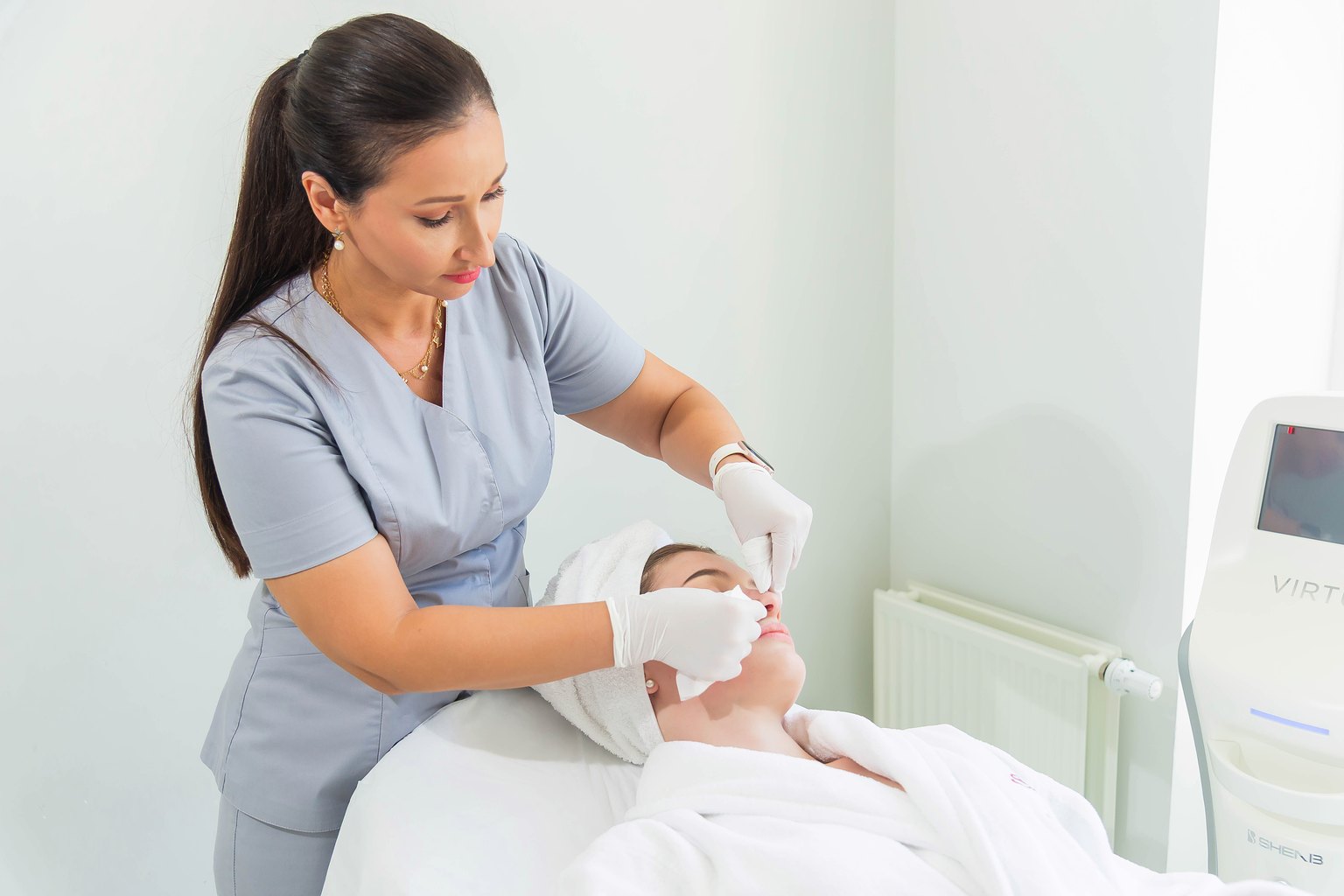
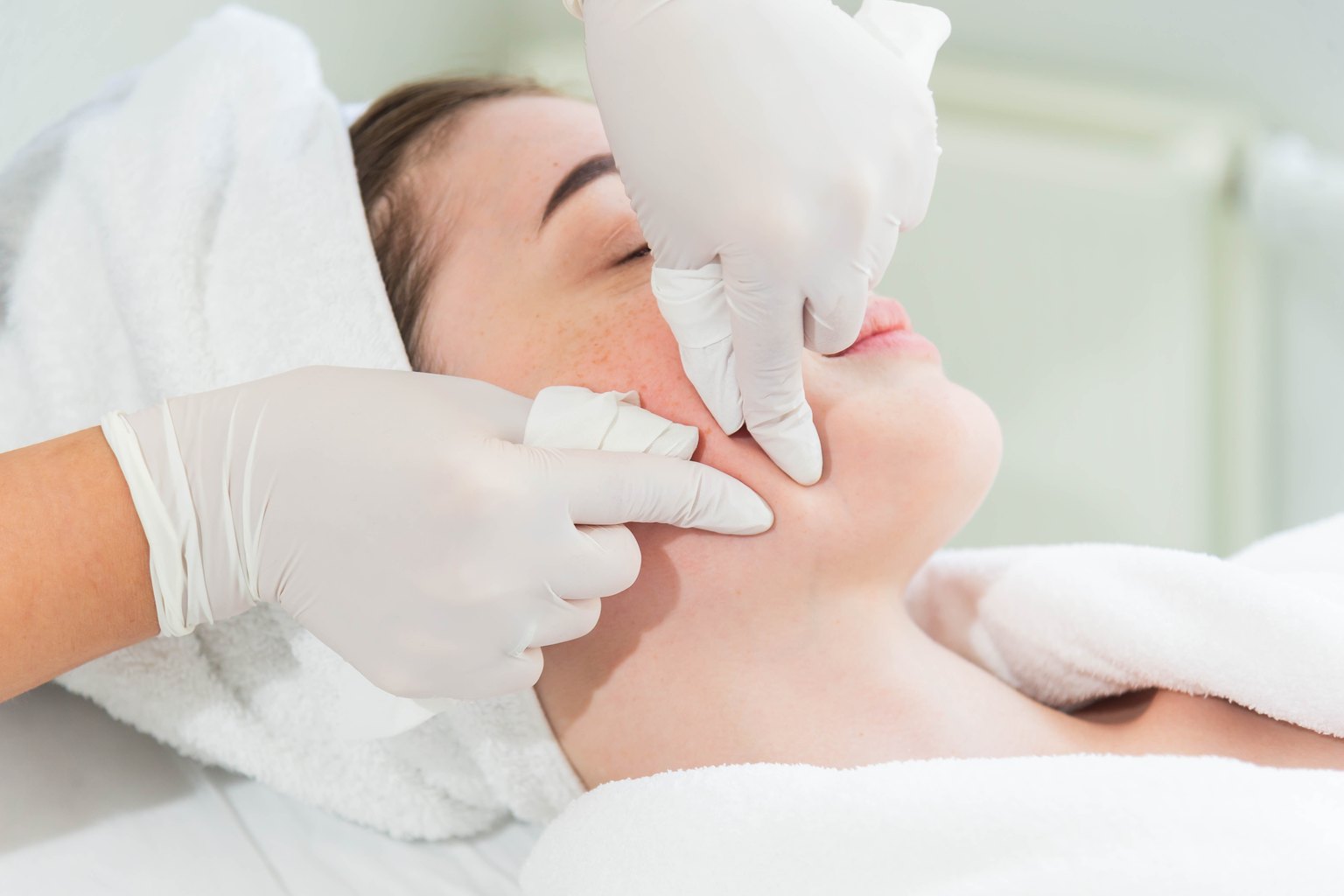
Third step. Actual removal — ultrasound, vacuum, or manual technique with cotton pads (without nails). In our practice at Sandler Wellness Center, we prefer device-assisted methods where possible, as they are less traumatic to the vascular wall.
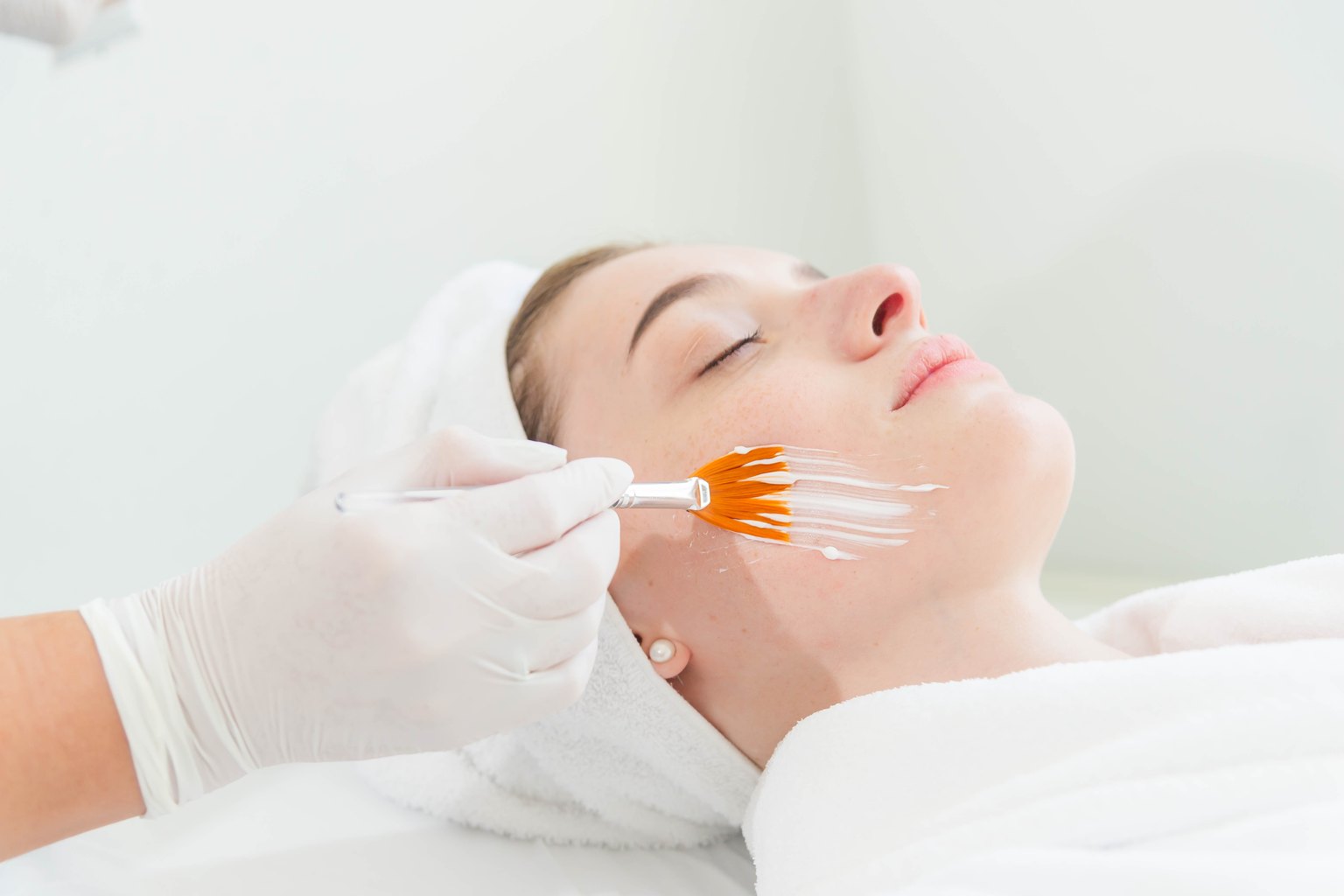
Fourth step. Soothing and restoring the barrier — masks with panthenol, allantoin, centella, moisturizing serums. The skin after pore opening is temporarily more vulnerable, and this step is no less important than cleansing.
Another myth I constantly debunk: "after cleansing, the pores will expand." Pores do not have muscles that open and close them like doors. Their diameter depends on the volume of contents and the tone of the surrounding skin. After a properly performed hygienic cleansing with a toning finish, the pores appear smaller — because they are empty and constricted by a cold compress or an appropriate product.
Indications, Protocols, and Optimal Frequency of the Procedure
Who needs hygienic facial cleansing regularly:
First of all, oily and combination skin. Sebocytes in people with oily skin produce 60-80% more triglycerides than in normal skin (according to the Journal of Lipid Research, 2021). Without regular pore cleansing, this inevitably leads to comedones and, with the addition of Cutibacterium acnes, to inflammation.
A tendency to acne of the first and second degree is a direct indication. Acne of the third and fourth degree is no longer an indication for standard cleansing; a medical treatment protocol is required.
Preparation for injection procedures or laser treatment is also an indication that is often overlooked. Clean skin without surface impurities responds better to biorevitalization, and the risk of infection after punctures is lower.
Checklist: signs that you need cleansing soon
- Dull uneven skin tone even after moisturizing
- Visible enlarged pores on the wings of the nose and chin
- Regular single inflammations without obvious reasons
- Feeling of a "film" on the skin even after washing
- The last cleansing was more than 3 months ago (or never)
- Frequent use of foundation products
How often to perform the procedure:
This depends on the skin type. Oily — once every 4-6 weeks. Normal and combination — once every 6-8 weeks. Dry and sensitive — once every 8-12 weeks, focusing on gentle cleansing without aggressive acids.
What the patient feels during the procedure at Sandler Wellness Center:
The ultrasonic part — almost nothing, a slight warmth. If there is manual squeezing of closed comedones — minor discomfort, but not pain. The total duration of the session is 60-90 minutes. Immediately after the procedure, the skin may be slightly pink, which passes within 2-4 hours. Makeup the next day.
→ See also: Ultrasonic Facial Cleansing in Kyiv: Price, Benefits & What to Expect at Sandler
Results and Scientific Evidence: What Really Happens to the Skin
I understand the skepticism. "Why pay if you can squeeze at home?" Therefore, I explain the mechanisms.
After one properly performed hygienic cleansing with acid pre-peeling and ultrasound, the following occurs. Firstly, the density of Cutibacterium acnes colonization — a conditionally pathogenic bacterium that causes acne — decreases. A study in Dermatology and Therapy (2023) showed a 34% reduction in bacterial load 48 hours after deep cleansing with 2% salicylic acid. Secondly, transcutaneous absorption of subsequent products improves by 40-60% — this means that your home retinol or niacinamide works significantly more effectively after cleansing (International Journal of Cosmetic Science, 2022).
Thirdly, and this is important for patients aged 35+: the removal of keratin plugs stimulates local renewal of basal layer cells. A slight inflammatory response after the procedure (the same "flush") activates the synthesis of new keratinocytes and, indirectly, fibroblasts.
What you can really see and when:
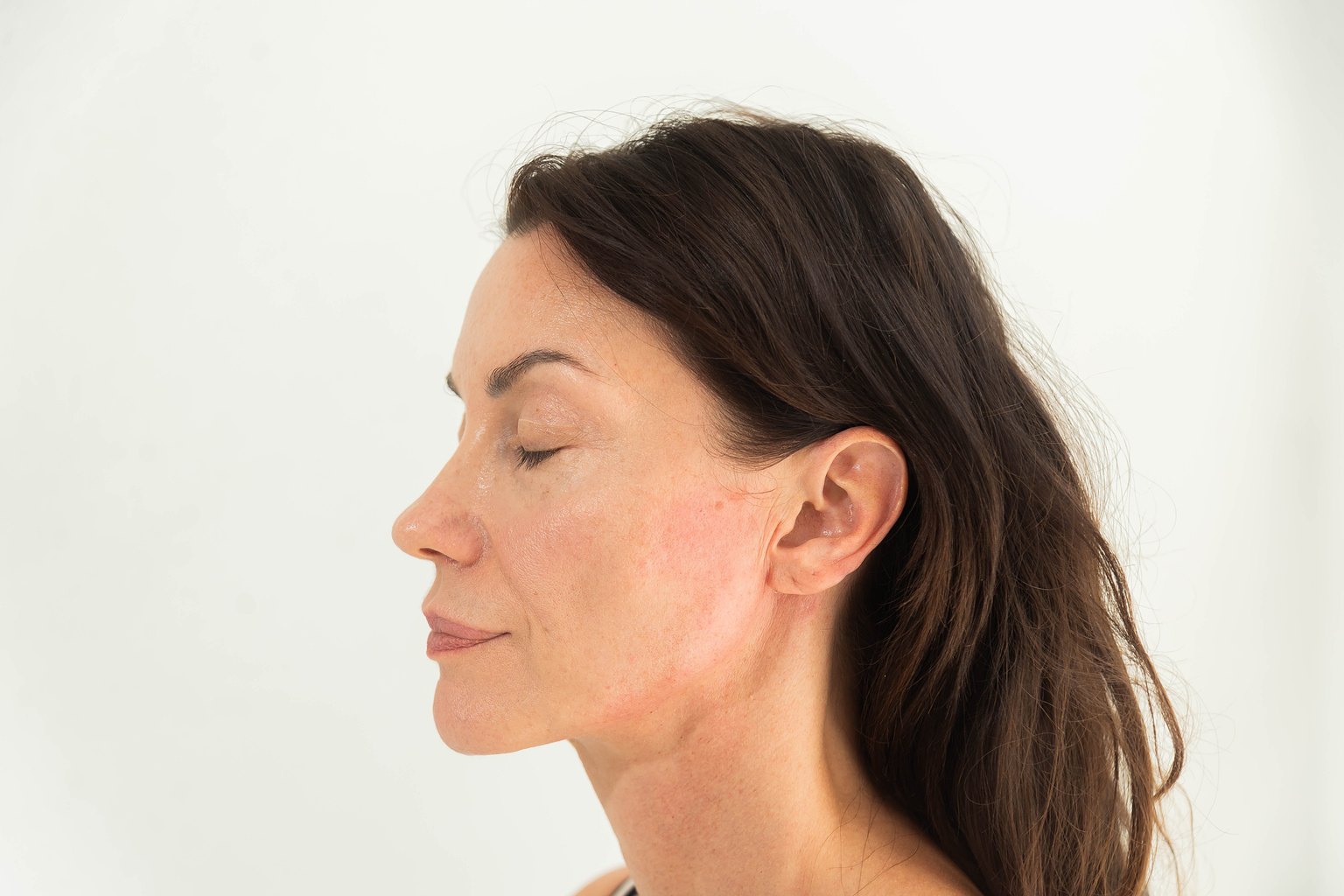
A more even tone — immediately after the hyperemia subsides (within 24-48 hours). Less noticeable enlarged pores — within 5-7 days, when the skin adapts. A reduction in the number of comedones — within 2-3 weeks of regular home care after the procedure. The effect accumulates: patients who come regularly 4-6 times a year have noticeably better pore condition and tone compared to those who do a "one-off" cleansing before some event.
In our practice at Sandler Wellness Center, we observe the best results in patients who combine regular hygienic cleansing with a home protocol based on retinoids or niacinamide.
Contraindications and Safety: What Is Important to Know Before Scheduling
After isotretinoin (Roaccutane), cleansing is not recommended for at least 6 months — the skin is extremely thin, and any mechanical influence can provoke scarring. I have seen this in practice: a patient came two months after a course of isotretinoin "because the skin is already normal," and even gentle ultrasound left micro-irritation that took 3 weeks to heal.
Pregnancy is not an absolute contraindication for basic hygienic cleansing, but it is advisable to avoid acid pre-peelings in the first trimester. In the second and third trimesters — provided there are no skin pathologies — gentle ultrasonic cleansing is permissible.
Telangiectasias (vascular networks) and couperose skin are relative contraindications for aggressive mechanical cleansing. In this case, I recommend device-assisted methods with minimal pressure.
An important safety detail: always inform the cosmetologist about all medications you are taking. Anticoagulants, certain antibiotics, retinoids — all of these affect the state of the skin and the reaction to the procedure.
Hygienic Facial Cleansing at Sandler Wellness Center, Kyiv: Price and Appointment
Sandler Wellness Center is located at 23 Kniaziv Ostrozky St, Kyiv. This is not just a beauty salon — it is a medical wellness center where hygienic cleansing is performed by certified cosmetologists with medical education, with skin diagnostics before the procedure.
Cost of hygienic facial cleansing:
| Brand / Protocol | Price |
|---|---|
| Hygienic facial cleansing ForLLe'd (Japan) | 5,000 UAH |
| Hygienic facial cleansing Thalgo (France) with a mask according to skin type | 3,500 UAH |
Both protocols include diagnostics, a preparatory stage, cleansing, and a restorative finish. The difference lies in the composition of the products and focuses: ForLLe'd works at the cellular level with Japanese bioactive components, while Thalgo is marine cosmetology with minerals and polysaccharides from algae.
If you are interested in combining hygienic cleansing with other procedures (for example, HydraFacial Classic for 4,750 UAH or PRX-T33 for 5,000 UAH), this can be discussed during the consultation — some combinations are performed in one session and provide a synergistic effect.
You can schedule an appointment through the website sandler.com.ua or by contacting the center administrator at 23 Kniaziv Ostrozky St, Kyiv.
Prices may change — please check the current cost with the administrator or on sandler.com.ua.
→ See also: Spanish facial massage: technique, mechanism of action, and real results
Frequently Asked Questions About Hygienic Facial Cleansing
Q: How often should hygienic facial cleansing be done?
A: The optimal frequency depends on skin type: oily and prone to comedones — once every 4-6 weeks, normal and combination — once every 6-8 weeks, dry and sensitive — once every 8-12 weeks. A consultation with a cosmetologist after assessing the condition of the pores and the level of sebum production will help determine the exact interval. Too frequent procedures destroy the skin barrier and may increase oiliness.
Q: Is hygienic facial cleansing painful?
A: With device-assisted methods (ultrasonic spatula, vacuum), discomfort is minimal — a slight warmth and vibration. If the protocol includes manual squeezing of closed comedones in the nose or chin area — minor discomfort may occur in those areas, but not sharp pain. If you feel severe pain — this is a signal that the technique is incorrect or there are contraindications.
Q: What should not be done after hygienic facial cleansing?
A: For 24-48 hours after the procedure, it is advisable to avoid: direct sunlight without SPF protection, saunas and steam rooms, intense physical exertion with profuse sweating, decorative cosmetics (at least 12 hours), active products with retinol or AHA acids in high concentrations. The skin is more permeable and reactive during this time — this is both an advantage (better absorption of restorative products) and a risk if care is not taken properly.
Q: Is hygienic cleansing suitable for sensitive skin?
A: Yes, but with an adapted protocol. For sensitive skin, aggressive acid pre-peelings and mechanical squeezing are excluded, focusing on enzymatic cleansing and low-intensity ultrasound. It is important to inform the cosmetologist about the skin's reactivity before starting the procedure. At Sandler Wellness Center, the protocol is individually adapted after a preliminary assessment of the skin condition.
Q: Can facial cleansing be done with acne?
A: It depends on the degree. For first and second degree acne (open and closed comedones, single inflammations), hygienic cleansing is indicated and helps reduce bacterial load. For third and fourth degree acne (nodular, cystic acne), standard cleansing is contraindicated — a medical treatment protocol is needed with the appointment of systemic or local therapy by a dermatologist.
Q: How does hygienic cleansing differ from HydraFacial?
A: Hygienic cleansing is a basic procedure focused on removing pore contents. HydraFacial is a device system that simultaneously exfoliates, cleanses, and infuses serums using a vacuum flow. HydraFacial is more effective for hydration, evening out tone, and working with pigmentation. Hygienic cleansing is more effective for deep removal of sebaceous plugs in oily skin. Both procedures are available at Sandler Wellness Center.
Conclusion
Hygienic facial cleansing is not a luxury or a "salon tradition." It is a physiological necessity for urban skin that comes into contact with polluted air, cosmetics, and stress every day. The correctly selected frequency and protocol allow for maintaining pore condition, preventing inflammation, and significantly enhancing the effectiveness of any home care.
If you are unsure whether you need the procedure now, the simplest solution is to come for a consultation. At Sandler Wellness Center at 23 Kniaziv Ostrozky St, Kyiv, we will assess the condition of your skin, offer the optimal protocol, and answer all your questions without unnecessary sales.
Schedule an appointment through the website sandler.com.ua or directly with the administrator. Your skin responds to proper care faster than you think.