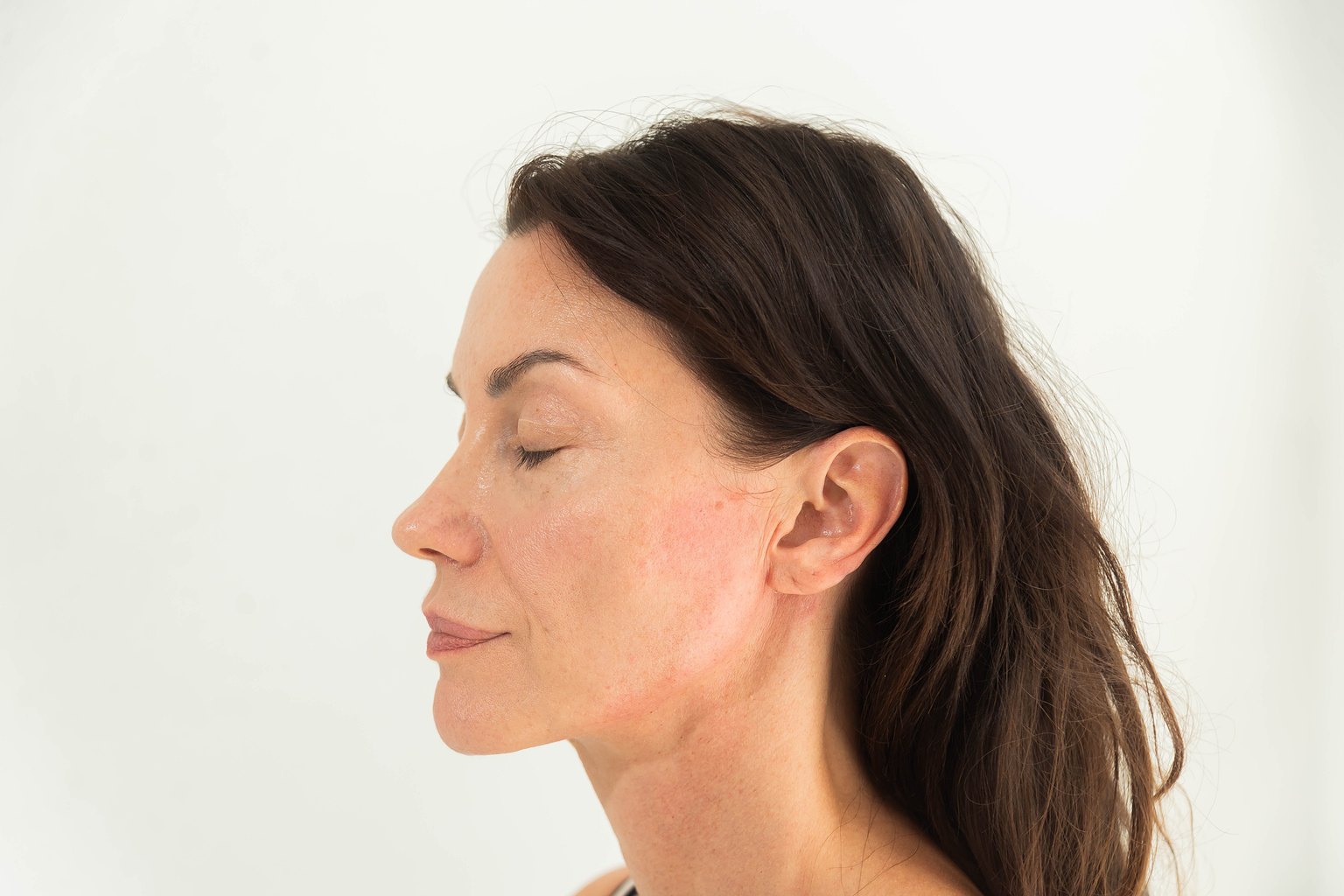
There is a question I hear in the office every week: "Why has my face changed even though I haven't gained weight?" The answer lies not in the skin, but deeper — in the muscles. After the age of 35, the muscle fibers of the face gradually lose tone and contractile ability. The skin above them sags, the contour blurs, and nasolabial folds appear that cannot be resolved by anything. This is not a cosmetic problem — it is a physiological process.
This is where DMK muscle banding begins — a procedure from the American DMK (Danne Montague King) system, which has become one of the most sought-after protocols for patients aged 35+ in our practice at Sandler Wellness Center. It does not "fill" wrinkles from the outside but works with the cause: it restores muscle tone, activates lymphatic drainage, and restructures the dermis through an enzymatic reaction.
The scientific foundation of the method is trans-epidermal transport of enzymes and the "plaster effect": the mask polymerizes on the skin, acts as a rigid matrix, and literally lifts the tissues during removal. This is not a massage and not electrical stimulation. This is a mechanical-enzymatic protocol with no direct analogs.
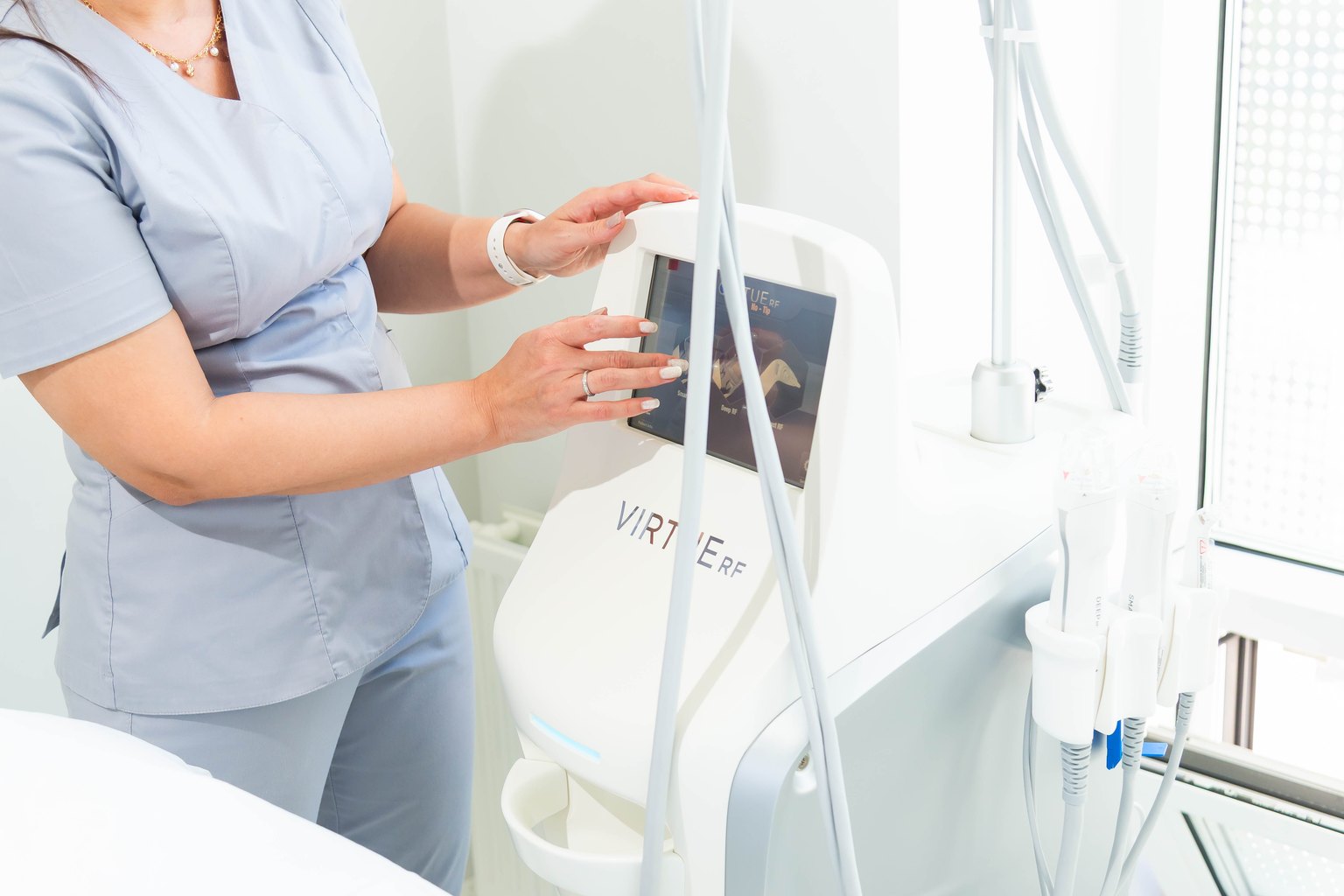
At Sandler Wellness Center (23 Kniaziv Ostrozky St, Kyiv), we apply DMK in conjunction with hardware methods and individual correction — depending on the initial state of the tissues. And it is the understanding of the mechanism that determines whether the patient will achieve results or disappointment.
What is DMK Muscle Banding: The Mechanism from Within
DMK (Danne Montague King) is an American system for skin function restoration founded in the 1960s by cosmetic chemist Danne Montague-King. The key idea is that the skin can self-repair if given the right "tools" at the cellular biochemical level.
Muscle Banding is the flagship procedure of the system. The name explains the essence: "banding" means "tightening," but not superficially, rather functionally.
What happens biochemically. The mask is composed of enzymes — trans-epidermal carriers that penetrate through the stratum corneum and reach the dermis and subcutaneous structures. The enzymes activate the plasmin reaction: blood vessels dilate, lymphatic drainage accelerates, and metabolic waste is removed from the tissues. This process is referred to by DMK as the "plasmatic effect" — visually, it appears as a characteristic pattern on the skin resembling tree-like vessels immediately after the mask is removed.
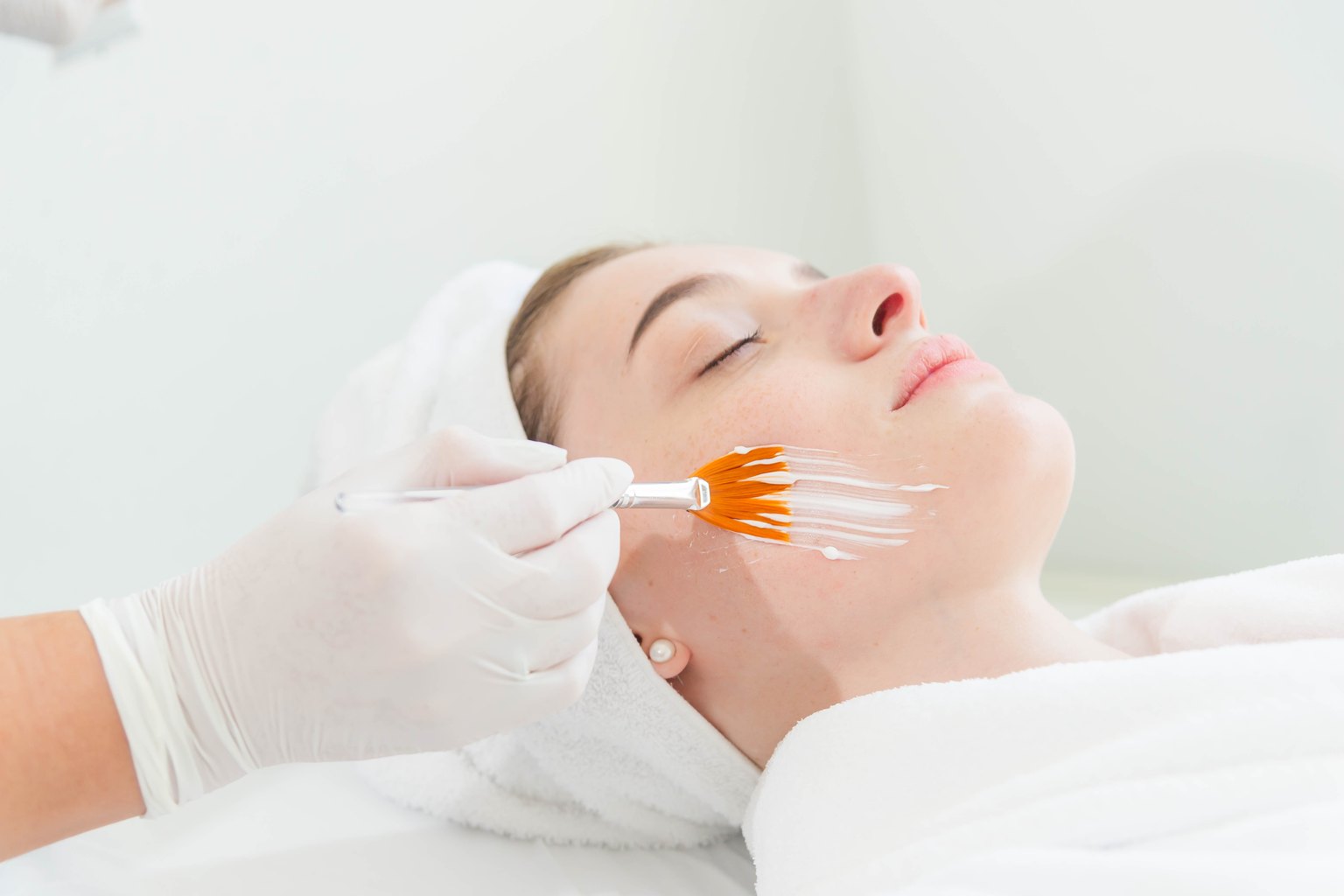
Simultaneously, a mechanical component occurs: the mask polymerizes and hardens directly on the skin, forming a rigid shape. When it is removed (in one piece), it literally "pulls" the muscle fascia along with it — like tape for a sports muscle. Hence the name.
Why after 35? Up to the age of 35, the skin still compensates for age-related changes due to sufficient levels of estrogen, collagen, and basal muscle tone. After 35, collagen levels decrease by approximately 1–1.5% per year (data from Aesthetic Surgery Journal, 2021, n=1204), and the facial muscles begin to function asymmetrically. This is the window for preventive intervention.
Another key component is the transdermal delivery of amino acids and peptides. The mask contains precursors to collagen and elastin, which are absorbed significantly more effectively under conditions of dilated blood vessels (plasmatic effect) than with regular cream application. This is not marketing: trans-epidermal delivery of enzymes is documented in the Journal of Controlled Release (Benson et al., 2019).
Indications, Protocols, and Dosage
Patients often ask: "Is this for those who have already sagged?" No. DMK muscle banding is effective in three scenarios.
Prevention (35–42 years). The first signs of ptosis, loss of contour clarity, nasolabial folds that "wake up" in the morning. Here, banding serves as supportive therapy — 4–6 procedures once a month.
Correction (42–55 years). Pronounced changes in contour, drooping corners of the mouth, jowls. A course of 6–8 procedures with intervals of 2–3 weeks is needed.
Support after invasive procedures. DMK pairs excellently with botulinum therapy, fillers, and hardware lifting. It accelerates rehabilitation and prolongs results.
Checklist: Who is Suitable for DMK Muscle Banding
- Age 35 and older with signs of soft tissue ptosis
- Loss of facial contour clarity
- Nasolabial folds, drooping corners of the mouth
- Puffiness, swelling in the morning
- Dullness, uneven skin tone
- Preparation or rehabilitation after injections
- Active acne (another DMK protocol is needed — acne treatment)
- Open wounds, herpes in the active phase
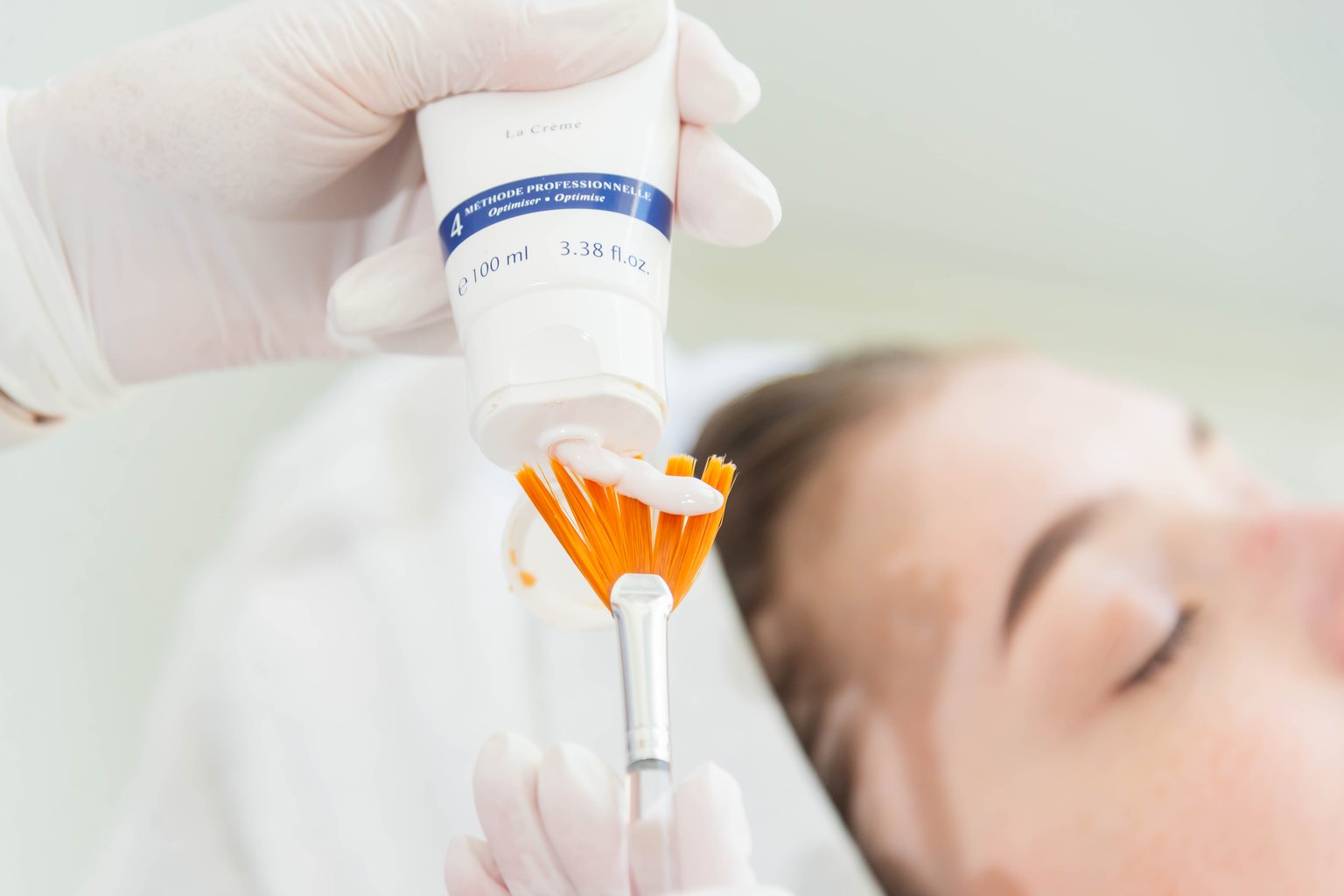
How the procedure goes. The entire session lasts 90–120 minutes. First — deep cleansing, enzymatic peeling (Revitoxi or Quick Clean product). Then, Enzyme Masque #1 or specialized variants are applied depending on the task. The mask hardens for 45 minutes — the patient lies still, which is part of the "banding." After removal — toner, serum, SPF.
What does the patient feel during the procedure? A sensation of tightening and warmth. Some people find the first 10 minutes uncomfortable — the mask literally "holds" the muscles in a non-physiological position. After removal, the skin appears pink, and the vascular pattern is visible for a few hours. By the end of the day, this subsides.
→ See also: Spanish facial massage: technique, mechanism of action, and real results
Results and Scientific Evidence
The honest answer: DMK muscle banding does not provide a "wow" after the first procedure. It is a systemic effort.
Most patients describe the first result as "the skin became firmer and clearer" after 2–3 sessions. The contour evens out, and puffiness decreases. The full effect of the course — after 6–8 procedures, and it lasts 3–6 months with a supportive regimen.
Regarding scientific data — DMK as a brand has not conducted large randomized studies, which is an understandable limitation. However, individual components of the protocol are well documented. Trans-epidermal enzymes as a means of activating lymphatic drainage are described in Dermatologic Surgery (2020). Mechanical lifting through polymerized masks has been studied in the context of post-procedure recovery in the Journal of Cosmetic Dermatology (Wu et al., 2022, n=312) — a significant increase in turgor was shown in 68% of participants after 6 weeks.
What to realistically expect:
After 1–2 procedures — improvement in texture, healthy color, reduction of puffiness. After 4–6 — visible lifting of tissues, clearer contour of the lower third. After a full course of 8 procedures — lifting comparable to a "light" hardware lift, but without a rehabilitation period.
I see this every week: patients who came in expecting "quick results" begin to notice after 3–4 sessions that those around them are asking, "What have you done to yourself?"
Contraindications and Safety
DMK muscle banding is one of the safest procedures in the hardware-chemical spectrum. However, there are situations when it should not be performed.
Relative limitations: rosacea in the stage of exacerbation (possible, but only after assessment), telangiectasias without inflammation (the effect of enhancing the vascular reaction may temporarily highlight them), increased pain sensitivity threshold — the mask tightens strongly, some patients experience discomfort at the level of 5–6/10.
Side effects are minimal and temporary: redness for 2–4 hours after the procedure (normal, this is the plasmatic effect), slight swelling in the first hours. Peeling may occur on the 2nd–3rd day after the first session if the skin has not received deep cleansing for a long time.
An important point is compatibility with parallel procedures. DMK banding is not performed on the same day as injection techniques. At least 2 weeks should pass between botulinum therapy or fillers and the DMK session.
Before the first procedure at Sandler Wellness Center, a consultation with a dermatologist-cosmetologist is conducted — this is a standard of our protocol, not an option.
Price and Appointment at Sandler Wellness Center, Kyiv
Sandler Wellness Center is located at 23 Kniaziv Ostrozky St, Kyiv. DMK muscle banding is included in the clinic's skincare cosmetology section.
Please check the cost of the procedure with the administrator. Banding is the most focused protocol for correcting muscle ptosis.
What is included in the cost: full DMK protocol (cleansing, enzymatic peeling, mask, post-procedure care), SPF protection.
It is recommended to plan a course of 6 procedures at once — this allows us to create an optimal schedule considering your timetable and the current state of your skin.
To make an appointment: sandler.com.ua or contact the center administrator.
→ See also: RF-Lifting Virtue: Microneedles Against Wrinkles After 35 — Sandler Wellness Center, Kyiv
Frequently Asked Questions (FAQ)
Q: How many DMK muscle banding procedures are needed to see results?
A: Most patients notice the first visible changes — improvement in texture and turgor — after 2–3 procedures. For stable contour correction and tissue lifting, a course of 6–8 sessions with intervals of 2–3 weeks is needed. The supportive regimen — 1 procedure every 4–6 weeks after the course.
Q: Can DMK banding and Botox be combined?
A: Yes, these methods complement each other well, but not on the same day. At least 2 weeks should pass between the administration of botulinum toxin or fillers and the DMK session. DMK accelerates recovery after injections and prolongs their effect by improving tissue quality.
Q: Is it painful? What do you feel during the procedure?
A: The procedure is not painful, but it is noticeable. The mask hardens and tightens the tissues — some patients describe it as a "tight embrace." Discomfort is usually at the level of 3–5/10, decreasing from session to session. After the mask is removed, the skin is pink and warm, and the vascular pattern (plasmatic effect) disappears within a few hours.
Q: Is there a rehabilitation period after DMK muscle banding?
A: There is no significant rehabilitation time. Active sun exposure and gym workouts are not recommended for the first day after the procedure. Light peeling may occur on the 2nd–3rd day. Makeup can be applied the following morning. This is one of the main advantages of the method compared to laser procedures.
Q: What age is DMK banding suitable for?
A: The procedure is effective starting from 30–35 years — this is when its preventive potential is maximized. There is no upper age limit: patients aged 55–65 also achieve visible results, although the course may be longer. Younger patients (under 30) are more often prescribed DMK in acne treatment protocols rather than banding.
Q: How does DMK muscle banding differ from a regular mask or hardware lifting?
A: From a cosmetic mask — fundamentally: DMK acts at the level of blood vessels, lymphatics, and muscle fascia through an enzymatic reaction, rather than just moisturizing the surface. From hardware lifting (HIFU, RF) — it differs by the absence of thermal damage and rehabilitation time. Hardware methods stimulate collagen production deeper, so they are often combined with DMK to enhance the effect.
Conclusion
DMK muscle banding is not "just another mask." It is a protocol with a specific biochemical logic: enzymatic transport, vascular reaction, mechanical lifting of tissues. After 35, when soft tissue ptosis becomes a reality rather than a prospect, such an approach allows us to work with the cause rather than mask the consequences.
At Sandler Wellness Center, we apply DMK within individual protocols, combining it with injection cosmetology, hardware methods, or as a standalone course. The first consultation with a dermatologist-cosmetologist allows us to determine which option is best for your skin.
Appointments and details — at sandler.com.ua or by phone at Sandler Wellness Center. We are located at 23 Kniaziv Ostrozky St, Kyiv — a convenient location in the city center, near Arsenalna metro station.
The result you want to see is already embedded in the physiology of your skin. All we need to do is initiate the necessary reaction.