Patients often ask me during appointments: "Larisa, why do I need this spa procedure if I get a pedicure every month?" The question is understandable. However, the difference between the two formats is fundamental, and I will explain it not with marketing terms, but through the specific physiology of the skin on the feet.
The skin on the soles endures 10-25 times more mechanical stress than the skin on the face (according to the Journal of Dermatological Science, 2022, n=1,240). The stratum corneum here is 4-5 times thicker. Therefore, a classic pedicure — removing excess skin, shaping the nails, applying polish — is often insufficient for maintaining normal skin condition. This is especially true if you walk a lot, wear closed shoes, or have a tendency toward dryness.
Spa care for feet is a systematic restorative procedure: hydration, nourishment, muscle and vessel relaxation, and peeling in combination. It is not a replacement for a pedicure, but a complement to it. And this is the key idea.
At Sandler Wellness Center (23 Kniaziv Ostrozky St, Kyiv), we combine both approaches in one visit when needed by the client. Below is an honest explanation of what each procedure does to your skin, who and when should choose what, and what to pay attention to before booking.
What is a Pedicure: Mechanics and Limits
A pedicure is a basic protocol for caring for nails and the skin of the feet. The goal is narrow and specific: to remove hyperkeratosis (excessive keratinization), shape the nails, and treat the cuticle.
Hygienic pedicure (or hardware) mechanically cuts or grinds the keratinized layer. This is effective. However, the skin after such treatment is exposed, slightly stressed, and without proper hydration, it compensatorily produces even more keratinized layer within just 2-3 weeks. This explains why "calluses return" — not because the pedicure is bad, but because mechanical removal without subsequent restoration triggers reactive hyperkeratosis.
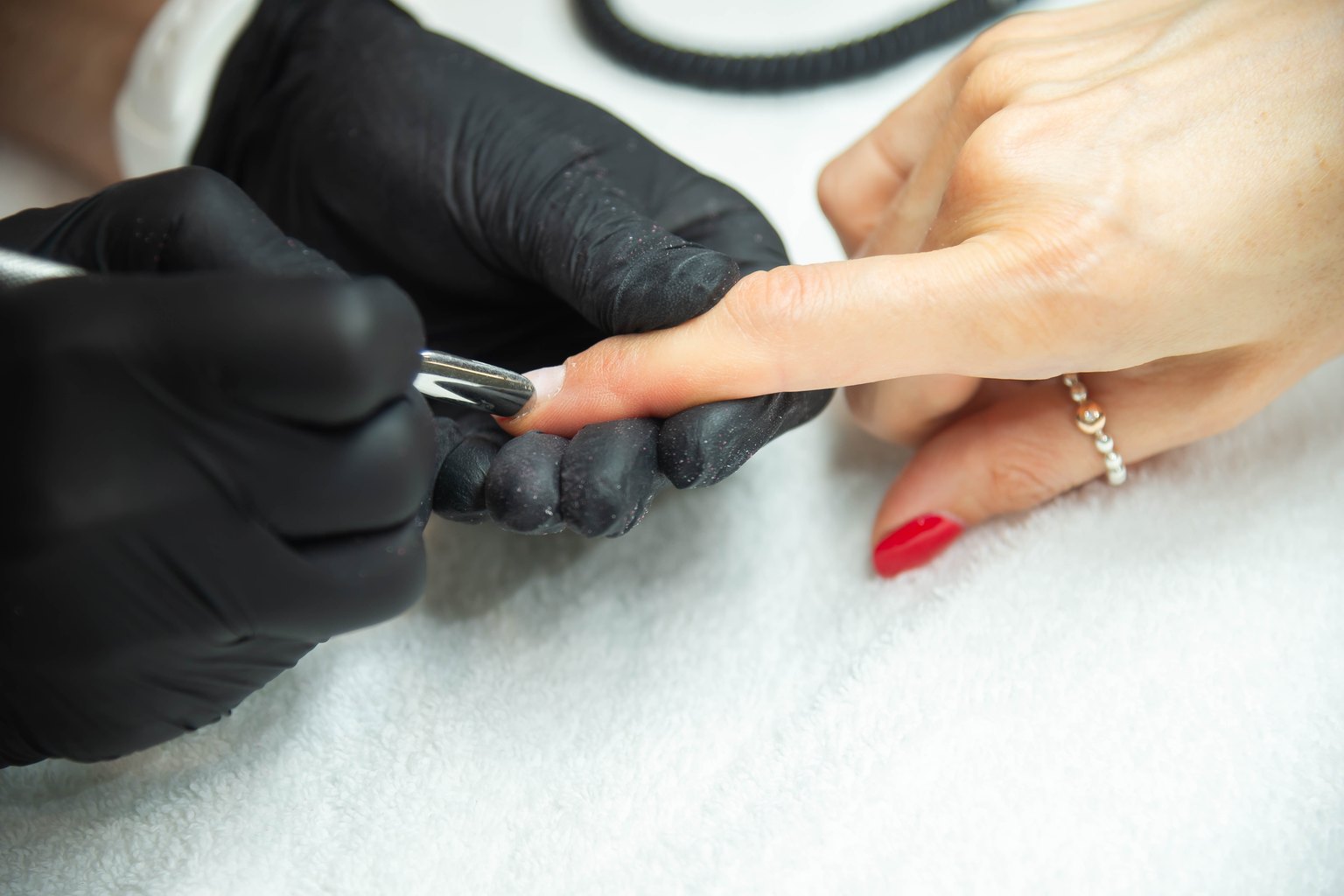
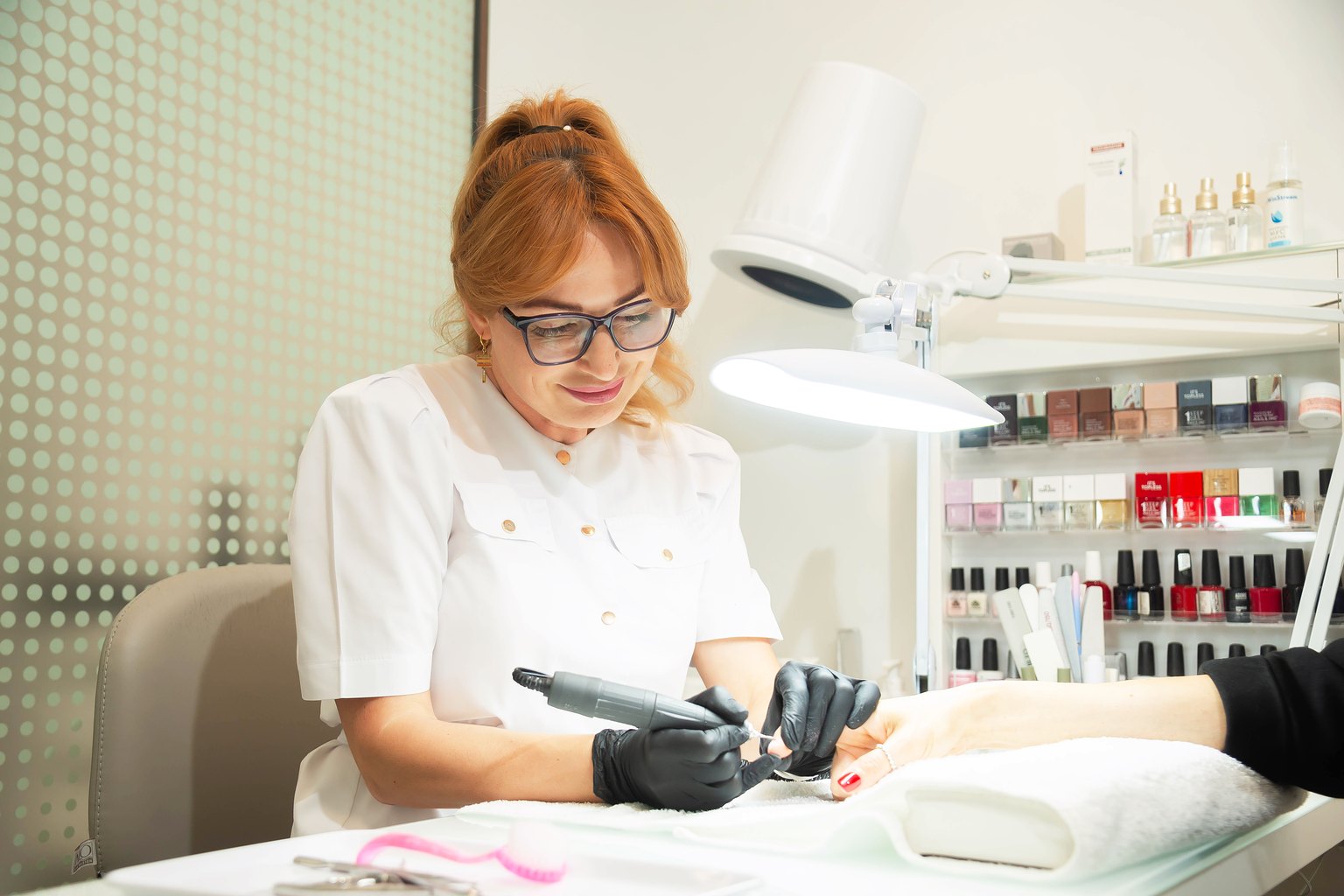
The hardware pedicure at Sandler Wellness Center differs from "regular" ones in that the master controls the depth of treatment on the milling machine, minimizing micro-traumatization. However, even the best hardware pedicure remains in its niche: preparation and correction.
What a pedicure does well:
- Removes calluses and keratinized areas
- Shapes the nail cut correctly (prevention of ingrowth)
- Treats the cuticle
- Prepares the nail plate for coating
What a pedicure does not do: does not restore the barrier function of the skin, does not stimulate microcirculation, does not relieve muscle fatigue, does not nourish the skin deeply.
How Spa Care for Feet Works: Physiology of the Procedure
Spa care for feet is a comprehensive impact on the skin, subcutaneous tissues, and vessels. The procedure consists of several sequential stages, each with a specific biochemical mechanism.
Warm foot bath or soaking. Hydrothermal exposure (water at 37-42°C, 10-15 minutes) increases the permeability of the stratum corneum by 3-4 times (data from the International Journal of Pharmaceutics, 2021). This is critical: the active components of any cream or mask penetrate the skin not by 3%, but by 15-20% after proper softening. Without this step, most care remains on the surface.
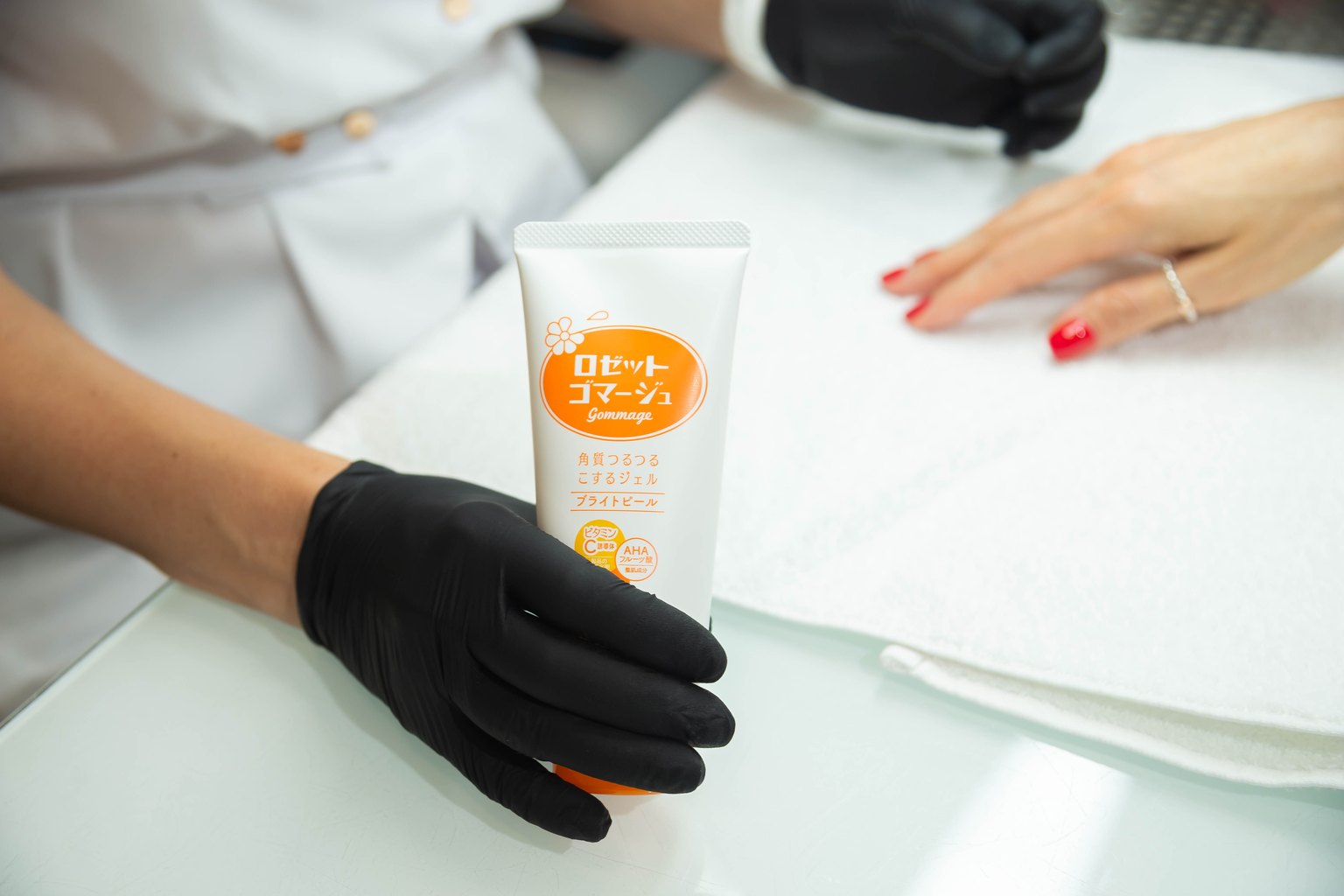
Enzymatic or mechanical peeling. An enzymatic or acid peel is applied to the softened skin. It gently dissolves the bonds between dead cells without mechanical pressure. This is a milder option than a milling tool and is well-suited for sensitive or thin skin.
Nourishing mask or wrap. After peeling, the open skin receptors maximally absorb active components: glycerin, urea (10-15%), hyaluronic acid, shea or jojoba oils. Urea at a concentration of 10% is one of the most effective moisturizers for hyperkeratosis, as confirmed by a meta-analysis in the Journal of Clinical Investigation, 2023 (n=847): regular use of 10% urea reduces the severity of hyperkeratosis by 41% over 4 weeks.
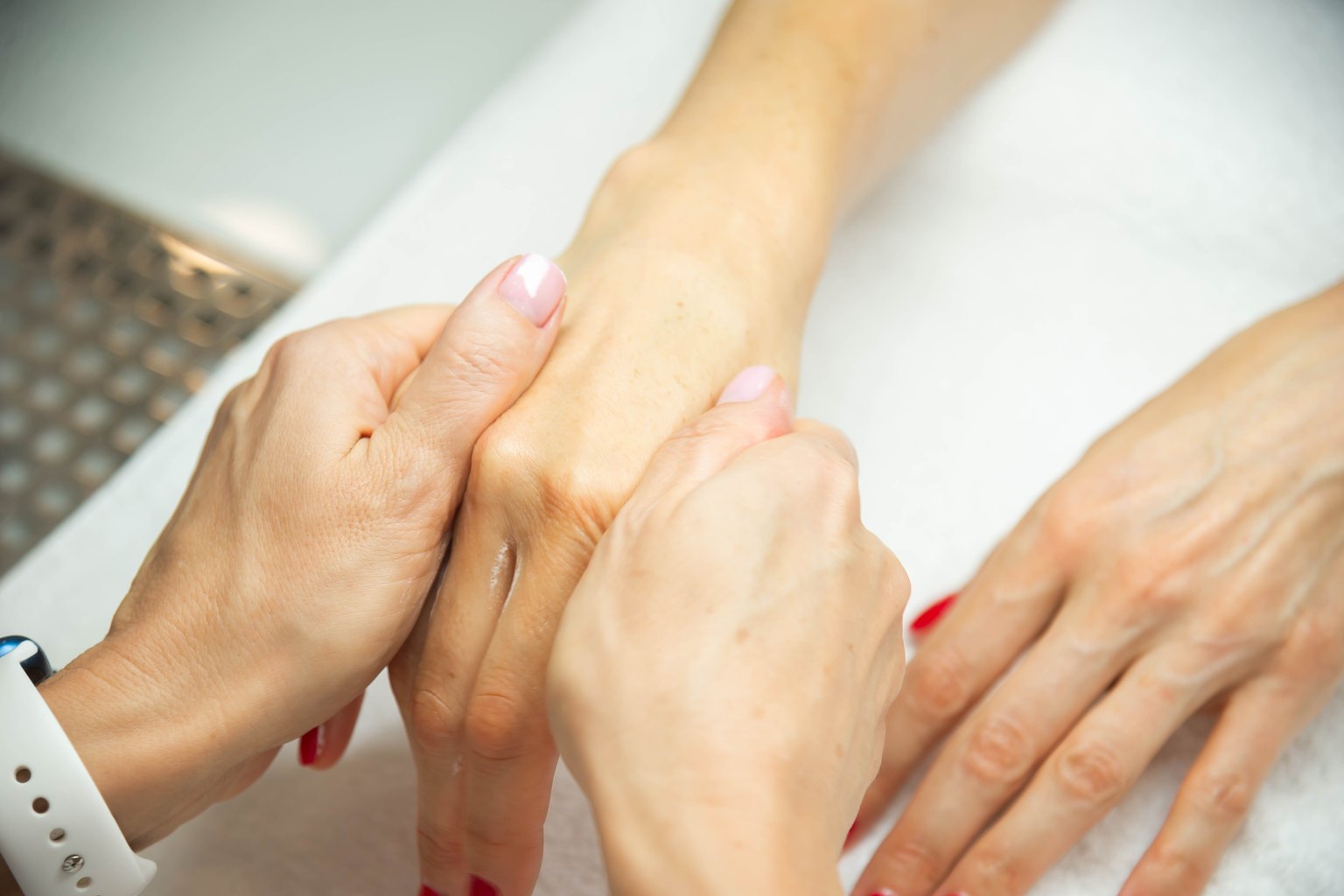
Foot and calf massage. This is not a "pleasant option," but a therapeutic component. Massage stimulates venous outflow and lymphatic drainage, reduces swelling in the calves (especially relevant for people who stand on their feet for long periods). A study in the Phlebology Journal, 2020, showed that a 20-minute foot massage reduces the subjective feeling of leg heaviness by 58% immediately after the procedure.
Final moisturizing cream or oil. Applying an occlusive agent (petrolatum, oil) over the moisturizer "seals" water in the skin.
At Sandler Wellness Center, spa care for feet is conducted considering the skin type and nail condition — not by a single "for all" protocol.
→ See also: Hand Spa Treatment at Sandler Wellness Center: A Procedure You Haven't Tried Yet
Indications: Who Should Choose What and When
Here is where most people make a mistake: they choose between a pedicure and spa, while the right question is — "when do I need one, when the other, and when both?"
Classic pedicure is suitable for you if:
- There are pronounced calluses or ingrown toenails
- The last pedicure was over 5-6 weeks ago
- Gel polish or other material coverage is needed
- There is no severe skin dryness
- The skin is in satisfactory condition
Spa care is suitable for you if:
- Chronic dryness and cracks in the heels without pronounced hyperkeratosis
- Fatigue, swelling of the legs at the end of the day
- Preparation for the summer season or after it
- Recovery after prolonged wearing of closed shoes
- Just want a "reboot" and relaxation
Combination of pedicure + spa is optimal for most clients who come with real skin problems on their feet. First, hardware treatment, then a moisturizing-nourishing protocol.
I see this weekly: clients who only get pedicures return with the same calluses after 3-4 weeks. Clients who have added spa care at least once a month notice that their skin remains softer for 2-3 weeks longer between procedures.
Results and Scientific Evidence: What Really Happens to the Skin
The effects of a pedicure are visible immediately and last for 3-6 weeks depending on the load on the feet. Calluses return, and the rate of regeneration of the stratum corneum is individual.
Spa care provides a different type of result: not "removed the excess," but "restored the barrier." This means that the skin stays soft longer, reacts less to build up keratin, and cracks in the heels appear less frequently.
According to a study in Dermatology Research and Practice, 2022 (n=312), patients who combined mechanical pedicure with moisturizing spa procedures once a month showed 63% fewer recurrences of painful heel cracks compared to those who only had pedicures.
A noticeable result after one spa session: the skin is softer, and the feeling of lightness in the legs lasts for 2-3 days. A lasting cosmetic effect is formed after 3-4 regular procedures with intervals of 3-4 weeks.
Massage within the spa care gives a quick vascular effect: redness of the skin (erythema) after the procedure is a normal reaction indicating enhanced microcirculation. It subsides within 20-40 minutes.
Contraindications and Safety
Pedicure and spa care for feet are safe procedures for most people. However, there are situations where caution or consultation with a podiatrist is needed.
In diabetes: pedicure and spa are possible, but only in hardware format in the hands of an experienced podiatrist, without sharp instruments and hot baths. Neuropathy reduces sensitivity, and even a minor injury can have serious consequences.
In varicose veins: thermal baths should be coordinated with a phlebologist. Massage in varicose disease is performed only with lymphatic drainage techniques, without deep pressure on the veins.
Pregnancy: most spa procedures for feet are safe, but acid peels with concentrations above 10% are better postponed.
Skin hypersensitivity: before applying any active components (enzymes, acids, essential oils), the master should conduct a patch test or clarify the allergy history.
At Sandler Wellness Center, there is a podiatrist to whom we refer clients with medical indications — ingrown toenail, onycholysis, core calluses. This is not cosmetic but medical work.
→ See also: Men's Manicure in Kyiv: Why It's Necessary and What the Procedure Actually Includes
Price and Booking at Sandler Wellness Center, Kyiv
At Sandler Wellness Center (23 Kniaziv Ostrozky St, Kyiv), nail services include the full range: from basic hygienic procedures to restorative spa care.
| Service | Duration | Price |
|---|---|---|
| Hygienic pedicure | 120 min | 1,800 UAH |
| Pedicure using a device | 120 min | 2,800 UAH |
| Combined pedicure | 120 min | 2,500 UAH |
| Hygienic men's pedicure | 120 min | 2,300 UAH |
| SPA care for feet | 15 min | 1,200 UAH |
SPA care for feet can be combined with any type of pedicure — ask the administrator how to create the optimal combination for your skin condition.
If there are medical indications (onychomycosis, ingrown toenail, core calluses), I first recommend booking a consultation with a podiatrist — 750 UAH, 30 minutes. Medical hardware pedicure costs 3,000 UAH and includes a protocol that differs from cosmetic procedures.
Book through the website sandler.com.ua or by phone. Sandler Wellness Center is open daily — check available slots with the administrator.
Prices may change — please confirm the current cost with the administrator or on sandler.com.ua.
Frequently Asked Questions (FAQ)
Q: How does spa care for feet differ from a pedicure?
A: A pedicure is mechanical treatment: removal of calluses, shaping nails, treating the cuticle. Spa care for feet is a restorative procedure: warm foot bath, peeling, nourishing mask, massage. A pedicure addresses the problem, while spa restores the skin and prevents its return. It is optimal to combine both formats in one visit or alternate them.
Q: How often should spa care for feet be done?
A: For a maintenance effect — once every 3-4 weeks, together with a pedicure or between pedicure sessions. In cases of chronic dryness and heel cracks, it is better to do spa weekly for the first 1-2 months, then switch to a maintenance mode. Regularity is more important than frequency: once a month for 3 months will yield better results than 3 times in a row followed by a pause.
Q: Does spa care help with heel cracks?
A: Yes, but the mechanism is indirect. Spa procedure hydrates the stratum corneum, reduces its brittleness, and restores the barrier function of the skin. This decreases the risk of cracks forming. Existing deep cracks require additional treatment — a podiatrist may recommend products with 20-40% urea or special patches. In diabetic foot, cracks are treated only under medical supervision.
Q: How long does spa care for feet take?
A: The spa care for feet at Sandler Wellness Center takes 15 minutes — this is a concentrated format with key steps. If you combine it with a full pedicure (120 minutes), the total session time will be about 2.5 hours. Confirm the duration when booking depending on the combination of services you choose.
Q: Can spa care be done during pregnancy?
A: Most components of spa care for feet are safe during pregnancy. Avoid hot baths above 38°C and essential oils in the first trimester. Foot massage during pregnancy is generally safe, but some reflex points on the foot are traditionally excluded from treatment. Check for any contraindications with your obstetrician before booking and be sure to inform the master about your pregnancy term.
Q: Pedicure or spa — which should be done first?
A: Always start with a pedicure, then spa care. A pedicure removes the keratinized layer and prepares the skin. After mechanical treatment, the active components of spa masks penetrate deeper — the effect of hydration and nourishment is significantly higher than if spa is done on untreated skin. That is why at Sandler Wellness Center, we recommend combining them in one session.
Conclusion
Pedicure and spa care for feet are not competitors. A pedicure solves a mechanical task: to remove excess, shape. Spa restores the skin from within: hydrates, nourishes, relieves fatigue, improves microcirculation.
If your goal is just to look neat for a specific event, a pedicure will suffice. If you want your foot skin to remain soft between sessions, prevent cracks from returning, and avoid "heavy" legs in the evening — spa care is needed as a regular part of your ritual, not a one-time procedure.
At Sandler Wellness Center (23 Kniaziv Ostrozky St, Kyiv), we tailor the protocol individually: depending on the skin condition, type of load, and your goals. Not a "package for everyone," but a specific solution for your situation.
Book online at sandler.com.ua — or call the administrators. The first step to healthy and beautiful feet takes just one minute.