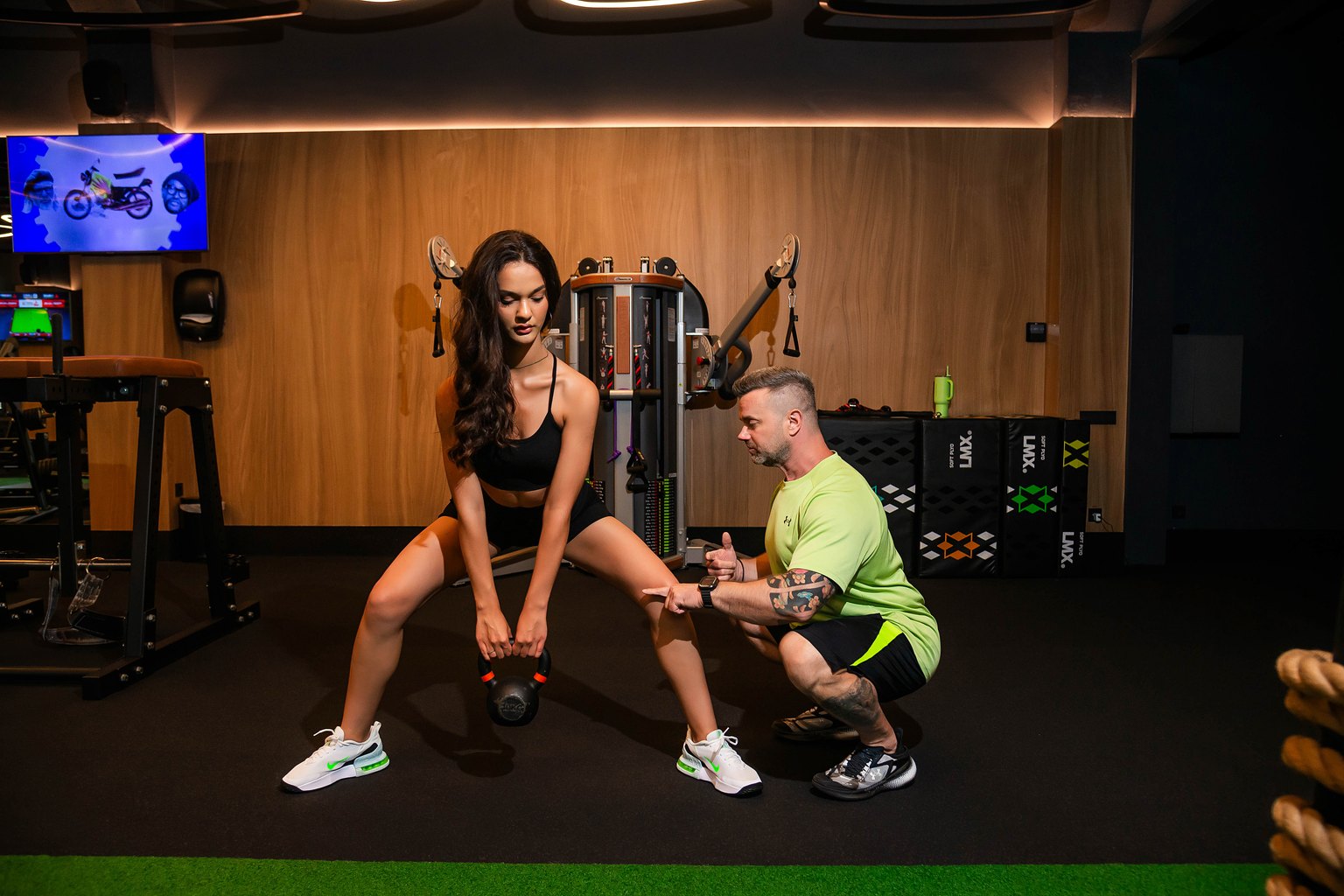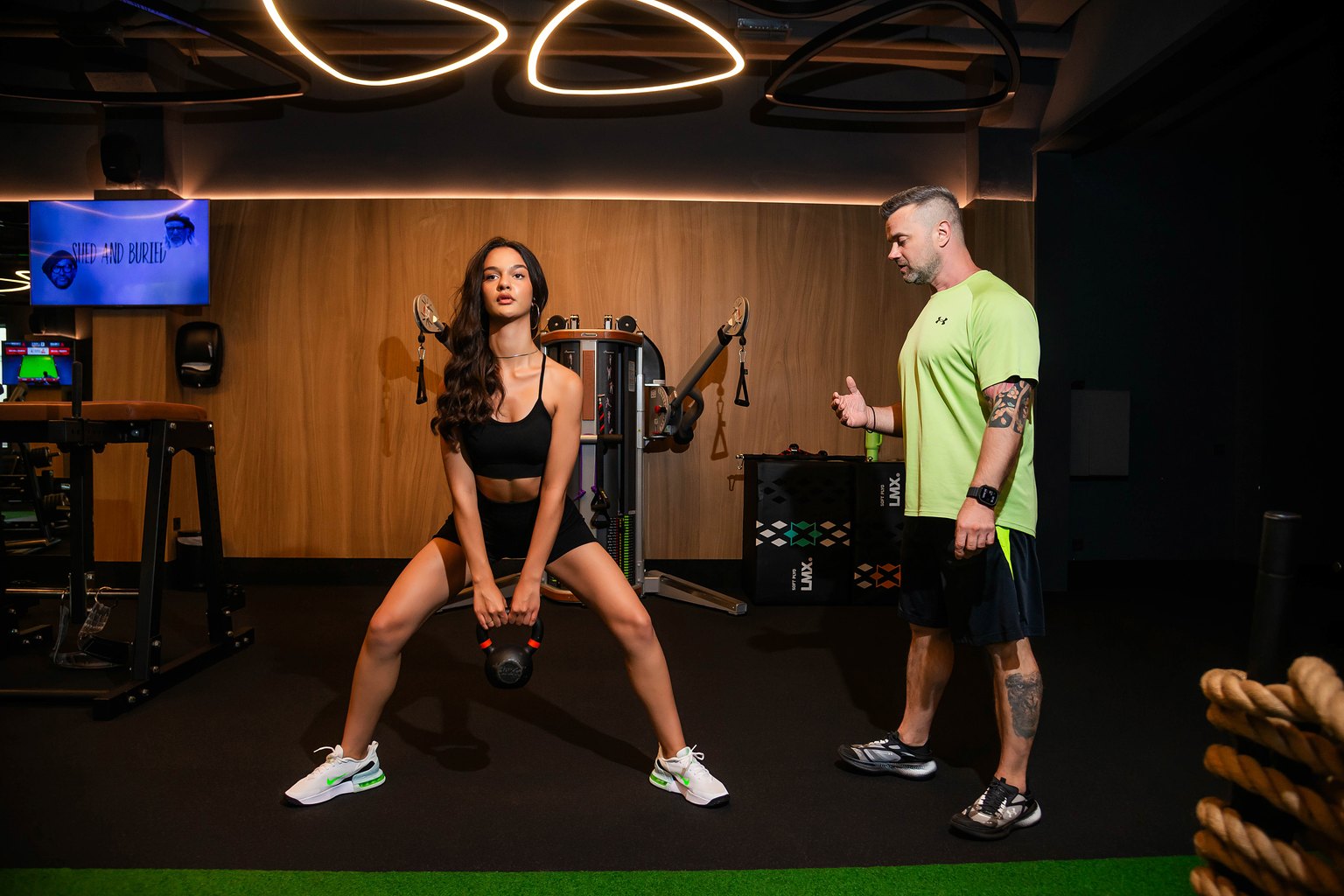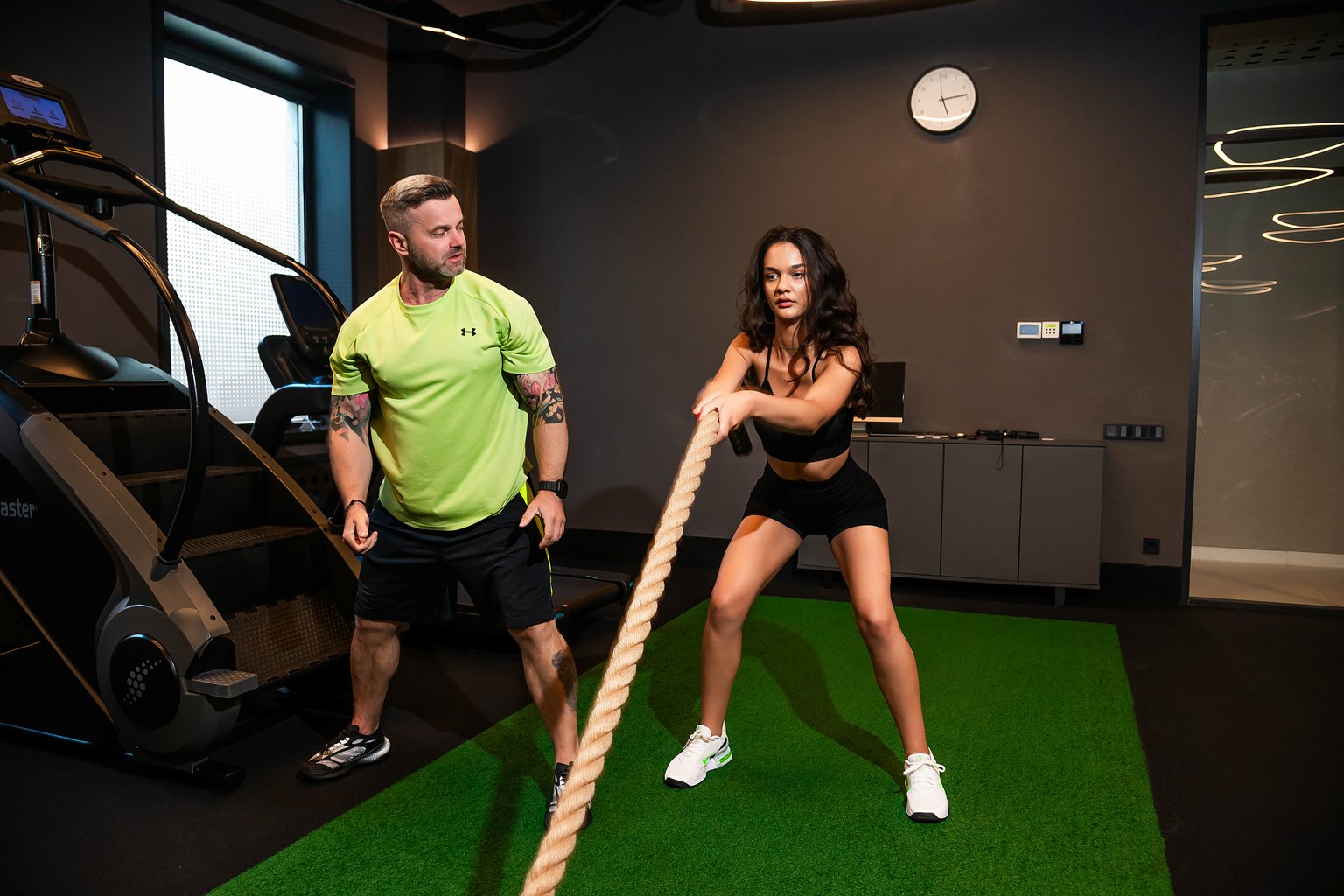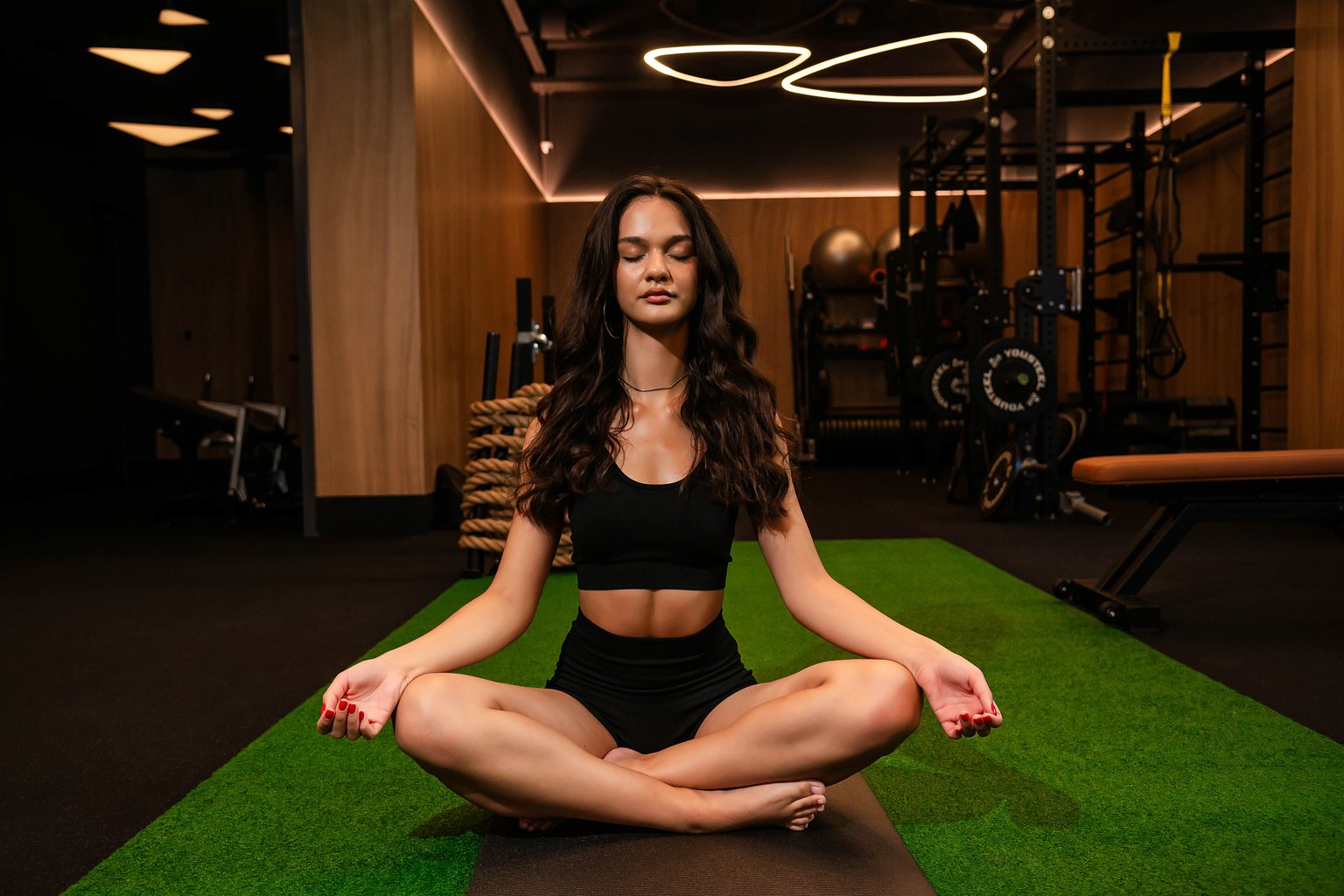
Muscles do not grow during training. They grow after it. This is not a motivational phrase — it is physiology. However, most people I work with at Sandler Wellness Center make the same mistake: they train hard but pay zero attention to recovery. The result is predictable — plateaus, overtraining, injuries.
Patients often ask: why has my progress stopped, even though I train five times a week? The answer is almost always the same. The body does not have enough time to adapt.
According to the American College of Sports Medicine (ACSM, 2023), insufficient recovery is the cause of decreased athletic performance in 64% of amateur athletes. Not an incorrect program, not poor nutrition — it is the lack of time for repair. A study published in the Journal of Strength and Conditioning Research (2022, n=1204) showed that athletes who follow structured recovery protocols are 41% less likely to get injured and demonstrate a 23% greater strength gain compared to the control group.
At Sandler Wellness Center located at 23 Kniaziv Ostrozky St, Kyiv, we integrate recovery into the training plan as an equal element. Personal training, physiotherapy, massage, and hardware methods — all of this is not a "bonus," but part of the system. Without this system, muscle growth remains a potential that is never realized.
What Happens to Muscles After Load: The Mechanism of Supercompensation
Supercompensation is the body's ability to recover to a level that exceeds the baseline after the stress of a load. This mechanism is the foundation of progress in strength training.
When you lift weights or perform intense cardio, muscle fibers experience micro-damage. This is not pathology; it is a signal. The body initiates a cascade of recovery: satellite cells (muscle stem cells) are activated, new protein is synthesized, and neuromuscular adaptation occurs. Within 24–72 hours after the load, the muscle becomes slightly larger and stronger than it was before the workout.
But there is a critically important nuance. If you apply the next load before supercompensation is complete, you interrupt the process. If you wait too long — the supercompensation window closes, and you return to the starting point. Thus, the timing of recovery is as important as the training program itself.
A study published in the Journal of Physiology (2021, n=620) showed that the peak of muscle protein synthesis after strength training occurs at 24–36 hours. This means: the next load on the same muscle group is more effectively planned for 48–72 hours later, depending on the intensity.
Let’s dispel a popular myth: muscle soreness (DOMS) is not a reliable indicator of workout quality. A study published in the British Journal of Sports Medicine (2019, n=315) confirmed the absence of a direct correlation between pain sensations and hypertrophy. You can have a great workout without any pain the next day — and vice versa.
Recovery Protocols: What Really Works and How to Apply It
Recovery is not a passive process. There are specific strategies with proven effectiveness. I see this every week: clients who systematically apply at least three of them progress significantly faster.
Sleep. This is the foundation, and there are no compromises here. During deep sleep phases, about 70% of the daily amount of growth hormone (GH) is produced. According to the Sleep Foundation (2023), athletes who sleep less than 7 hours have a 21% lower testosterone level and a 33% higher cortisol level compared to those who sleep 8–9 hours. Practical recommendation: at least 8 hours, in a cool dark room.
Nutrition in the recovery window. Nutrient absorption is maximized within 30–45 minutes after training. The optimal combination: 20–40 g of fast protein + 40–80 g of carbohydrates with a medium or high glycemic index. A study published in the International Journal of Sport Nutrition (2022, n=428) showed that following this protocol accelerates glycogen recovery by 37%.
Active recovery. Light aerobic activity (walking, swimming, cycling) on days between workouts improves microcirculation and speeds up the removal of metabolites from muscle tissue. Optimal intensity: 40–50% of maximum heart rate.
Massage and manual techniques. Mechanical impact on muscle tissue stimulates lymphatic drainage, reduces muscle hypertonicity, and improves fascia elasticity. At Sandler Wellness Center, therapeutic back massage costs 900 UAH, and a general 60-minute massage costs 1,800 UAH. This is an investment in recovery, not a luxury.
Checklist for readiness for the next workout:
- Resting heart rate within normal limits (±5 bpm from baseline)
- Absence of pronounced soreness in target muscles
- Subjective readiness: energy is present, motivation is there
- At least 7 hours of sleep last night
- Normal appetite and hydration
→ See also: Personalized Fitness: Why You Need a Trainer Even If You’ve Been Training for Years — A Practical Answer
Scientific Evidence: How Much Time Do Muscles Really Need
Specific numbers are always more important than general words. Therefore, I will provide the data.
The time for complete muscle recovery varies depending on the type of load. Isolated exercises for small muscle groups (e.g., bicep curls) require 24–48 hours. Heavy squats or deadlifts with maximum effort — up to 72–96 hours. This is confirmed by a study published in the European Journal of Applied Physiology (2020, n=189): recovery of neuromuscular function after squats with a load of 85% of 1RM takes on average 72 hours.
Separately about overtraining. It is not just fatigue. It is a pathological state with specific markers: elevated morning pulse (+10 bpm from baseline), decreased heart rate variability (HRV), chronic submaximal cortisol levels, sleep disturbances, lack of progress despite training. According to the Journal of Clinical Investigation (2023, n=847), 20 to 35% of amateur athletes at some point show signs of overtraining syndrome — and most of them are not aware of it.
Rest days are not a passive pause. This is when actual strengthening occurs. Muscles, tendons, ligaments, and the nervous system — all adapt during the rest phase. A full week of "deload" mesocycle every 4–6 weeks of training is a scientifically justified practice that does not hinder but accelerates long-term progress.
Contraindications and Warnings: When Recovery Requires Medical Supervision
Standard recovery protocols are not suitable for everyone. There are situations where individual adjustment or medical supervision is required.
Patients with cardiovascular diseases need to monitor the intensity and duration of loads, and recovery should be coordinated with a cardiologist. Contrast baths are contraindicated in unstable hypertension or arrhythmia.
People with type II diabetes have specific glycemic responses to physical activity: recovery nutrition is planned based on glucose levels, not standard nutrient protocols.
In the presence of injuries (tears, tendinopathies, stress fractures), the return to training and load tempo is determined by a rehabilitation specialist, not personal feelings.
Individuals over 50 require a longer recovery interval: a study published in Age (2022, n=412) showed that after 50 years, complete recovery of muscle function takes 40% longer compared to 25-year-olds under the same load.
Personal Training and Recovery Services at Sandler Wellness Center, Kyiv
At Sandler Wellness Center located at 23 Kniaziv Ostrozky St, Kyiv, we build recovery as a full-fledged second level of the training process. Every client who trains with a personal trainer receives not just an exercise program, but also recommendations for recovery intervals, sleep, and nutrition.
Current prices for services:
| Service | Cost |
|---|---|
| Personal training (60 min) | 2,000 UAH |
| Split training (60 min) | 2,500 UAH |
| General massage 60 min | 1,800 UAH |
| General massage 90 min | 2,400 UAH |
| Back massage | 900 UAH |
| Pressotherapy | 1,850 UAH |
| Stretching (individual) | 1,900 UAH |
For athletes who train regularly, a particularly effective combination is: personal training + massage or shockwave therapy between training sessions. Radial shockwave therapy on the STORZ MEDICAL AG (Switzerland) device stimulates microcirculation and accelerates the healing of micro-damage to tendons and fascia — this is especially relevant for chronic tendinopathies and pain in the knees or elbows.
If you are interested in intravenous recovery support — the "Metabolic boost" drip costs 3,350 UAH, and the "Immune boost" costs 3,000 UAH. The composition is tailored individually after a consultation with a doctor.
Prices may change — please confirm the current cost with the administrator or on sandler.com.ua.
→ See also: Strength training as anti-stress: how exercises reduce cortisol levels in Kyiv
Frequently Asked Questions About Recovery Between Workouts
Q: How many rest days are needed between strength training sessions?
A: The optimal interval between workouts for one muscle group is 48–72 hours for most moderate-intensity exercises and up to 96 hours after maximum efforts, such as squats or deadlifts with weights over 80% of 1RM. The total number of workouts per week depends on the training level: beginners need 2–3, experienced individuals need 4–5 with proper load distribution across muscle groups.
Q: Can I train every day and still recover?
A: Yes, but only with proper planning. Daily training is possible if different days target different muscle groups, and intensity is varied. For example, after a heavy leg workout, the next day you can train the upper body or perform light aerobic recovery. Chronic training of the same muscle groups every day leads to overtraining within 2–4 weeks.
Q: Why do my muscles hurt two to three days after training, and is this normal?
A: DOMS (delayed onset muscle soreness) is a normal physiological response to unusual or increased load. It occurs due to micro-damage to muscle fibers and associated inflammation, peaking 24–48 hours after the load. If pain persists for more than 5 days or is very intense — this is a signal to consult a doctor or trainer.
Q: What is better after training: a cold bath, hot bath, or contrast shower?
A: It depends on the goal. Cold water (10–15°C) reduces inflammation and is effective after intense loads when quick recovery is needed for the next training session the following day. A hot bath or sauna improves muscle relaxation and circulation, optimal on non-training days. A contrast shower combines the benefits of both: according to the Journal of Human Kinetics (2021, n=156), it reduces lactate levels 38% more effectively than passive rest.
Q: Does massage really help recover, or is it just for sensations?
A: Massage has documented physiological effects, not just subjective ones. A study published in the Journal of Athletic Training (2020, n=381) showed that a 20-minute massage two hours after training reduces levels of inflammatory markers (IL-6, TNF-alpha) and restores strength metrics 24% faster. The mechanism: improved lymphatic drainage, reduced muscle hypertonicity, stimulation of the parasympathetic nervous system.
Q: When should I eat after training for maximum recovery?
A: The first 30–45 minutes after training is the "anabolic window," when the absorption of protein and carbohydrates is maximized. The optimal dose: 20–40 g of protein (whey is absorbed the fastest) and 0.5–1.0 g of carbohydrates per kg of body weight. This closes the glycogen recovery window and initiates muscle protein synthesis. If you miss this window, the training effect decreases, but does not disappear completely.
Conclusion
Recovery between workouts is not a pause in working on yourself; it is a key phase where real muscle strengthening occurs. Supercompensation, protein synthesis, neuromuscular adaptation — all of this happens between sessions, not during them. Sleep, nutrition, active recovery, and physiotherapy methods are not auxiliary options but full-fledged tools for progress.
If you want to not just train but develop systematically — you need an individual approach, where recovery is planned as carefully as the workouts themselves.
Sandler Wellness Center at 23 Kniaziv Ostrozky St, Kyiv offers personal training, massage, shockwave therapy, and medical supervision in a unified integrated system. Sign up and details at sandler.com.ua or by calling the administrator.
Train smart. Recover systematically. Results will not keep you waiting.