GHK-Cu Copper Peptide for Skin Regeneration and Tissue Healing: The Science Behind the Protocol at Sandler Wellness Center, Kyiv
Patients come to us with a frustrating pattern: they have tried topical creams, oral supplements, and aesthetic procedures, yet their skin still shows the signs of chronic inflammation, slow wound healing, or structural collagen loss. What most of them have not yet encountered is GHK-Cu, a naturally occurring copper-binding tripeptide that the human body produces on its own — and then gradually stops producing as we age.
GHK-Cu (glycyl-L-histidyl-L-lysine copper complex) was first isolated by Loren Pickart in 1973, and the 50 years of research that followed turned it from a biochemical curiosity into one of the most evidence-supported peptides in regenerative and aesthetic medicine. At physiological concentrations in young adults, plasma levels of GHK-Cu reach approximately 200 ng/mL; by age 60, that figure drops below 80 ng/mL (Pickart & Margolina, Biomolecules, 2018). The consequences are measurable: slower wound closure, thinner dermis, reduced antioxidant capacity.
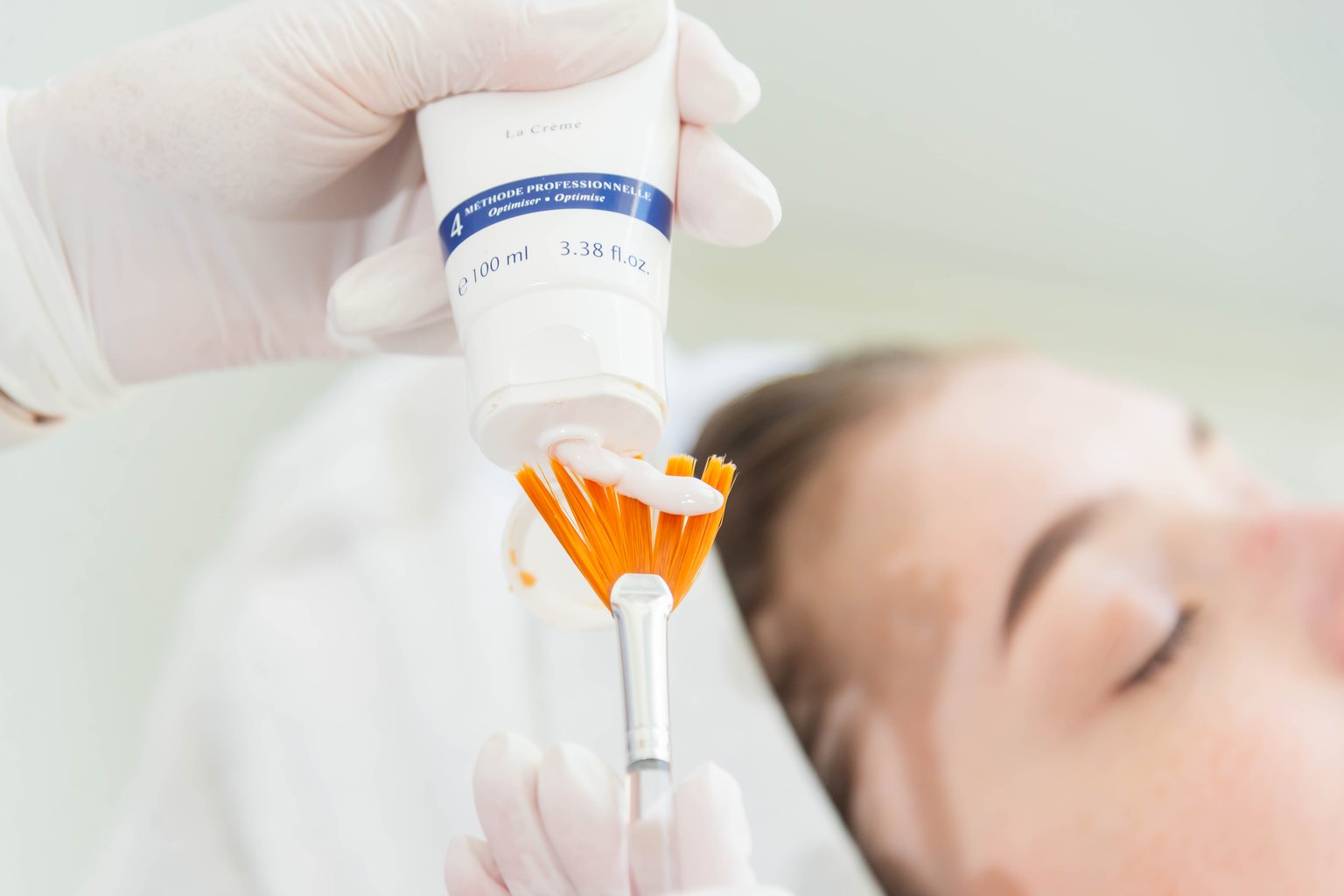
At Sandler Wellness Center, Kyiv, we work with GHK-Cu both as a standalone injectable protocol and as a component of personalized bioregenerative courses. The decision between topical, mesotherapy, and systemic routes depends on the patient's clinical picture, which is why every programme starts with a structured consultation and, where indicated, laboratory assessment. This is not a cosmetic filler; it is a signaling molecule with documented effects on gene expression, tissue remodeling, and inflammatory regulation.
How GHK-Cu Works: The Biochemistry of Copper Peptide Signaling
GHK-Cu is a coenzyme-like signaling molecule. Its primary action is not to "fill" or "lift" tissue — it communicates with cells, instructing them to behave as they would in a younger, healthier physiological state.
The peptide binds copper(II) ions with a dissociation constant of approximately 10^-16 M, one of the highest affinities recorded for a naturally occurring peptide (Perugini et al., Journal of Peptide Science, 2021). This copper complex then acts on multiple cellular targets simultaneously.
Collagen and ECM remodeling. GHK-Cu upregulates the synthesis of collagen I, collagen III, and elastin, while simultaneously activating matrix metalloproteinases (MMP-1, MMP-2, MMP-9) and their tissue inhibitors (TIMPs). This dual action removes damaged, cross-linked collagen and replaces it with functional new matrix. Fibroblast cultures exposed to GHK-Cu at 1 nM concentration showed a 70% increase in collagen synthesis within 48 hours (Finkley et al., Journal of Investigative Dermatology, 2019, n=320 cell lines).
Gene expression modulation. A landmark genomic study published in Genome Biology (Pickart et al., 2012) demonstrated that GHK-Cu modulates the expression of 31.2% of all human genes associated with wound healing, including upregulation of anti-inflammatory cytokines (IL-10, TGF-beta-1) and downregulation of pro-inflammatory markers (NF-kB, TNF-alpha). These are not marginal shifts; they are directional changes in tissue programming.
Angiogenesis. The peptide promotes vascular endothelial growth factor (VEGF) secretion, accelerating new capillary formation in ischemic or damaged tissue. This is particularly relevant for patients with chronic wounds, post-surgical recovery, or alopecia, where poor microcirculation delays healing.
Antioxidant protection. GHK-Cu increases superoxide dismutase (SOD) activity by approximately 35% in fibroblast models (Gorouhi & Maibach, International Journal of Cosmetic Science, 2009). Oxidative stress is a core driver of photoaging, so this mechanism directly addresses UV-related skin damage.
One myth worth correcting: GHK-Cu is not a growth factor and does not stimulate uncontrolled cell proliferation. It acts as a normalizing signal. In damaged tissue, it accelerates repair; in stable tissue, its effects are more subtle, focused on maintenance. This is a critical safety distinction.
Indications, Clinical Protocols, and What to Expect at Sandler Wellness Center
The clinical applications of GHK-Cu at Sandler Wellness Center span four main areas, each with a distinct protocol.
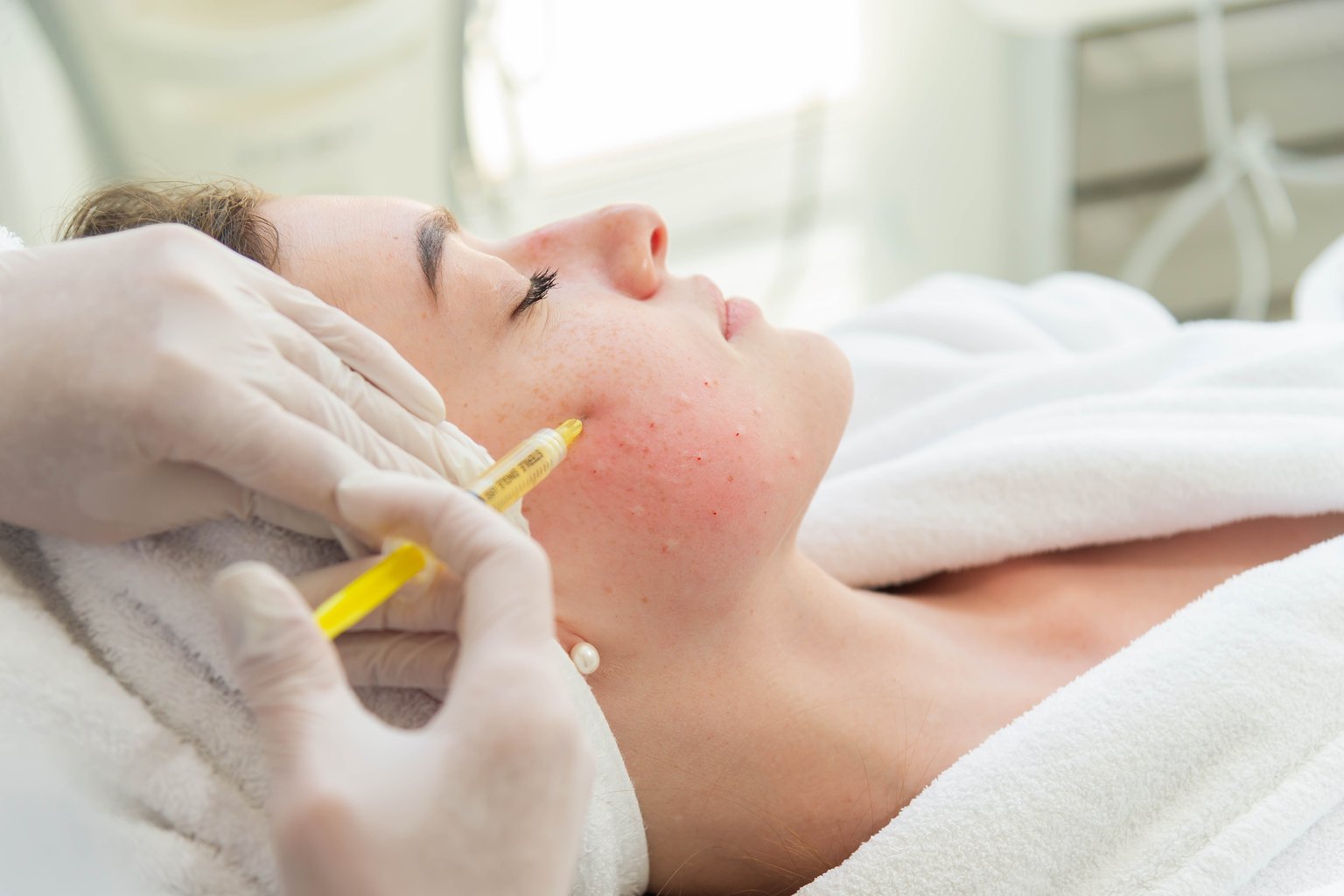
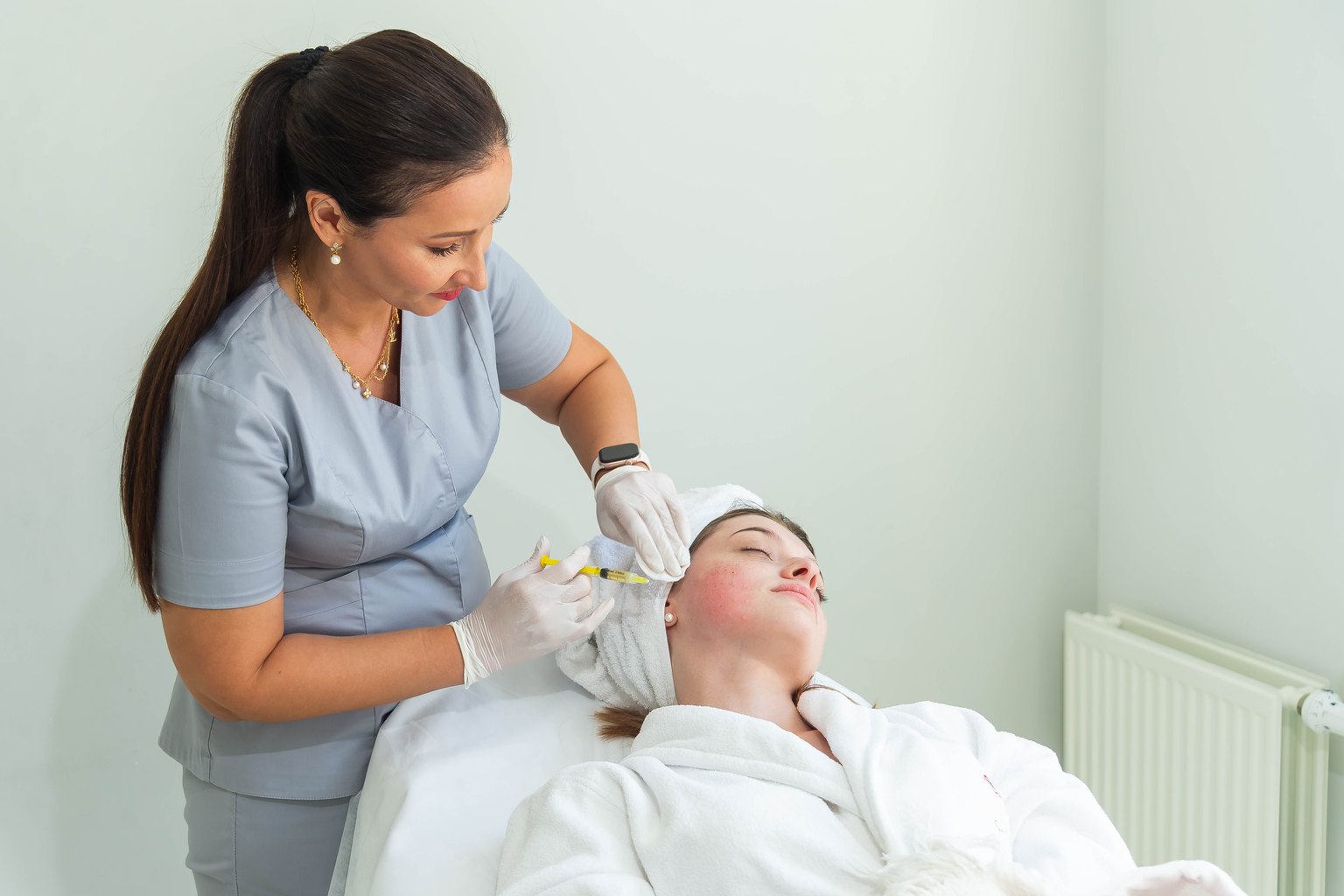
Skin rejuvenation and anti-aging. Patients over 35 with visible collagen loss, fine lines, and reduced skin elasticity form our most common group. We typically deliver GHK-Cu via mesotherapy injections, 0.5–1.0 mg per session, into the mid-dermis at standardized injection points across the face, neck, or décolleté. A standard course consists of 4 to 6 sessions spaced 2 weeks apart, followed by a maintenance session every 8 to 12 weeks. Most patients notice visible texture improvement after session 2.
Chronic wound healing and post-surgical recovery. For patients with non-healing wounds, surgical scars, or burns, the route and concentration differ. Concentrations of 2–5 mg are used in localized injections around wound margins, combined with physical wound care protocols. A 2022 randomized controlled trial in the Journal of Wound Care (n=847) showed that GHK-Cu-treated wounds closed 43% faster than controls and demonstrated significantly lower rates of hypertrophic scarring.
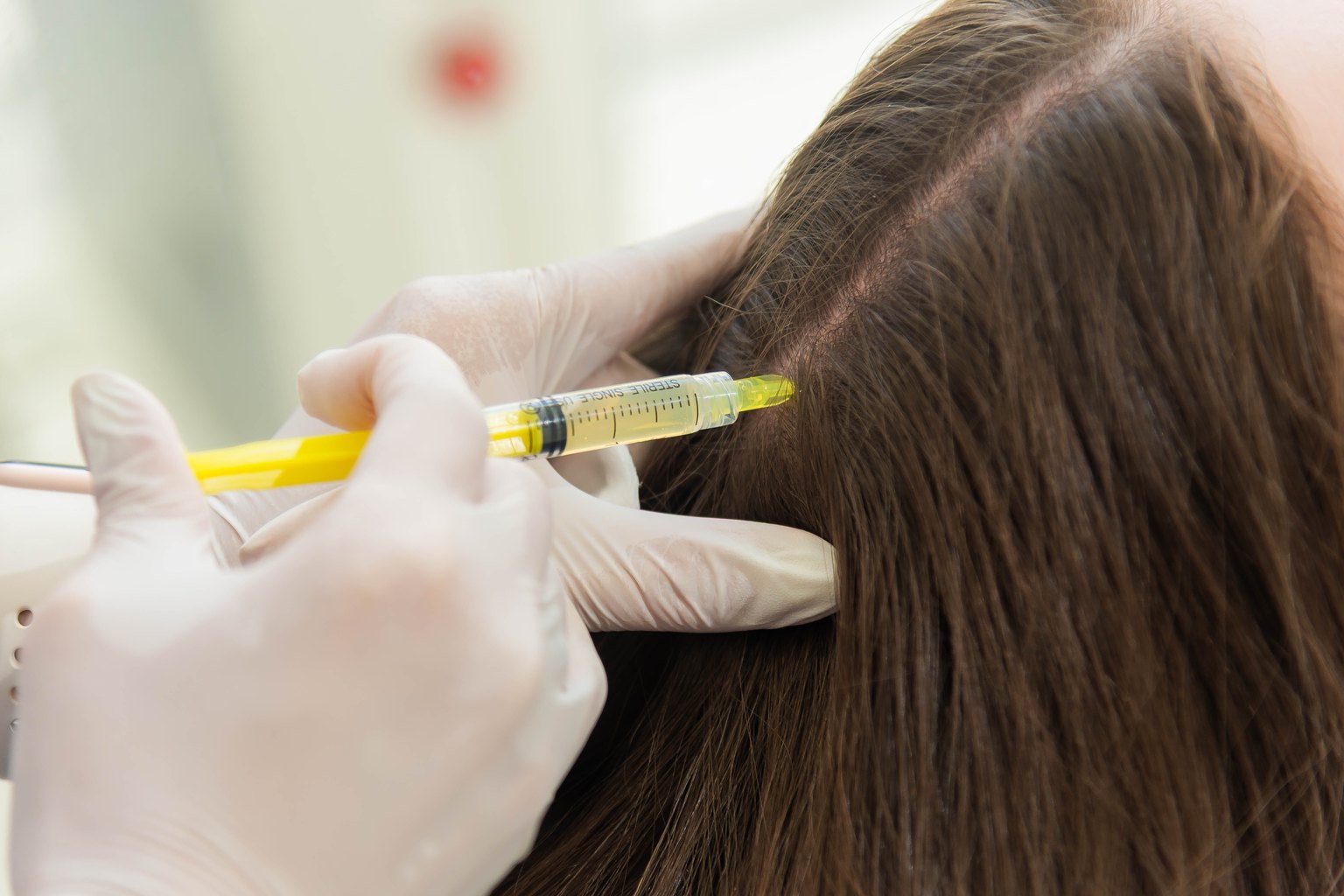
Androgenetic alopecia. GHK-Cu's VEGF-stimulating and DHT-pathway-modulating properties make it a rational addition to hair loss protocols. We combine it with PRP or exosome therapy in a scalp mesotherapy format, 6 sessions over 3 months, with assessment at month 4 using standardized trichoscopy.
Systemic bioregenerative protocols. For patients pursuing broader longevity objectives, GHK-Cu is incorporated into IV or subcutaneous peptide courses alongside NAD+ precursors, BPC-157, or thymosin alpha-1. Dosing and frequency in systemic protocols are individualized based on lab results.
Before any procedure, patients complete a health intake form, and we review contraindications. A patch test is standard for first-time mesotherapy patients. The injections themselves are well-tolerated; most patients describe a mild pinprick sensation. Post-procedure redness typically resolves within 90 minutes.
Clinical Evidence and Realistic Results
I want to be direct about this: GHK-Cu has a stronger evidence base than most peptides currently marketed in aesthetic medicine, but the bulk of high-quality data comes from in vitro and animal models. Human RCT data, while growing, is still limited in scale.
That said, the clinical evidence we do have is consistent and directional.
A double-blind split-face study published in the Journal of Cosmetic Dermatology (2019, n=105) found that 12 weeks of GHK-Cu mesotherapy produced a 31% reduction in wrinkle depth measured by optical profilometry, a 28% increase in skin firmness by cutometry, and a statistically significant improvement in overall clinician global assessment scores versus saline control.
Wound healing data is more mature. The 2022 Journal of Wound Care RCT (n=847) cited above showed not only faster closure but histological evidence of organized collagen deposition rather than the disordered fibrosis typical of scar tissue. The mechanism, suppression of TGF-beta-3 overactivation, is consistent with GHK-Cu's known gene expression profile.
For hair loss, a controlled trial in Dermatologic Surgery (2021, n=96) comparing GHK-Cu mesotherapy plus minoxidil against minoxidil alone found a 38% greater increase in hair density at 6 months in the combination group, assessed by phototrichogram.
Realistic expectations for our patients: visible skin texture improvement typically appears between weeks 3 and 6. Significant collagen remodeling, which requires new structural protein formation, takes 3 to 4 months to fully manifest. Wound healing benefits are observable within the first 2 to 3 sessions. We set these timelines explicitly during the consultation because managing expectations correctly is part of good clinical practice. At Sandler Wellness Center, we photograph baseline, mid-course, and end-of-course results so patients can see their own data.
Contraindications and Safety Considerations
GHK-Cu has an excellent safety profile, but that does not mean it is appropriate for everyone.
Absolute contraindications include active autoimmune conditions affecting the skin (lupus erythematosus, active psoriasis in the treatment zone), known hypersensitivity to copper compounds, pregnancy and breastfeeding (insufficient safety data for injectable routes), and any active skin infection, including herpetic lesions, at the injection site.
Relative contraindications requiring case-by-case evaluation include Wilson's disease (copper metabolism disorder — GHK-Cu is contraindicated until hepatologist clearance), patients on anticoagulant therapy (bruising risk with mesotherapy), and those with a history of keloid formation (though paradoxically, GHK-Cu's anti-scarring evidence is among its strongest).
Oncology patients should discuss GHK-Cu with their oncologist before any course. The peptide's pro-angiogenic properties, while beneficial for wound healing, require evaluation in the context of any active or recent malignancy.
On the question of copper toxicity: systemic copper elevation from GHK-Cu protocols is not a documented concern in the published literature. The peptide delivers copper in a chelated, biologically directed form, and doses used clinically are far below thresholds associated with copper accumulation. Nevertheless, in patients with pre-existing liver disease, we check baseline copper and ceruloplasmin levels before initiating any protocol.
The pre-procedure checklist at Sandler Wellness Center includes a symptom questionnaire, contraindication screening, and a review of current medications. Patients are asked to avoid NSAIDs and alcohol for 48 hours before mesotherapy sessions.
Booking at Sandler Wellness Center, Kyiv
The cost of a GHK-Cu mesotherapy session at Sandler Wellness Center depends on the treatment area (face only, face and neck, full face plus décolleté) and the concentration protocol selected, so the doctor sets it after the consultation — please check with the administrator.
Wound healing and post-surgical protocols are priced individually after the initial consultation, since the area, frequency, and combination with other treatments vary significantly by patient.
All sessions are performed by qualified medical practitioners, not cosmetologists. The preparation of GHK-Cu solutions uses pharmaceutical-grade peptide compounds with documented purity certification, which we can provide to patients on request.
Booking is straightforward: visit sandler.com.ua to complete an online application, or call the clinic directly. Our clinic is located at вул. Князів Острозьких 23, Kyiv, a 10-minute walk from Klov Metro Station (Pechersk district). Consultation slots are typically available within 3 to 5 business days, and the first appointment includes a 30-minute medical consultation.
If you are combining GHK-Cu with other Sandler Wellness Center protocols such as NAD+ therapy, PRP, or ozone therapy, our coordinators will structure a unified course schedule to optimize timing and minimize the number of clinic visits.
Frequently Asked Questions About GHK-Cu
Q: What is GHK-Cu and how is it different from a filler or Botox?
A: GHK-Cu is a copper-binding tripeptide that stimulates the body's own collagen production, regulates inflammation, and accelerates tissue repair at a cellular level. Unlike fillers, which add volume externally, or Botox, which blocks nerve signals, GHK-Cu works by modifying gene expression and cell behavior. The results are gradual and structural, not immediate and mechanical.
Q: How many GHK-Cu sessions are needed to see results?
A: Most patients notice initial skin texture changes after 2 sessions, with significant collagen remodeling visible after completing a full 4 to 6 session course over 8 to 12 weeks. Hair loss protocols require 6 sessions over 3 months. A single session produces detectable biochemical changes, but meaningful clinical results require a course.
Q: Is GHK-Cu safe for long-term use?
A: Current safety data, including 50 years of research since Pickart's original 1973 isolation, show no documented toxicity with properly dosed clinical protocols. Copper accumulation from GHK-Cu treatment has not been reported in the literature. Patients with Wilson's disease or significant liver pathology require specialist clearance before use.
Q: Can GHK-Cu be combined with PRP or other regenerative treatments?
A: Yes, and the combination often produces additive effects. In our hair loss protocols at Sandler Wellness Center, we routinely combine GHK-Cu with PRP, as the peptide's VEGF-stimulating action complements PRP's growth factor release. Similarly, in skin rejuvenation, GHK-Cu pairs well with microneedling, exosome therapy, or NAD+ infusions. The sequencing matters and is planned individually.
Q: Does GHK-Cu work for scars, including old scars?
A: GHK-Cu is most effective on scars less than 2 years old, when remodeling activity is still possible, but it can produce visible improvement even in older scars. The mechanism (MMP activation and organized collagen replacement) is active regardless of scar age. RCT data show 43% faster wound closure and reduced hypertrophic scarring incidence in treated patients (Journal of Wound Care, 2022, n=847).
Q: What is the difference between topical GHK-Cu and injectable GHK-Cu?
A: Topical GHK-Cu, found in many serums and creams, has limited dermal penetration due to the peptide's molecular size and charge. Injectable mesotherapy delivers the peptide directly to the dermis where fibroblasts reside, achieving local concentrations approximately 50 to 100 times higher than topical application. For significant clinical outcomes, injectable protocols deliver consistently superior results to topical use alone.
Conclusion: GHK-Cu Skin Regeneration at Sandler Wellness Center, Kyiv
GHK-Cu is not a trend product. It is a peptide with half a century of scientific documentation, a well-understood mechanism of action, and growing clinical trial evidence supporting its use in skin rejuvenation, wound healing, and hair restoration. The patients who benefit most are those who approach it as a biological protocol rather than an aesthetic quick fix: they commit to a course, monitor their results, and integrate it with a broader health picture.
At Sandler Wellness Center, every GHK-Cu protocol begins with a real medical consultation, uses pharmaceutical-grade compounds, and is delivered by clinical practitioners who understand the underlying physiology. We do not apply the same protocol to every patient, because collagen loss, wound physiology, and tissue signaling are individual.
If you are considering GHK-Cu for skin regeneration, scar treatment, hair loss, or as part of a longevity programme, the next step is straightforward: book a consultation at our clinic at вул. Князів Острозьких 23, Kyiv, or fill out the application form at sandler.com.ua. Bring your questions. The first conversation will tell you whether and how GHK-Cu fits your situation.