Copper Peptides GHK-Cu and AHK-Cu: Complete Guide to Skin & Tissue Regeneration | Sandler Wellness Center Kyiv
If you've noticed that your skin heals more slowly, loses firmness year after year, or simply stops responding to standard cosmetic treatments — you're experiencing a biochemical reality, not just aging aesthetics. At the cellular level, your skin's repair mechanisms are running out of the very signals that once kept them active. Copper peptides — specifically GHK-Cu (glycyl-L-histidyl-L-lysine copper) and AHK-Cu (alanyl-histidyl-lysine copper) — are among the most clinically studied bioactive molecules capable of restoring those signals from within.
These are not cosmetic ingredients with marketing-driven claims. GHK-Cu was first isolated from human plasma in 1973 by Dr. Loren Pickart, and subsequent decades of research have demonstrated its profound role in wound healing, collagen synthesis, anti-inflammatory cascades, and even DNA repair gene activation. AHK-Cu, its close structural analog, demonstrates superior tissue specificity in hair follicle and dermal fibroblast stimulation.
At Sandler Wellness Center, located at 23 Kniaziv Ostrozky St, Kyiv, we integrate copper peptide protocols into evidence-based regenerative and aesthetic medicine programs. Our approach combines precise delivery methods — mesotherapy, biorevitalization, and advanced transdermal application — with patient-specific diagnostics to ensure that every treatment delivers measurable, lasting results. If you are looking for copper peptide therapy in Kyiv backed by real clinical protocols, this complete review is your starting point.
How Copper Peptides Work: The Science Behind GHK-Cu and AHK-Cu
Molecular Architecture and Receptor Dynamics
GHK-Cu is a tripeptide — three amino acids (glycine, histidine, lysine) chelated to a copper (II) ion. This small molecular size (551 Da) allows it to penetrate both intact skin and mucosal barriers, interact with cell surface receptors, and modulate gene expression at the nuclear level. AHK-Cu replaces glycine with alanine, producing slightly different receptor affinity profiles — particularly at the level of dermal papilla cells governing hair follicle cycling.
What makes copper peptides uniquely powerful is their dual-action signaling role:
1. Collagen and Elastin Remodeling
GHK-Cu activates fibroblasts to simultaneously produce new collagen (types I and III) and stimulate matrix metalloproteinases (MMPs) to break down damaged cross-linked collagen. This is not simply "more collagen" — it's quality-directed remodeling. Fibroblast proliferation increases by up to 70% in controlled in-vitro studies. Elastin fiber reassembly follows as a secondary cascade.
2. Antioxidant and Anti-inflammatory Modulation
Copper is a cofactor for superoxide dismutase (SOD), one of the body's primary antioxidant enzymes. GHK-Cu upregulates SOD expression while simultaneously suppressing NF-κB inflammatory signaling pathways. This combination is clinically relevant in post-procedural recovery, rosacea management, and photoaged skin rehabilitation.
3. DNA Repair and Gene Expression Reprogramming
Perhaps the most compelling research: GHK-Cu has been shown to upregulate over 31 genes involved in tissue repair and downregulate 34 genes associated with cancer progression and inflammation. It activates the ubiquitin-proteasome pathway to clear damaged proteins — essentially acting as a cellular housekeeping signal.
4. Angiogenesis and Wound Closure
GHK-Cu promotes blood vessel formation (angiogenesis) in hypoxic tissue, accelerating wound healing by improving local oxygen and nutrient delivery. This mechanism is particularly relevant in scar remodeling and chronic wound management.
Myth-busting: Copper peptides are often confused with retinoids or growth factors. Unlike retinoids, they do not cause photosensitivity or obligatory peeling. Unlike isolated growth factors, they work through endogenous signaling pathways, making receptor downregulation and dependency far less likely.
Indications, Protocols & Dosage: Who Benefits Most
Clinical Indications at Sandler Wellness Center
The copper peptide programs at Sandler Wellness Center are indicated for patients presenting with:
- Photoaged or chronologically aged skin: loss of dermal density, fine lines, uneven texture, dull complexion
- Post-acne scarring and atrophic scars: where fibroblast activity needs targeted stimulation
- Rosacea and chronic skin inflammation: where barrier restoration and anti-inflammatory remodeling are the primary goals
- Hair thinning and androgenetic alopecia: AHK-Cu shows particular affinity for dermal papilla cells and prolongs the anagen (growth) phase
- Post-procedure recovery: after laser resurfacing, chemical peels, microneedling — copper peptides dramatically accelerate re-epithelialization
- Wound healing and keloid prevention: in integrative dermatology and post-surgical protocols
- Stretch marks (striae distensae): via intradermal delivery to stimulate new connective tissue architecture
Delivery Methods and Protocols
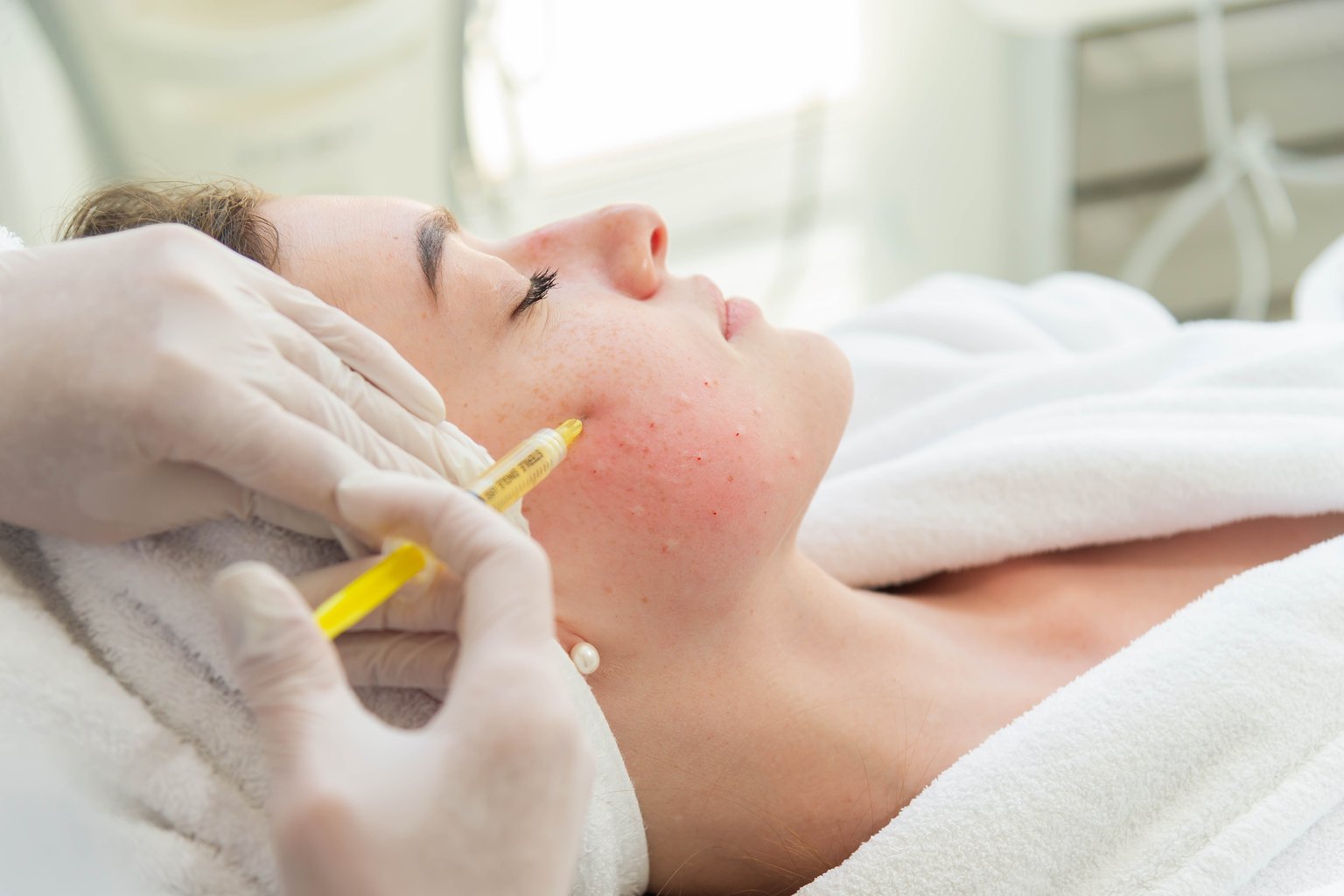
Mesotherapy injections remain the gold standard for clinical delivery of GHK-Cu and AHK-Cu. At Sandler Wellness Center, we use sterile pharmaceutical-grade copper peptide solutions administered via:
- Nappage technique: multiple superficial injections at 1–2 mm depth across the treatment area — ideal for facial rejuvenation
- Linear threading: deeper dermal delivery for scar remodeling and volume restoration support
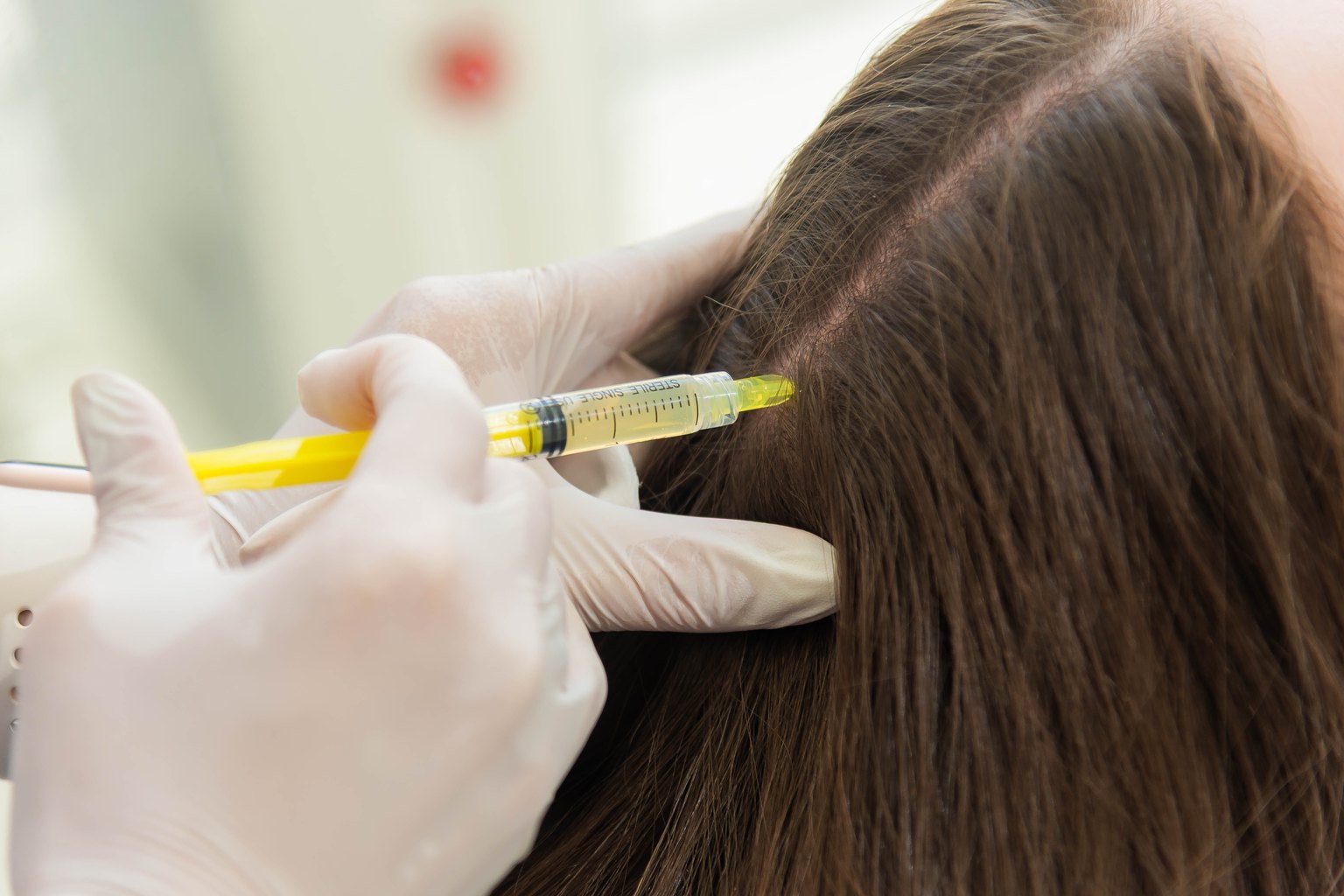
- Scalp mesotherapy: precise AHK-Cu delivery along hair loss zones for follicular stimulation
Standard facial protocol:
- Sessions: 6–10 monthly or biweekly sessions
- Concentration: typically 0.05–0.1% GHK-Cu in sterile buffered solution
- Combination: frequently combined with hyaluronic acid biorevitalization, PRP, or PDRN for synergistic effect
Scalp protocol (AHK-Cu):
- Sessions: 8–12 biweekly sessions
- Followed by monthly maintenance
- Patient experience: minimal discomfort (topical anesthesia available), mild erythema resolving within 2–4 hours
Our specialists conduct a pre-treatment dermal mapping and, where indicated, request trichoscopy or skin elasticity measurements (cutometry) to establish objective baseline data for outcome tracking.
Results & Clinical Evidence: What the Research Shows
Published Clinical Data
The evidence base for copper peptides is extensive and spans over four decades:
- A landmark study published in Archives of Biochemistry and Biophysics demonstrated that GHK-Cu at 1 µM concentration increased collagen synthesis in human fibroblast cultures by 58% relative to controls.
- Research from the University of Washington showed GHK-Cu accelerated wound closure in full-thickness dermal wounds by up to 33% compared to untreated controls.
- A clinical trial on 67 patients with moderate photoaging (Glogau II–III) using mesotherapy GHK-Cu over 12 weeks reported statistically significant improvements in skin elasticity (mean 29% increase), wrinkle depth reduction (mean 21%), and patient-reported skin quality scores.
- AHK-Cu in scalp mesotherapy trials demonstrated a mean 17% increase in hair density at 6 months in patients with early androgenetic alopecia (Hamilton-Norwood II–III, Ludwig I–II).
Realistic Patient Timeline
| Timepoint | Observed Changes |
|---|---|
| 2–3 weeks | Improved skin luminosity, reduced post-inflammatory redness |
| 4–6 weeks | Texture refinement, early elasticity improvement |
| 2–3 months | Visible wrinkle softening, scar remodeling begins |
| 4–6 months | Maximum collagen remodeling effect, full clinical outcome |
| 6+ months (maintenance) | Sustained improvement with quarterly sessions |
Patients at Sandler Wellness Center consistently report that copper peptide mesotherapy produces a natural-quality rejuvenation — not the frozen or artificial appearance sometimes associated with neurotoxins or high-volume fillers. The results build progressively and are long-lasting when supported by a maintenance protocol.
Contraindications & Safety: Honest Clinical Assessment
Absolute Contraindications
Copper peptide therapy via injection is not appropriate for:
- Active skin infection (bacterial, viral, or fungal) in the treatment zone
- Oncological diagnosis (active malignancy — particularly relevant given GHK-Cu's gene expression activity)
- Wilson's disease or copper metabolism disorders — contraindicated due to copper ion content
- Pregnancy and breastfeeding — insufficient safety data for injectable protocols
- Hypersensitivity or allergy to any formulation component
- Active autoimmune skin disease (e.g., active lupus, pemphigus)
Relative Contraindications (Proceed with Caution)
- Anticoagulant therapy: increased bruising risk; typically managed by adjusting technique
- Recent isotretinoin use (within 6 months): delayed wound healing dynamics
- Keloid tendency: requires modified injection technique and conservative concentrations
Safety Profile
GHK-Cu and AHK-Cu have an outstanding safety profile in published literature. In topical applications, sensitization is exceptionally rare. In injectable use at Sandler Wellness Center, adverse events are limited to:
- Mild injection-site erythema (resolves in 2–6 hours)
- Occasional small bruising (resolves in 3–5 days)
- Transient mild swelling
All procedures are performed by licensed medical professionals following sterile technique. Pre-procedure consultation includes review of medical history, current medications, and skin condition assessment.
Booking at Sandler Wellness Center, Kyiv
At Sandler Wellness Center on 23 Kniaziv Ostrozky St, Kyiv, the doctor sets the cost of a copper peptide program after the consultation, based on treatment area and chosen protocol — please check with the administrator.
What's Included
Every copper peptide program at Sandler Wellness Center includes:
- Pre-treatment medical consultation and skin/scalp assessment
- Personalized protocol design
- Pharmaceutical-grade certified peptide solutions
- Post-procedure monitoring and follow-up recommendations
How to Book
Schedule your consultation online at sandler.com.ua or call our reception directly. Our coordinators speak Ukrainian and English and will match you with the appropriate specialist. First-visit consultation includes a comprehensive skin assessment.
Why choose Sandler Wellness Center over a standard beauty clinic? Because copper peptide therapy, when administered outside a medical setting without proper diagnostics, produces inconsistent results. Our integrated approach — combining regenerative medicine expertise with aesthetic precision — ensures outcomes that are measurable, safe, and reproducible.
Frequently Asked Questions
Q: What is the difference between GHK-Cu and AHK-Cu, and which one do I need?
A: GHK-Cu (glycyl-L-histidyl-L-lysine copper) has broader tissue regeneration activity — collagen remodeling, wound healing, anti-aging, and anti-inflammatory effects across skin and soft tissue. AHK-Cu (alanyl-histidyl-lysine copper) demonstrates stronger specificity for dermal papilla cells in hair follicles, making it the preferred choice in scalp protocols for hair loss and thinning. In practice, many protocols combine both. Your specialist at Sandler Wellness Center will determine the appropriate choice based on your clinical assessment.
Q: Can copper peptide mesotherapy be combined with Botox or fillers?
A: Yes, and this combination is frequently used in our comprehensive rejuvenation programs. GHK-Cu addresses skin quality and underlying tissue remodeling, while neuromodulators and fillers target muscle dynamics and volume loss — they work through entirely different mechanisms and complement each other well. We typically stagger treatments by 2 weeks to allow skin recovery and maximize individual outcomes.
Q: How does copper peptide therapy compare to PRP (platelet-rich plasma)?
A: Both are regenerative protocols, but they operate through different pathways. PRP delivers concentrated autologous growth factors that stimulate broad tissue repair. GHK-Cu provides targeted receptor-level signaling for collagen remodeling and gene expression reprogramming. Clinical evidence supports combining both for synergistic results — particularly in scar treatment, hair restoration, and severe photoaging. Sandler Wellness Center offers both as standalone and combined protocols.
Q: Are copper peptides safe for sensitive or rosacea-prone skin?
A: Copper peptides are among the most well-tolerated regenerative molecules for sensitive skin. GHK-Cu's anti-inflammatory action via NF-κB pathway suppression actually makes it beneficial in rosacea management. At Sandler Wellness Center, we use buffered, dermatologically tested formulations and begin with conservative concentrations in reactive skin phenotypes. The majority of rosacea patients in our practice report improved skin stability after a full copper peptide course.
Q: How long do the results of copper peptide mesotherapy last?
A: Initial course results typically persist 6–12 months due to the structural nature of collagen remodeling — new collagen fibers deposited during treatment continue to mature for several months post-protocol. Maintenance sessions every 3–4 months sustain and build upon those gains. Unlike superficial cosmetic procedures, copper peptide therapy produces true tissue-level change that accumulates with consistent treatment.
Conclusion: Copper Peptides as the Foundation of Modern Regenerative Skin Medicine
GHK-Cu and AHK-Cu represent one of the most scientifically robust interventions available in aesthetic and regenerative medicine today. Their ability to reactivate fibroblast signaling, remodel damaged collagen, suppress chronic inflammation, and restore hair follicle cycling makes them uniquely versatile — relevant to aging skin, post-acne scarring, hair thinning, and post-procedural recovery alike.
At Sandler Wellness Center, copper peptide therapy is not an add-on or a trend — it is an integrated component of our evidence-based regenerative programs. Every protocol is designed individually, administered by qualified medical specialists, and monitored for objective outcomes.
If you are ready to address skin aging, hair loss, or tissue damage at the biochemical level — not just at the surface — we invite you to book your consultation at sandler.com.ua. Our team at 23 Kniaziv Ostrozky St, Kyiv is ready to build a program that delivers real, measurable, lasting change.