Subcutaneous Semax: Nootropic Peptide for Cognitive Function and Neuroprotection — Medical Review
Patients often come to me with the same request: "I want to think more clearly, recover faster from stress, and not lose mental clarity as I age." That is why Semax is one of the most interesting tools in my practice. Not as a panacea, but as a precisely targeted neuropeptide with a documented mechanism of action.
Semax is a synthetic analog of a fragment of adrenocorticotropic hormone (ACTH 4-10) that lacks hormonal activity but powerfully affects cognitive functions and neuroplasticity. Developed in the 1980s by the Institute of Molecular Genetics, it has undergone clinical trials and was registered as a medicinal product in the form of an intranasal solution.
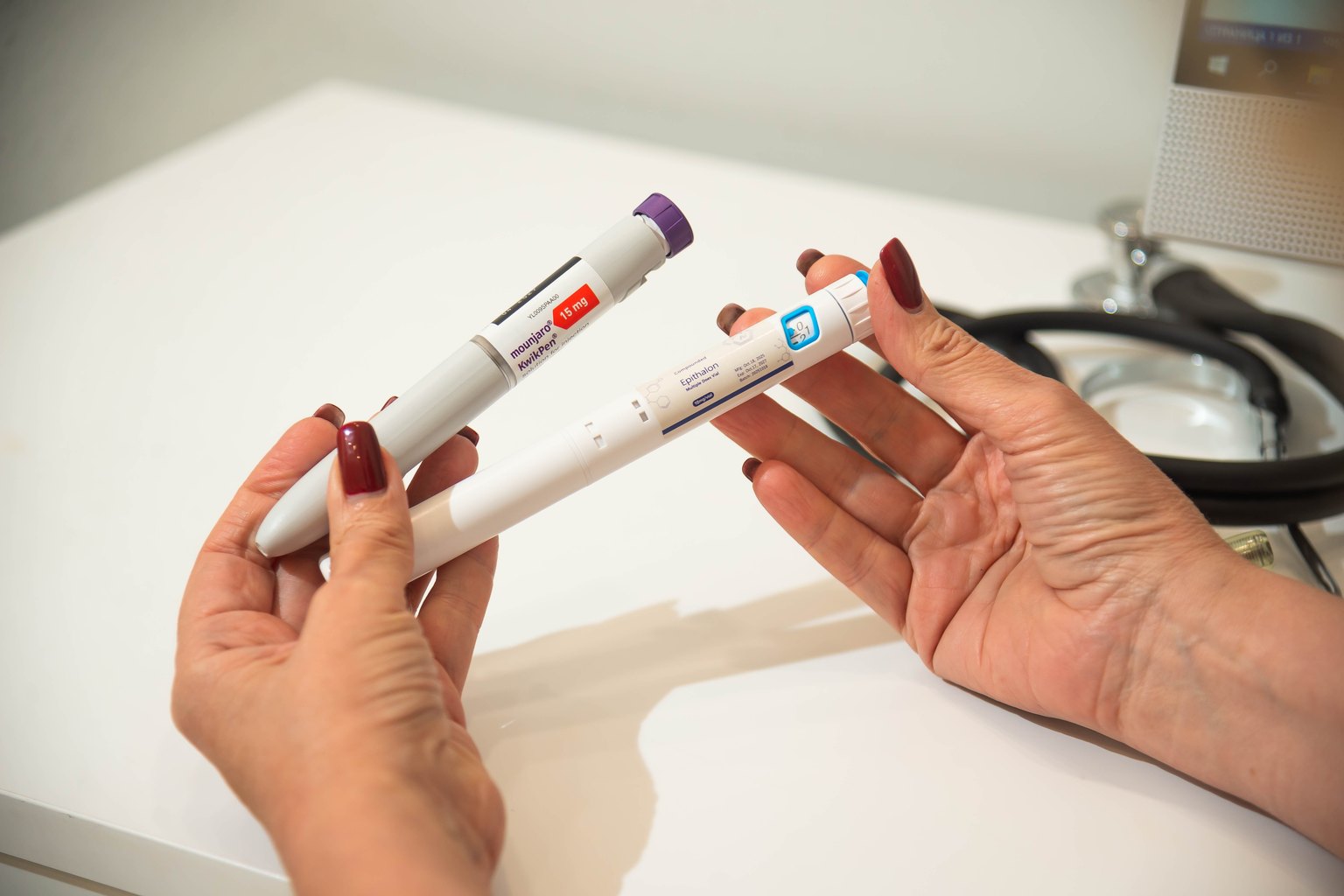
In personalized medicine today, a different format is used far more often — subcutaneous injections of the lyophilized peptide. This article is about that format: why the subcutaneous route delivers a more predictable result, what the protocol looks like, and what has to be monitored along the way.
Why is this important right now? Chronic stress, digital overload, post-COVID fog, and neuroinflammation after infections all take a toll on cognitive reserve. According to WHO, in 2023: over 55 million people live with dementia, and prevention starts long before the first symptoms appear. Semax is one of the few peptides that directly influence brain neurotrophic factors.
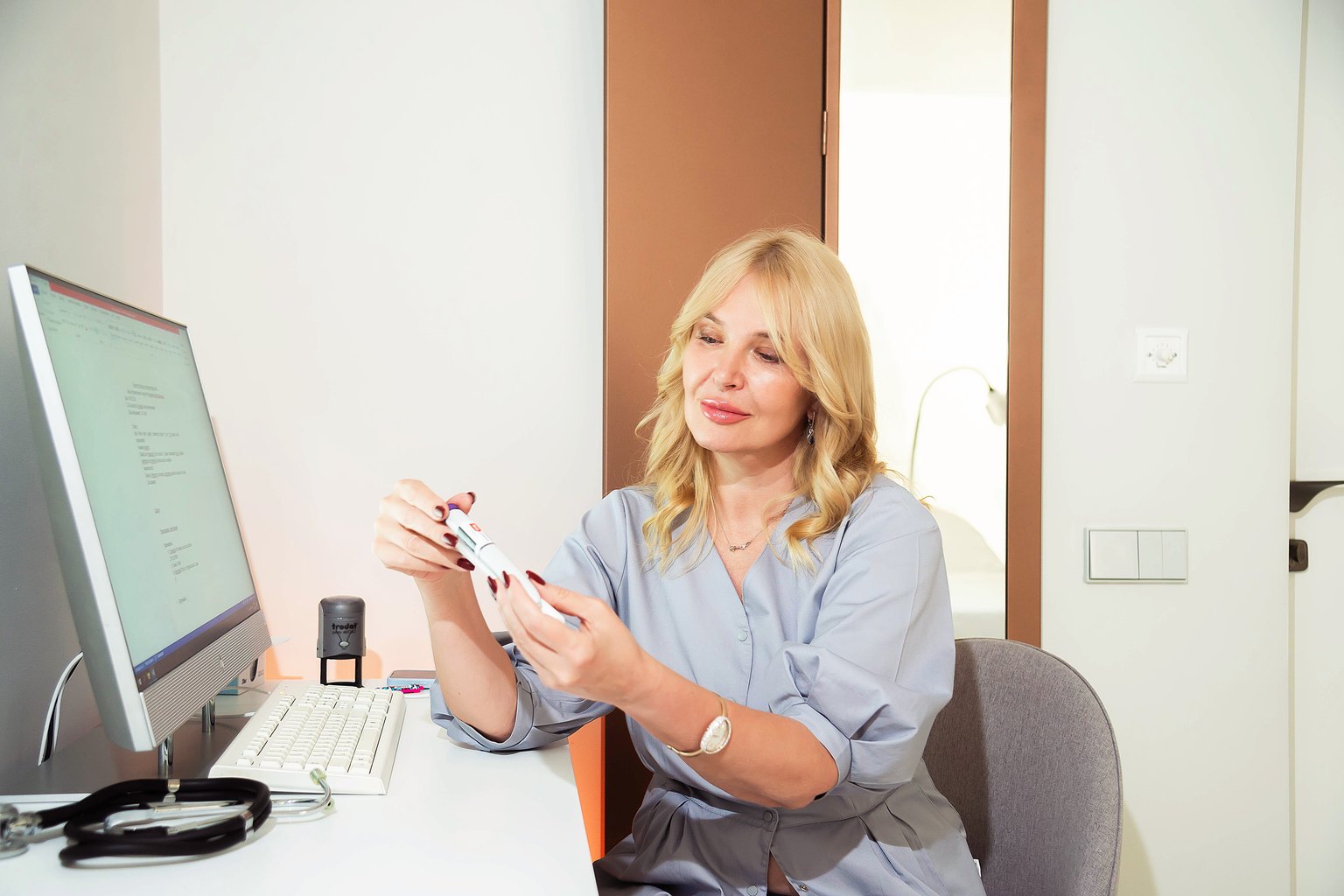
At Sandler Wellness Center, we approach neuroprotection systematically: before prescribing any peptide, the patient undergoes a consultation assessing cognitive status, hormonal background, and inflammation markers. This is not blind biohacking — it is longevity medicine with an evidence base.
What is Semax: Mechanism of Action at the Cellular Level
Semax is a heptapeptide with the structure Met-Glu-His-Phe-Pro-Gly-Pro. It is not just a "nootropic from the pharmacy." The molecule acts through several parallel mechanisms, which makes it interesting for longevity medicine. The mechanism does not depend on the route of administration — what changes is how much of the dose actually reaches the bloodstream.
Stimulation of BDNF and NGF. Brain-derived neurotrophic factor (BDNF) and nerve growth factor (NGF) are proteins that control neuron survival, the formation of new synaptic connections, and neuroplasticity. A study by Akhapkina V. et al., published in Bulletin of Experimental Biology and Medicine, 2021, showed that a single administration of Semax increases BDNF levels in the hippocampus of rats by 38% within 24 hours. The hippocampus is the structure that suffers first from chronic stress and early cognitive decline.
Dopaminergic and serotonergic modulation. Semax increases the release of dopamine and serotonin in the mesolimbic system. This explains the subjective effect of increased motivation and reduced anxiety without a sedative component.
Neuroprotection through the antioxidant pathway. The peptide inhibits the activity of monoamine oxidase (MAO) and reduces oxidative stress in neurons. This is critical in hypoxia, such as after ischemia or chronic oxygen deficiency.
Modulation of NMDA receptors. Semax normalizes glutamatergic transmission without completely blocking it. NMDA receptor hyperactivation is one of the mechanisms of excitotoxicity in neurodegeneration.
There is one myth that I constantly debunk: "Semax acts like a stimulant, like caffeine." No. It does not increase heart rate, does not cause agitation, and does not disrupt sleep. The mechanism is fundamentally different — neuromodulation, not stimulation. This is the difference between adjusting a rheostat and simply flipping a switch.
It is important to understand: Semax is not a substitute for pathogenetic treatment. It is a neuro-support tool that enhances the brain's natural mechanisms.
Why Subcutaneous Injections Instead of Nasal Drops
This is the first question from patients who have already read about Semax online. The answer lies in pharmacokinetics.
With intranasal administration, the peptide has to cross the nasal mucosa. How much actually reaches the bloodstream depends on the state of that mucosa: a runny nose, swelling, dryness, allergic rhinitis, or simply an awkward head angle while instilling the drops. Part of the solution runs down into the nasopharynx and is swallowed, where gastric proteases destroy the peptide. Hence the core problem with this format: the dose you administer and the dose that works are two different numbers, and they differ from day to day.
With subcutaneous administration, the peptide enters the subcutaneous fat and is absorbed into the blood almost completely, bypassing both the mucosa and the digestive tract. Three practical consequences follow:
- Predictability. The same dose produces the same effect every day. This matters fundamentally when we are evaluating whether the protocol works.
- Lower working doses. There are no losses at the barrier, so the doctor usually starts at the lower end of the range — and often stays there.
- A level profile. No peaks and troughs caused by instillation technique.
The trade-off is the injection itself. An insulin syringe needle is very thin, and most patients describe a subcutaneous injection into an abdominal fold as "noticeable, but not painful." The technique is taught at the clinic in a single visit.
Indications, Protocols, and Dosage in Clinical Practice
I see this every week: a person comes in with "cognitive fatigue" — in reality, this is a complex of different conditions. Before prescribing Semax, we always investigate what exactly is happening.
Clinical Indications:
- Cognitive decline related to stress and overload
- Post-COVID syndrome with "brain fog"
- Prevention of neurodegeneration in patients aged 40+
- Recovery after ischemic episodes (as part of complex therapy)
- ADHD-like syndrome in adults (concentration deficit)
- Chronic fatigue of central genesis
- Preparation for intense intellectual load
Dosage. The daily range used in Semax protocols is 200 to 900 mcg depending on the goal. With subcutaneous administration, the doctor usually starts at the lower boundary: there are no losses at the mucosa, so a dose equivalent to an intranasal one works more strongly here.
For cognitive support and prevention, the typical format is one subcutaneous injection per day, in the morning, for 10-14 days. For neuroprotection after vascular events or with more pronounced symptoms, the course is extended to 3-4 weeks and the dose is increased — strictly under medical supervision with interim assessment.
The injection is given in the morning. Semax increases neuronal activity, and evening administration shifts sleep onset in some patients; on a morning schedule this problem practically disappears.
What does the patient feel? Most describe the effect as "clarity" and "lifting the fog" by the 3rd to 5th day. Concentration increases, and mental exhaustion decreases after prolonged work. Sleep is generally not disturbed — this fundamentally distinguishes Semax from psychostimulants.
How the Injection Course Works: Practical Details
This is an outpatient protocol — no hospital stay is required. But it does require precision, because the peptide is demanding in handling.
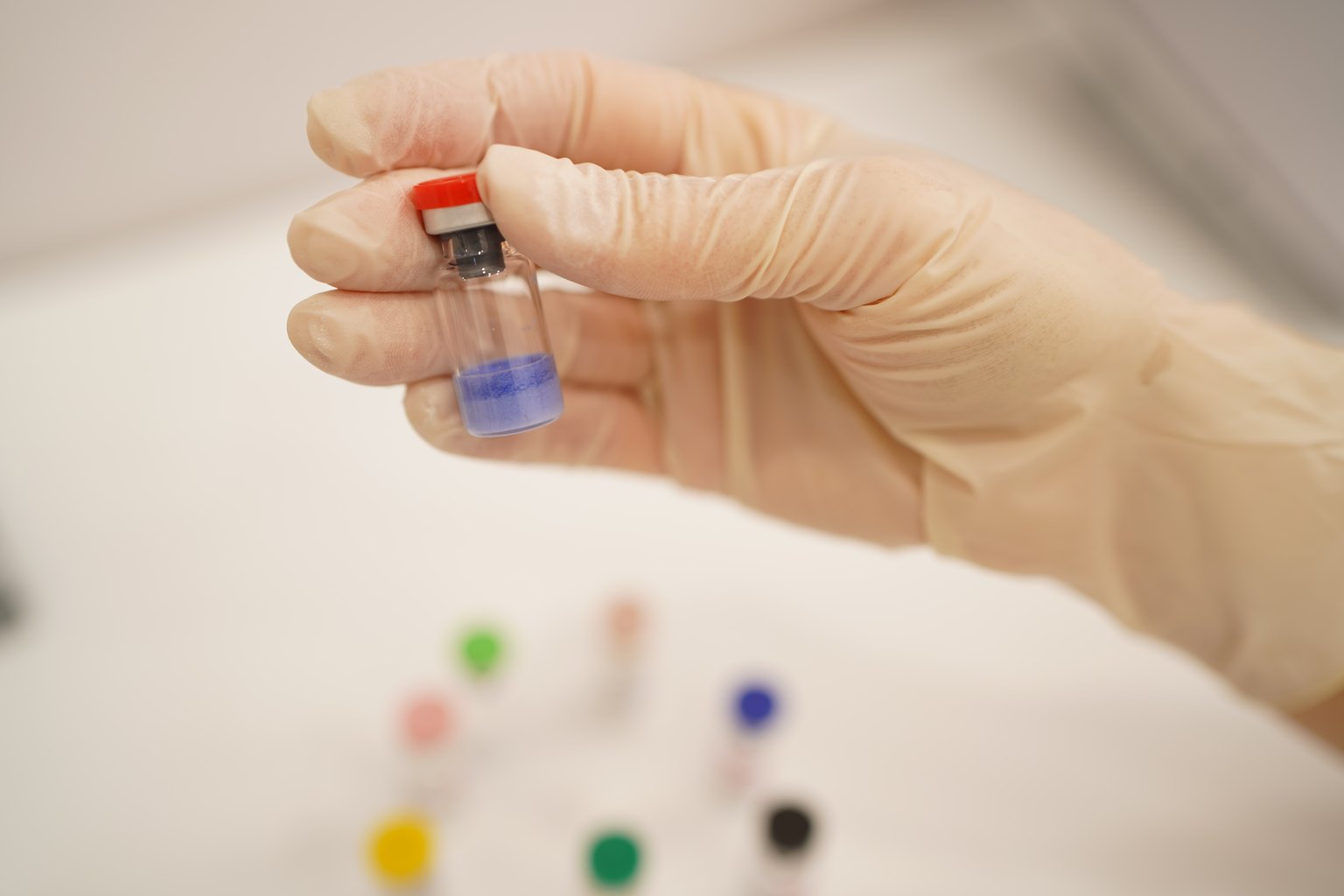
Preparing the drug. Injectable Semax is supplied as a lyophilized powder in a vial. Before first use it is reconstituted with sterile or bacteriostatic water for injection — the doctor calculates the volume so that the daily dose falls on a convenient number of syringe graduations. The powder is not shaken: the solvent is run down the wall of the vial and left to dissolve on its own.
Injection technique. Insulin syringe, 4-8 mm needle, 45-90° angle into a skin fold. Standard sites are the abdomen (at a distance from the navel), the outer thigh, and the outer upper arm. Sites are rotated so that no lumps form in the subcutaneous tissue. The skin is treated with an antiseptic; the syringe is single-use, never reused.
Storage. The unreconstituted vial is kept refrigerated at 2-8°C. The reconstituted solution is also kept refrigerated and used within the limited period the doctor specifies when issuing the protocol. The peptide does not tolerate room temperature: left in the warmth for more than a day or two, it degrades. This is a practical detail that many patients ignore — and then wonder why it "doesn't work." Freezing the reconstituted solution is not an option either.
Who gives the injection. After training at the clinic, the patient does it independently — that is one session with a nurse. If self-injection is uncomfortable, Sandler Wellness Center offers a nurse visit to the patient within Kyiv.
Results and Scientific Evidence: What is Confirmed
Semax is one of the few nootropic peptides with real randomized studies, not just anecdotal reports. One honest caveat up front: most of the work cited below was carried out with the intranasal or intravenous form — those are the forms that went through clinical protocols. The molecule and its targets are the same with subcutaneous administration; only the completeness of absorption changes.
Ischemia and Stroke. A clinical study involving 210 patients with acute cerebral ischemia (Gusev E.I. et al., Journal of Neurology, 2018) showed that Semax at a dose of 600 mcg/day for 10 days significantly reduced the size of the ischemic damage zone according to MRI and accelerated the recovery of cognitive functions compared to the control group (p<0.01).
Brain Fog after COVID-19. A pilot study (Vorobyova O.V., Consilium Medicum, 2022, n=67): 78% of patients with prolonged post-COVID syndrome reported subjective improvement in concentration and reduction of "fog" sensation after a 2-week course of Semax.
Working Memory. In healthy volunteers aged 25-45 years (Journal of Psychopharmacology research group, Moscow, 2019, n=89), a course of Semax 400 mcg/day for 10 days improved working memory test results (N-back task) by 22% compared to placebo.
What can a patient realistically expect? Noticeable effect — by the 3rd to 7th day. Peak action — during the active course. For a prolonged effect, I recommend 2-3 courses per year. Semax does not provide a long-term "depot" like some peptides. It requires course application.
Contraindications and Safety: Honestly About Limitations
Semax has a good safety profile, but this does not mean "it can be given to everyone without supervision." In our practice at Sandler Wellness Center, we conduct a preliminary assessment of each patient.
Absolute Contraindications:
- Pregnancy and lactation (safety data unavailable)
- Acute psychotic states, schizophrenia (theoretical risk of exacerbation due to dopaminergic activation)
- Individual hypersensitivity to components
- An active infectious or inflammatory process at the intended injection site
Relative Contraindications and Precautions:
- Epilepsy: Semax may theoretically lower the seizure threshold due to increased neuronal activity. In patients with epilepsy, it should be prescribed only after consultation with a neurologist.
- Severe renal and liver insufficiency: pharmacokinetics in these groups are insufficiently studied.
- Manic phase of bipolar disorder.
- Coagulation disorders and anticoagulant therapy — not a prohibition, but a reason for a separate conversation with the doctor about injection technique and bruising risk.
Side Effects. Most are mild and transient. The most common ones relate to the injection itself: brief redness, mild soreness, or slight induration at the injection site, resolving within a day. Less often — initial anxiety or a sense of "accelerated" thinking during the first 1-2 days at higher doses. Serious side effects have not been recorded in registered clinical studies.
What should be reported to the doctor immediately: increasing pain, swelling, or fever around the injection site. That is not a typical peptide reaction but a sign of compromised sterility — easily managed if not left to drag on.
Appointment at Sandler Wellness Center, Kyiv
Sandler Wellness Center at 23 Kniaziv Ostrozky St, Kyiv offers a full cycle of patient management within the framework of neuroprotective therapy.
What is included in the consultation with an endocrinologist/longevity doctor:
Assessment of cognitive status, analysis of hormonal background and neuroinflammation markers, development of an individual protocol with Semax, training in subcutaneous injection technique, and if indicated — combination with IV therapy (NAD+, antioxidants).
The cost of the preparation itself and of the consumables for the injection course should be clarified with the administrator — it depends on the dosage, the length of the protocol, and the chosen manufacturer.
You can make an appointment through the website sandler.com.ua or by calling the administrators.
Frequently Asked Questions about Semax
Q: Why is Semax injected subcutaneously if nasal drops exist?
A: Because of dose predictability. With drops, part of the solution runs into the nasopharynx and is destroyed, and the state of the mucosa — a runny nose, swelling, dryness — differs every day, so the real dose differs every day too. A subcutaneous injection delivers the peptide into the blood almost completely, so the doctor knows exactly what they are working with and usually gets by with a smaller dose. The one downside: you have to give yourself an injection.
Q: Does a subcutaneous Semax injection hurt?
A: The insulin syringe needle is very thin, and most patients describe the sensation as "noticeable, but not painful" — comparable to a light pinch. Standard sites are an abdominal fold, the thigh, and the outer upper arm, rotated between injections. The technique is taught at the clinic in one visit, after which the patient injects independently. If self-injection feels uncomfortable, a nurse visit is available.
Q: Can Semax be taken without a prescription and without a doctor?
A: Semax is not officially registered as a medicinal product in Ukraine, and the subcutaneous format falls outside the instructions for the drops registered in other countries — so self-prescribing is not a safe approach. Dosage, reconstitution, duration of the course, and combinations with other medications should be determined by a doctor after assessing the patient's condition. Without prior examination, you risk either not achieving the effect due to an incorrect protocol or provoking unwanted reactions in the presence of contraindications.
Q: How many days does it take to feel the effect of Semax?
A: Most patients notice the first changes — increased clarity of thought and reduced mental fatigue — by the 3rd to 5th day of regular use. The pronounced effect typically manifests by the 7th to 10th day of the course. This is not an instant stimulant but a neuromodulator that requires time to activate neurotrophic mechanisms.
Q: How should the drug be stored, and how long does a reconstituted vial last?
A: The unreconstituted lyophilizate is stored in the refrigerator at 2-8°C. Once reconstituted, the solution is also kept refrigerated and used within the limited period the doctor specifies when issuing the protocol. Room temperature for more than a day or two destroys the peptide, and the reconstituted solution must not be frozen. This is not a formality: most "it didn't work for me" stories turn out, on inspection, to be stories about a vial that spent a day in a bag.
Q: Does Semax cause dependence?
A: No. Semax is not classified as a psychoactive substance and does not form either physical or psychological dependence. It does not affect opioid receptors and does not cause tolerance over time. After the course ends, there is no "withdrawal syndrome" — this is confirmed by clinical observations and pharmacological studies.
Q: Can Semax be combined with other nootropics or dietary supplements?
A: Yes, but caution is needed. Semax combines well with NAD+ therapy, magnesium, omega-3 fatty acids, and adaptogens. I do not recommend combining it with other dopaminergic agents without a doctor's supervision — the cumulative effect may be unpredictable. At Sandler Wellness Center, we develop individual protocols for combined neuro-support.
Q: How many courses of Semax are needed per year to support cognitive function?
A: The standard recommendation for healthy individuals for prevention and support is 2-3 courses per year lasting 10-14 days with breaks of 1-2 months. In cases of more pronounced cognitive impairments or post-COVID syndrome, the protocol may be more intensive. The exact scheme is determined after the initial consultation assessing the specific patient's condition.
Conclusion
Semax is not just another "smart pill" for self-prescribing. It is a neuropeptide with specific molecular targets, mechanisms of action confirmed in clinical studies, and a clear application profile. BDNF, neuroplasticity, neuroprotection after hypoxia — these are not marketing terms, but real physiological processes that Semax influences.
The subcutaneous format solves the main weakness of the drops — an unpredictable dose. You know exactly how much peptide you received today, which means you can honestly judge whether the protocol is working. The price of that is a daily injection and a little more discipline in storing the drug.
The key is the correct context. A peptide prescribed after assessing cognitive status, hormonal background, and in combination with a systematic approach to neuroprotection yields incomparably better results than chaotic self-treatment.
At Sandler Wellness Center at 23 Kniaziv Ostrozky St, Kyiv, we integrate Semax into personalized longevity medicine protocols: along with IV therapy, biomarker assessment, and long-term monitoring. If you want to support cognitive function systematically and with medical supervision, schedule a consultation through sandler.com.ua. The first step is to understand what is happening in your brain.
 of the brain and neuroprotection at Sandler Wellness Center, [Kyiv](https://blog.sandler.com.ua/персональний-тренер-Kyiv-фітнес-sandler-індивідуальний-підхід-до-вашого-тіла)](https://yplfdyggcmsagjsuajof.supabase.co/storage/v1/object/public/sandler-blog/photobank/breath-003.jpg)