Every woman goes through menopause. However, few consciously prepare for it. In my practice, I see this weekly: patients aged 45–52 come in with symptoms that have been ongoing for years — only to learn that most of them could have been either prevented or significantly alleviated. Simply put, no one explained the mechanism in time.
Menopause is not a disease. It is a biological restructuring that affects the hormonal, cardiovascular, skeletal, and neural systems simultaneously. According to the International Menopause Society (IMS, 2023), the average age of onset of menopause in Ukraine is 49–51 years, and perimenopause can begin 7–10 years before the last menstruation. This means that active preparation makes sense already after the age of 40.
Sandler Wellness Center in Kyiv specializes in this kind of work: systematic management of women in perimenopause and menopause from the perspectives of anti-aging, evidence-based medicine, and personalized protocols. There are no "one-size-fits-all" recipes here — there is deep diagnostics and a plan built on specific data of a specific person.
This article is a practical guide. What happens to the body when estrogen decreases? What symptoms are predictable, and which signal pathology? And most importantly — what can be done right now, before the symptoms become uncomfortable.
What Happens in the Body During Menopause: Mechanism at the Cellular Level
Menopause is a permanent cessation of menstruation for 12 consecutive months due to the depletion of the ovarian follicular reserve. But behind this simple definition lies a cascade of changes that affects nearly every system in the body.
Hormonal Cascade. The ovaries gradually reduce the production of estradiol (E2) and progesterone. In response, the pituitary gland increases the level of follicle-stimulating hormone (FSH). If FSH >25 IU/L on two measurements taken 4–6 weeks apart — this is a marker of menopausal transition. The level of E2 falls below 20 pg/mL.
Patients often ask: why are the symptoms so different? Because estrogen receptors are literally everywhere: in the brain, heart, bones, skin, mucous membranes, blood vessels, and joints. A deficiency of E2 is a systemic stress for the body.
Bones. Osteoblasts (cells that build bone) require estrogen for activity. Without it, osteoclasts (cells that break down bone) begin to prevail. According to a study published in the Journal of Bone and Mineral Research (2022, n=12,400), women lose 3–5% of bone mass annually in the first 5 years after menopause. The risk of osteoporosis increases by 3–4 times.
Cardiovascular System. Before menopause, estrogen protects the endothelial cells of blood vessels, maintains HDL (good cholesterol) levels, and suppresses inflammatory processes. After menopause, the risk of cardiovascular diseases in women aligns with that of men. According to the European Heart Journal (2023), 10 years after menopause, the risk of heart attack in women increases by 76%.
Brain and Neurotransmitters. Estrogen regulates the synthesis of serotonin and dopamine. Its decline explains cognitive changes, mood swings, anxiety, and sleep disturbances. This is not "character" or "nerves" — it is neurochemistry.
Skin and Connective Tissue. Skin fibroblasts have estrogen receptors. Collagen in the skin decreases by 30% during the first 5 years of menopause (British Journal of Dermatology, 2021).
Symptoms, Protocols, and What Really Helps
The clinical picture of menopause is diverse but predictable. Hot flashes are noted by 75–80% of women — vasomotor instability due to changes in thermoregulation in the hypothalamus. Night sweats ruin sleep quality. Urogenital atrophy (dryness, discomfort, frequent infections) occurs in 50% of women after 55, but only 25% seek help — they consider it normal.
Not normal. It is treatable.
What does the modern menopause management protocol at Sandler Wellness Center include:
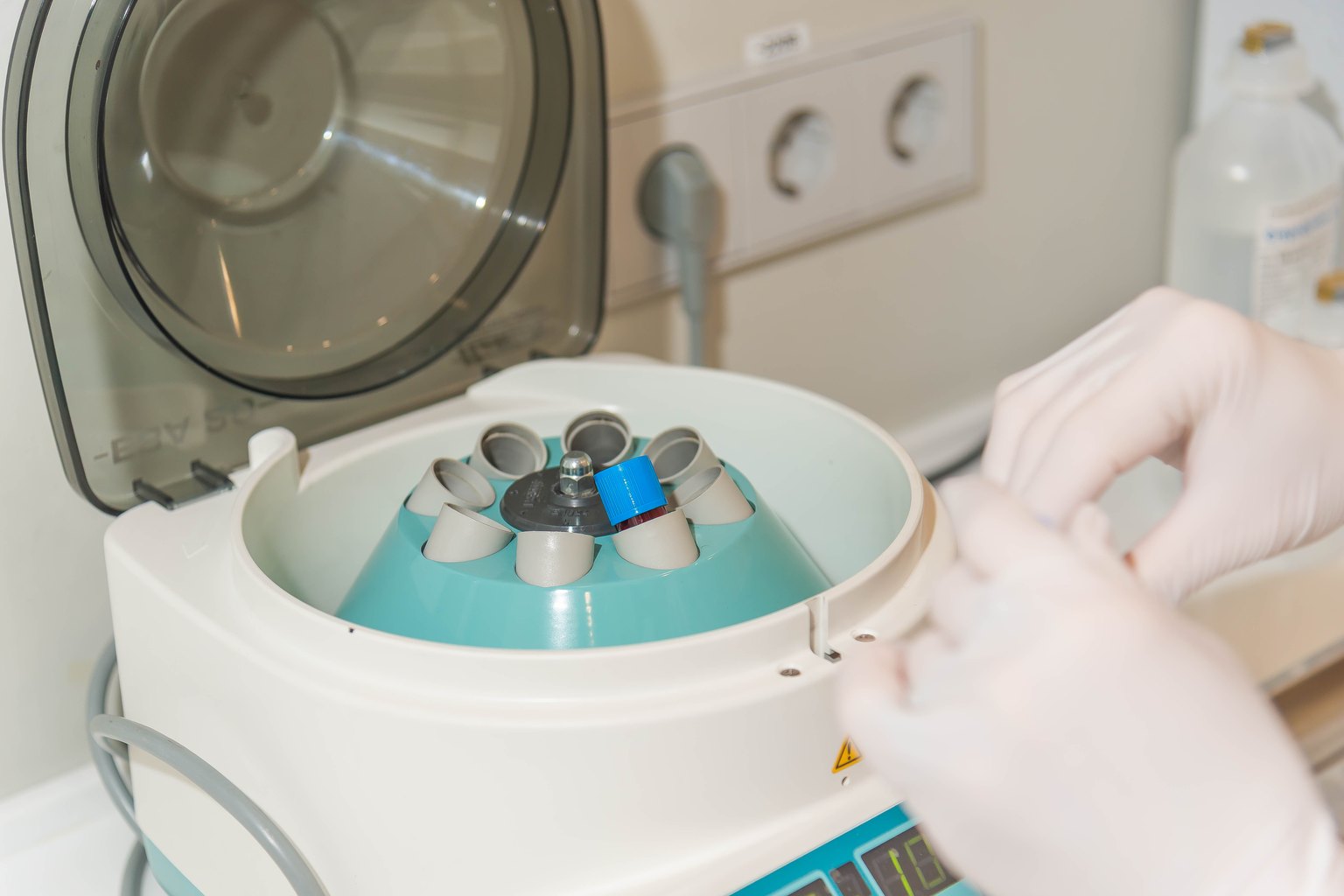
First — diagnostics. Without it, any treatment is a shot in the dark.
- Hormonal panel: FSH, LH, E2, progesterone, free testosterone index, DHEA-S, prolactin
- Thyroid: TSH, free T3, free T4, anti-TPO antibodies
- Metabolic profile: glucose, insulin, HOMA index, lipid profile
- Bone density: densitometry (DXA)
- Ultrasound of the pelvis and breasts
- Consultation with a gynecologist-endocrinologist included in the initial examination protocol
Menopausal Hormone Therapy (MHT) is the gold standard according to IMS and ACOG recommendations (2022). In the absence of contraindications, it reduces the risk of osteoporosis by 40%, cardiovascular events by 30% (when started before the age of 60 or within 10 years after menopause), improves sleep quality and cognitive functions.
MHT is not for everyone. And not instead of, but together with other tools.
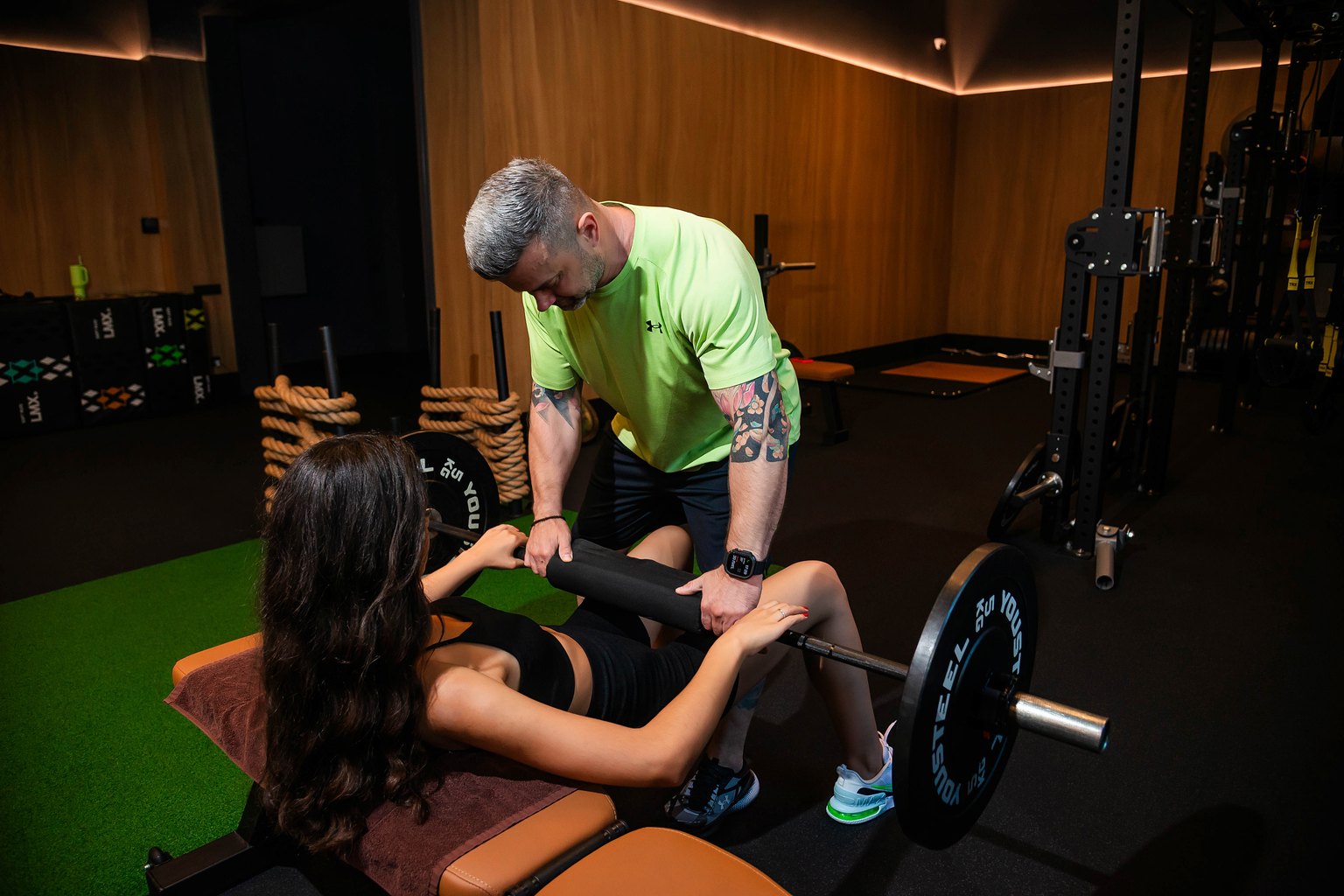
Non-hormonal methods in our practice show good results with proper patient selection. Among them are intravenous ozone therapy (1,000 UAH per procedure), nutraceutical support (vitamin D3, magnesium, omega-3 in therapeutic doses), balneological procedures, and adequate physical exercise under the supervision of a specialist.
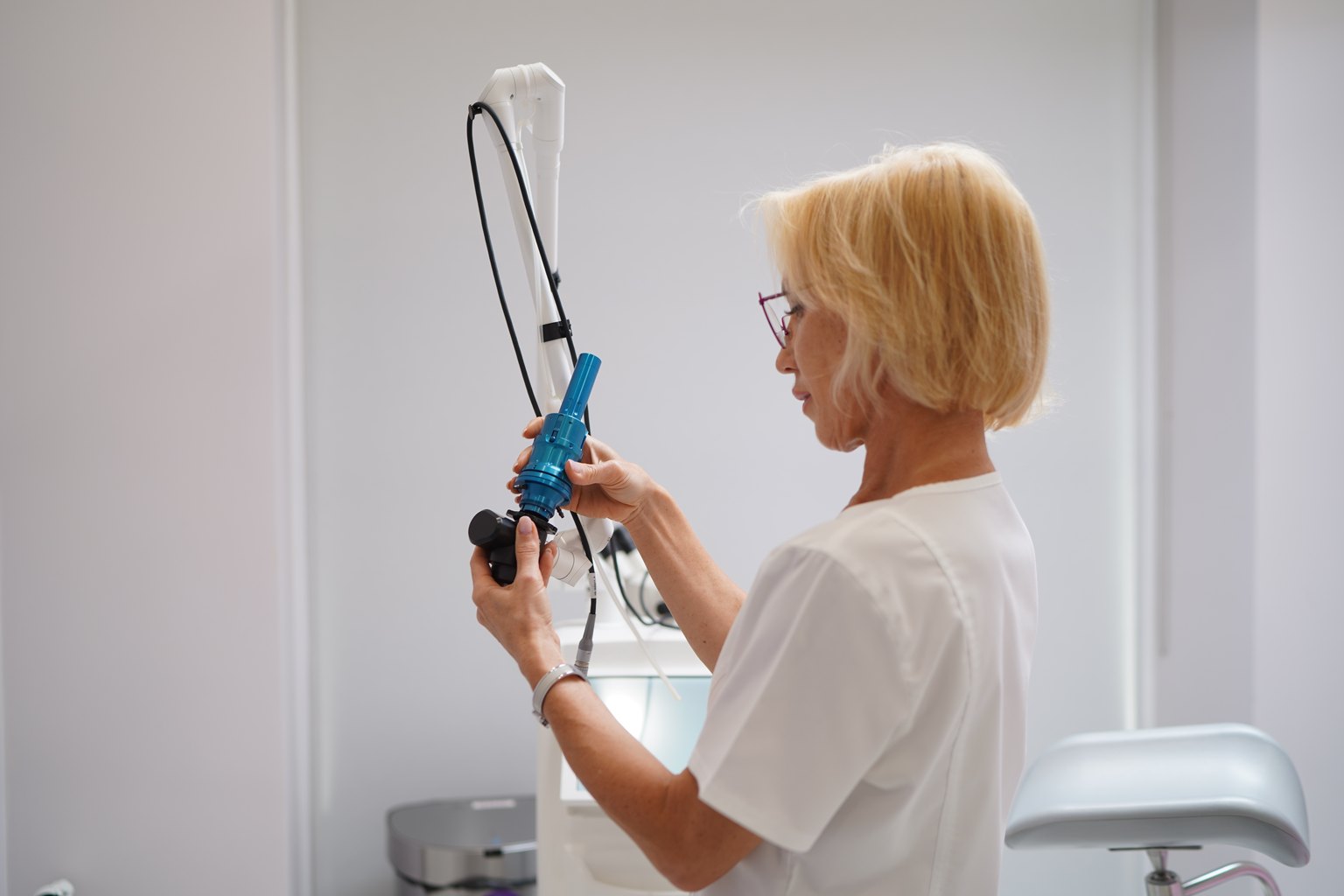
Urogenital atrophy is a separate important topic. At Sandler Wellness Center Kyiv, we use laser intimate rejuvenation Lumenis AcuPulse (9,600 UAH per procedure or 24,000 UAH for a package of 3 procedures for endovaginal impact). The CO₂ laser stimulates collagen synthesis in the vaginal mucosa, restoring its moisture and tone without hormones — relevant for women for whom MHT is contraindicated.
Duration and Frequency. The initial diagnostic protocol takes 1–2 weeks. Hormonal correction is tailored individually and requires monitoring 3 months after initiation. Laser procedures are conducted in a course of 3 sessions with intervals of 4–6 weeks.
→ See also: Fitness During Menopause: What to Change in Workouts After 45 and Why the Old Approach No Longer Works
Results and Scientific Evidence: What Really Changes and in What Time Frame
Patients often ask: "Will it really help?" The honest answer — it depends on what exactly we are treating and when we start.
According to the Women's Health Initiative (WHI, re-analysis 2022, n=27,347), MHT started before the age of 60 or within the first 10 years after menopause ("therapeutic window") reduces overall mortality by 30%, the risk of hip fractures by 34%, and vasomotor symptoms in 90% of patients.
What patients feel in our practice:
After 4–6 weeks of starting MHT: reduction in the frequency and intensity of hot flashes, improvement in sleep, stabilization of mood. This is confirmed by data from the Journal of Clinical Endocrinology & Metabolism (2023, n=1,240): at the 6th week of MHT, 68% of patients report significant reduction in vasomotor symptoms.
After 3–6 months: noticeable improvement in skin quality (hydration, turgor), reduction in vaginal dryness, increase in libido. Cognitive functions — concentration, memory — improve in 60% of women within the first year.
After 12 months: stabilization of bone density (densitometry confirms no progression of losses), improvement in lipid profile.
Laser treatment for urogenital atrophy shows clinically significant effects after the first procedure in 70% of patients, with full effects after a course of 3 sessions. A study published in the Climacteric Journal (2023, n=312) confirms: CO₂ laser therapy increases the thickness of the vaginal epithelium by 45% and significantly improves the vaginal health index.
Importantly: results are more sustainable with a comprehensive approach — hormonal or non-hormonal correction + nutraceuticals + physical activity + metabolic control.
Contraindications and Safety: Honestly About Limitations
MHT is an effective tool, but not universal. There are clear contraindications, and I always discuss them openly.
Absolute contraindications to MHT:
- History of breast or ovarian cancer
- Endometrial cancer (estrogen-dependent)
- History of thromboembolism or deep vein thrombosis
- Acute hepatitis or severe liver failure
- Unexplained vaginal bleeding until diagnosis is established
- Stroke or heart attack within the last 6 months
Relative contraindications (decisions are made individually): gallbladder disease, migraine with aura, hypertriglyceridemia, some autoimmune conditions.
Transdermal forms of MHT (gels, patches) are safer regarding thrombotic risks compared to oral tablets — this is confirmed by a meta-analysis from Lancet (2019, n=58,000+).
Laser treatment for urogenital atrophy has a minimal risk profile: temporary sensitivity of the mucosa for 2–3 days after the procedure, rarely slight swelling. It is not recommended in cases of active genital herpes or other local inflammatory processes.
Before any protocol at Sandler Wellness Center, a complete examination is conducted. Decisions are made based on data, not preferences.
Prices and Appointments at Sandler Wellness Center, Kyiv
Anti-aging management of menopause at Sandler Wellness Center at 23 Kniaziv Ostrozky St, Kyiv is structured step by step.
Diagnostics and Consultations:
- Expert consultation with a gynecologist-endocrinologist: 4,500 UAH
- Gynecologist consultation + pelvic ultrasound: 5,400 UAH
- Gynecologist consultation + pelvic and breast ultrasound: 6,000 UAH
- Women's Check-up 45+ (comprehensive examination): from 22,000 UAH
- Gynecological Check-up: from 9,500 UAH
Hardware and Injection Treatments:
- Intravenous ozone therapy: 1,000 UAH
- Intravenous therapy (individual composition): from 2,500 UAH
- Intimate laser rejuvenation endovaginal (Lumenis AcuPulse): 9,600 UAH
- Package of 3 laser procedures: 24,000 UAH
Programs:
- "Ideal Weight" program for 1 month (for metabolic disorders in menopause): please check the cost with the administrator
You can schedule an initial consultation or receive a detailed examination plan at sandler.com.ua or by calling the center's administrators.
Prices may change — please confirm the current cost with the administrator or at sandler.com.ua.
Frequently Asked Questions (FAQ)
Q: At what age should one start preparing for menopause?
A: The optimal age to start preparing is 40–43 years, when the ovarian reserve begins to decline, but symptoms are still minimal. During this period, it is advisable to do a basic hormonal panel, check bone density, and start nutraceutical support. The earlier prevention starts, the less pronounced the symptoms will be later. An irregular cycle after 40 is already a reason for examination, not for waiting.
Q: Is it mandatory to take hormones during menopause?
A: No, menopausal hormone therapy is not mandatory for everyone, but it is the most effective method for correcting vasomotor symptoms, preventing osteoporosis, and cardiovascular risks when started before the age of 60. The decision is made individually after assessing risks and contraindications. For women for whom MHT is not suitable, there are non-hormonal protocols: phytoestrogens, neuroactive medications, laser treatment for urogenital atrophy, nutraceuticals.
Q: What is the "therapeutic window" in menopause and why is it important?
A: The "therapeutic window" refers to the first 10 years after menopause or the age up to 60 years, when MHT has the greatest cardioprotective effect and reduces overall mortality. After 60 years or more than 10 years from the onset of menopause, blood vessels already have atherosclerotic changes, and starting MHT may, on the contrary, increase risks. This is why early initiation is fundamentally important in our practice.
Q: What to do about sudden weight gain during menopause?
A: Metabolic restructuring during menopause is real: the decrease in estrogen changes the distribution of fat tissue (increased visceral fat) and reduces insulin sensitivity. This is not a matter of "eating less." An assessment of insulin resistance, thyroid function, dietary correction with a nutritionist, and physical activity are needed. At Sandler Wellness Center, there is an "Ideal Weight" program with support from an endocrinologist, as well as consultations with a nutritionist costing 3,500 UAH.
Q: Does laser treatment help with vaginal dryness and discomfort?
A: Yes, the CO₂ Lumenis AcuPulse laser stimulates collagen synthesis and restores the vaginal mucosa without hormones. According to the Climacteric Journal (2023, n=312), after a course of 3 procedures, 87% of women report significant improvement in symptoms of urogenital atrophy. The effect lasts for 12–18 months, after which a maintenance procedure is recommended once a year. At Sandler Wellness Center, one procedure costs 9,600 UAH, and a package of three costs 24,000 UAH.
Q: Can aesthetic procedures for the skin be performed during menopause?
A: Not only can they be performed — it is advisable. Estrogen deficiency accelerates age-related changes in the skin: the dermis thins, collagen synthesis decreases, and tissue ptosis appears. Hardware methods (RF lifting, CO₂ laser, ultrasound SMAS lifting) effectively compensate for these changes. A combination of hormonal correction and aesthetic protocols provides a synergistic effect. This is the approach practiced at Sandler Wellness Center.
Conclusion
Menopause is predictable. And that is why it can and should be prepared for — not waiting until symptoms become unmanageable.
Modern anti-aging medicine has tools that allow one to navigate this transition with minimal impact on quality of life: from precise hormonal correction to laser restoration of mucous membranes, from personalized nutraceuticals to metabolic control. The main thing is to start in time and rely on data, not feelings.
Sandler Wellness Center at 23 Kniaziv Ostrozky St, Kyiv operates on this principle. Here, your condition is assessed comprehensively: hormones, bones, blood vessels, metabolism, skin — and a protocol is built that takes into account your specific situation.
Schedule an initial consultation with an anti-aging doctor at sandler.com.ua and find out where you are now and what should be done today.