Fitness During Menopause: What to Change in Workouts After 45 and Why the Old Approach No Longer Works
Every week, I see the same picture. A woman aged 47-52, active, disciplined, trains the same way she did at 35. The result — a plateau, chronic fatigue, weight gain despite a calorie deficit, joint pain. And the inevitable question: "What am I doing wrong?" The answer is not in discipline. The answer lies in physiology.
Menopause is not a disease and not a reason to stop. But it is a radical change in the hormonal environment that literally rewrites the rules of recovery, metabolism, and adaptation to loads. Estrogen regulates not only reproductive function. It affects insulin sensitivity, bone density, collagen synthesis, muscle recovery speed, and even fat distribution. When its level drops, workouts that have worked for years stop being effective or even start to harm.
According to the Journal of Clinical Endocrinology & Metabolism (2022, n=1,240), women in perimenopause without adjustments to their training plan lose up to 3-5% of muscle mass per year and gain 1.5-2 kg of visceral fat annually. This is not a question of motivation. It is a question of the right strategy.
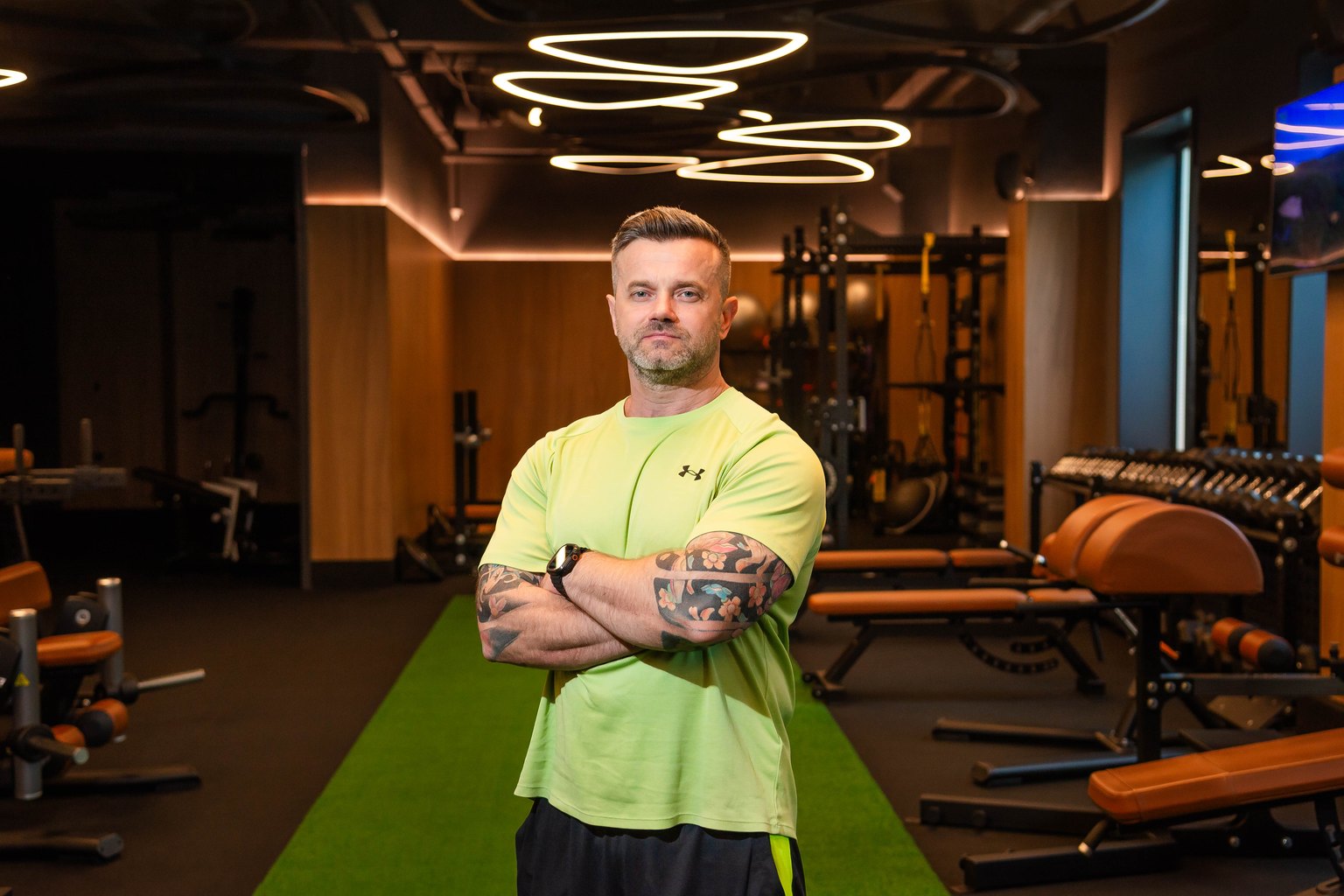
At Sandler Wellness Center, Kyiv, we develop fitness programs for women over 45, taking into account hormonal profiles, musculoskeletal health, and cortisol levels. Personal training here is not a template protocol but an individual approach to a body that has changed.
What Happens to the Body After 45: Physiology You Need to Know
Estrogen is an anabolic hormone. Few think about it, but it protects muscles from breakdown, maintains mitochondrial density in muscle cells, and reduces systemic inflammation after workouts. When estradiol levels drop from the typical 200-400 pmol/L in reproductive age to less than 73 pmol/L in postmenopause (according to the Endocrine Society of the USA, 2023), the body responds with a chain of metabolic changes.
First: protein synthesis in muscles slows down. The same training load no longer triggers the same hypertrophic response. To achieve comparable muscle growth, higher mechanical loads or longer rest periods between sets are required.
Second: bone density decreases. According to Osteoporosis International (2021), after menopause, women lose up to 2% of bone mass per year in the first 5 years. Weight training becomes not just desirable but medically necessary.
Third: the response to cortisol changes. Without the protective effect of estrogen, cortisol remains elevated longer after physical stress. Intense workouts without adequate recovery literally start to break down muscle tissue instead of building it.
Fourth, and this is often ignored: thermoregulation worsens. Hence the "hot flashes" during and after workouts, overheating, decreased endurance. This is not weakness — it is a neurovegetative response to estrogen deficiency.
Fifth: joints become more vulnerable. Collagen, which holds ligaments and cartilage, is synthesized more slowly. Knee, hip joints, and shoulders start to react with pain to loads that were previously tolerated without problems.
How to Change Workouts: Protocols and Dosage After 45
There is no room for general phrases like "move more." There are specific changes that yield measurable results.
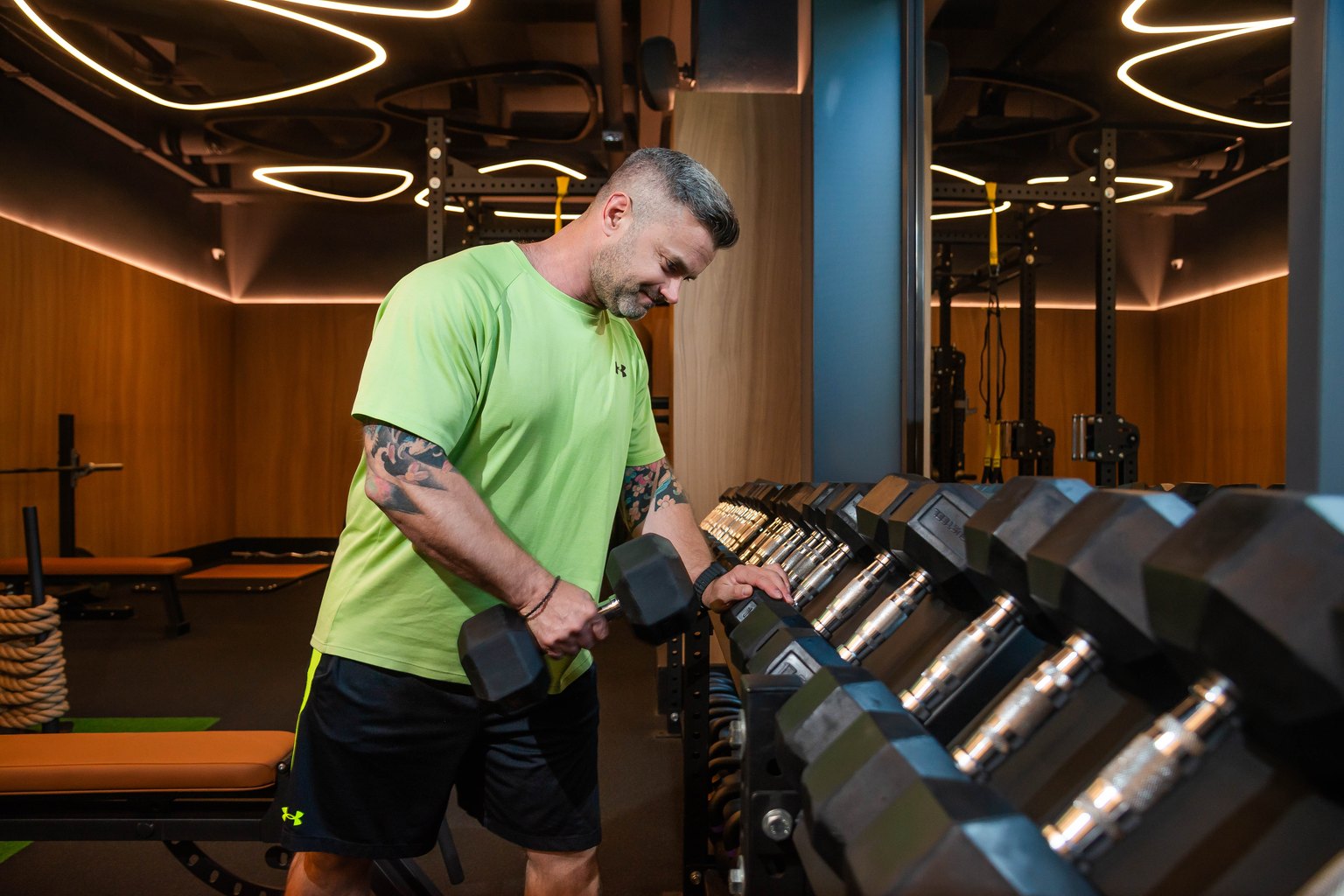
Strength training is the foundation, not an addition. This is probably the most important change in approach. If previously strength training was done twice a week, now it should be at least three times, and for women with significant muscle mass deficiency — four. A study in the American Journal of Clinical Nutrition (2021, n=512) confirmed: progressive strength training three times a week for 6 months allows women in postmenopause to gain 1.8 kg of muscle mass even without hormone therapy.
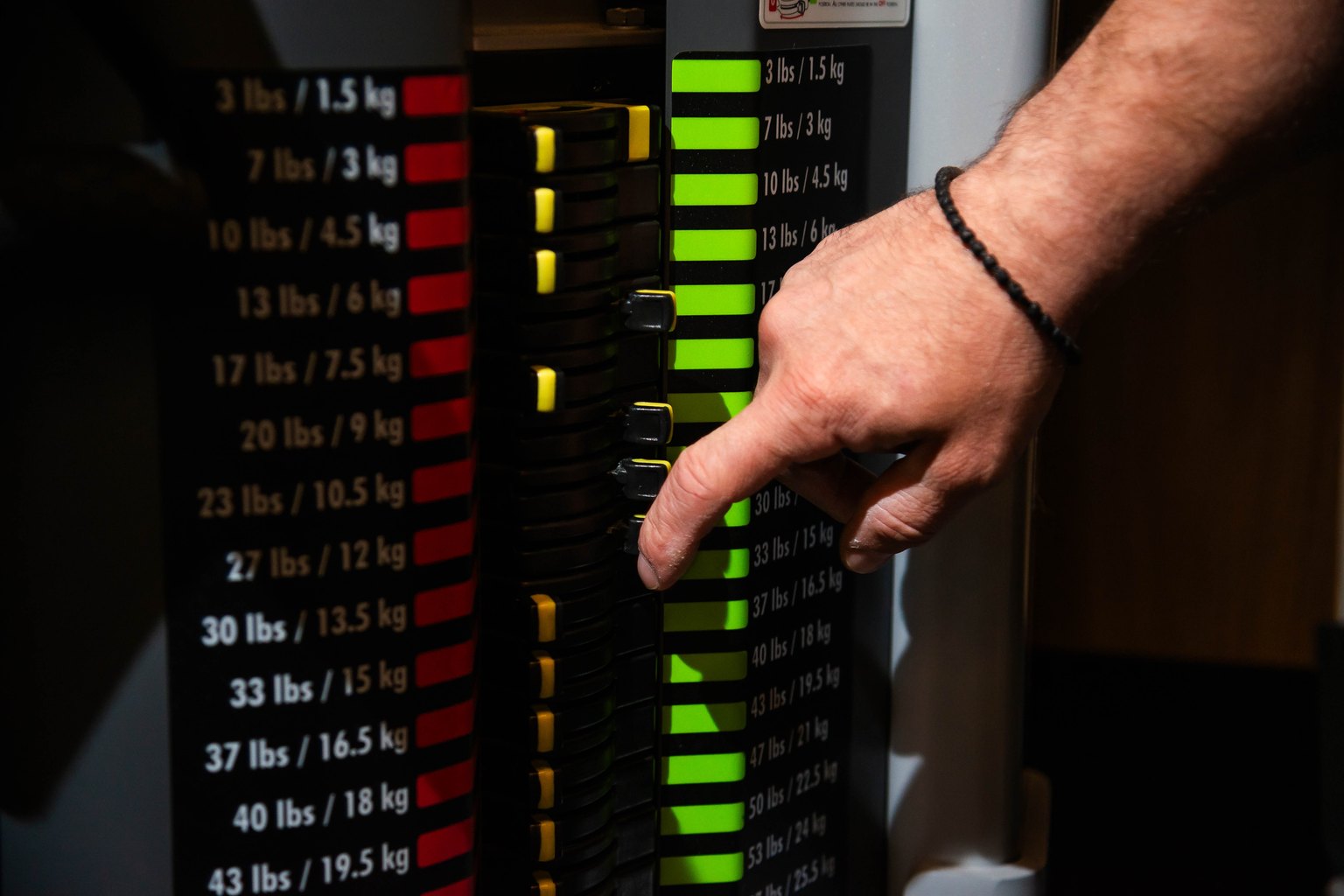
Protocol: 6-8 repetitions with 70-80% of maximum weight. Not light 2 kg dumbbells. Heavy but technically correct work. Rest between sets should be 90-120 seconds, as recovery of the neuromuscular system after 45 requires more time.
HIIT — yes, but not classical. Classical interval training in the style of "20 seconds sprint, 10 seconds rest" generates too much cortisol for women in menopause. Instead, a more effective Low-Intensity Steady State combined with short intervals: 30 seconds of effort at 80-85% of maximum heart rate, followed by 90 seconds of active recovery. No more than 20-25 minutes of such a block.
Recovery is also training. In the practice of Sandler Wellness Center, we see this constantly: women who added a day of active recovery instead of another workout have better results in strength and body composition after 8 weeks. Yoga, Pilates, stretching — not "weak" training, but a necessary element of the protocol.
Pilates and functional training gain special significance after 45. Pelvic floor muscles, deep spinal stabilizers, core muscles — they directly affect the quality of life during menopause: urinary incontinence, back pain, balance. At Sandler Wellness Center, Pilates classes in the multifunctional hall are included in rehabilitation and wellness protocols for this reason.
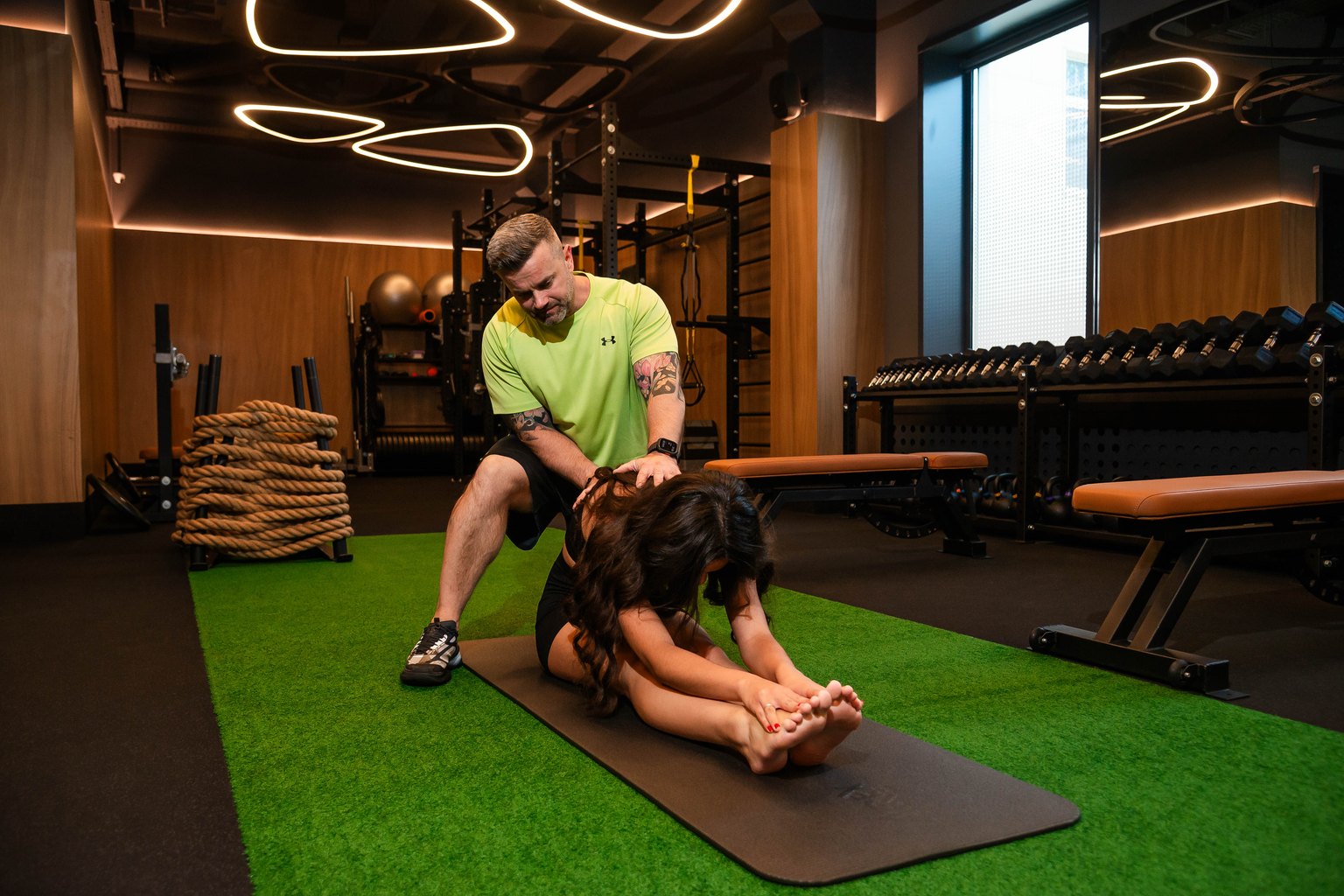
Stretching. A minimum of 15-20 minutes after each workout. Not because "that's how it's done," but because fasciae after 45 become stiffer due to decreased hyaluronic acid and collagen content. Without regular stretching, the risk of injury increases non-linearly.
Checklist for readiness to change the protocol:
- Basic tests are done (TSH, FSH, estradiol, cortisol, vitamin D)
- Level of physical fitness is determined
- Dietary plan adjusted (minimum 1.6 g of protein per kg of body weight per day)
- Chosen form of strength training (gym, TRX, functional)
- Regular stretching or Pilates planned
- Monitoring system for progress established (body composition, not just weight)
Results and Scientific Evidence: What to Expect and When
Patients often ask: "How long should I wait for results?" The answer depends on the starting point, but there are guidelines.
The first 4-6 weeks — adaptation phase. Muscle mass practically does not change, but neuromuscular coordination improves, joint pain decreases, and sleep normalizes. This is not a plateau — this is the foundation.
6-12 weeks: with the right strength training protocol and adequate protein intake, an increase in muscle mass of 0.8-1.5 kg and a decrease in fat composition of 1.5-2.5% is recorded. Data confirmed by a study in Menopause (2022, n=418), where women aged 48-58 underwent a 12-week strength training protocol.
After 6 months of systematic work, bone density increases on average by 1-2% (Journal of Bone and Mineral Research, 2020, n=756). A small number, but for women with initial osteopenia, this is critical.
Regarding menopause symptoms: a study in Climacteric (2023, n=290) showed a 39% reduction in the intensity of hot flashes in the group that regularly engaged in aerobic and strength training compared to the control group. The mechanism — normalization of endorphin levels and improved thermoregulation through trained cardiovascular systems.
In our practice at Sandler Wellness Center, results are similar: clients who adhere to a personalized protocol for 3-4 months report increased energy levels, mood stabilization, and visible changes in body composition. But I will honestly say: those who hope for results without discipline in nutrition will face disappointment.
Contraindications and Safety: What to Check Before Starting
Absolute contraindications to intense training:
- Unstable angina or a heart attack less than 6 months ago
- Severe osteoporosis (T-score below -2.5 without the accompaniment of a rehabilitation specialist)
- Uncompensated diabetes mellitus
- Hypertensive crisis or uncontrolled hypertension (pressure above 160/100 at rest)
- Acute inflammatory joint diseases in the exacerbation phase
Relative limitations, where protocol adjustments are needed: varicose veins of grade 3-4, pelvic organ prolapse, pronounced diastasis of the rectus abdominis. All of these do not exclude training but require modification of exercises and, ideally, supervision by a specialist.
Another point that is rarely discussed: the intake of certain medications for hormone therapy changes the cardiovascular system's response to loads. If you have started HRT, train in a moderate mode for the first 4-6 weeks and monitor your pulse response.
Stress urinary incontinence during jumps or running is a sign of pelvic floor weakness, not a reason to avoid physical activity. On the contrary, properly selected pelvic floor exercises solve this problem in most cases within 8-12 weeks.
Price and Registration at Sandler Wellness Center, Kyiv
At Sandler Wellness Center located at 23 Kniaziv Ostrozky St, Kyiv, personalized training programs for women over 45 are available.
Gym:
- Personal training, 60 min — 2,000 UAH
- Split training (2 clients), 60 min — 2,500 UAH
Multifunctional Hall:
- Pilates — 2,200 UAH
- Split training — 3,500 UAH
Dance Hall (stretching and balance):
- Individual stretching — 1,900 UAH
- Group stretching (3-5 participants) — 1,200 UAH per participant
If a comprehensive health assessment is needed before starting training, a consultation with an endocrinologist (3,500 UAH) and a gynecologist-endocrinologist (4,500 UAH) is available at the clinical department of Sandler Wellness Center, allowing for adjustments to the training plan based on hormonal profiles.
For women who want to start systematically, I recommend beginning with an initial consultation with a trainer, where we assess body composition, fitness level, and create an individual plan for the first 8 weeks.
You can register through the website sandler.com.ua or directly at the center.
Prices may change — please check the current cost with the administrator or at sandler.com.ua.
Frequently Asked Questions
Q: Can I do fitness during menopause if I have hot flashes and feel unwell?
A: Yes, and moderate training is one of the most effective non-pharmacological methods to reduce hot flashes. According to Climacteric (2023), regular physical activity reduces the intensity of hot flashes by 39% after 8 weeks. The main rule is to avoid overheating: train in a well-ventilated area, drink water in small sips during training, and reduce intensity on days with pronounced symptoms.
Q: Why do I train the same way as before but gain weight?
A: After 45, the resting metabolism slows down by an average of 10-15%, and the decrease in estrogen levels accelerates the accumulation of visceral fat. The same training volume with the same nutrition no longer provides energy balance. Additionally, without sufficient strength load, muscle mass decreases, further slowing down the basal metabolism. The solution: increase the frequency of strength training to 3-4 times a week and raise protein intake to 1.6-2 g per kg of body weight.
Q: At what age should I change my training approach — from 45 or from the onset of menopause?
A: It is optimal to start adapting as early as 42-44 years, in the perimenopausal phase, when hormonal fluctuations are just beginning. The earlier you introduce strength training and adequate protein intake, the more muscle mass and bone density you will retain by the time estrogen drops significantly. If menopause has already occurred — it is not too late, just the starting point is different.
Q: Is running safe after 45 if my knees hurt?
A: Running itself is not harmful, but it is not suitable for everyone and is not always a priority at this age. If there is knee pain, you should first restore the strength of the quadriceps and gluteal muscles — this reduces the load on the joint. Start with walking and cycling on a stationary bike, gradually adding running in short segments. In cases of osteopenia or confirmed osteoporosis — a consultation with an orthopedist is mandatory before starting impact loads.
Q: How many times a week and how many minutes should I train during menopause?
A: The optimal protocol, confirmed by research: 3 strength training sessions per week for 45-60 minutes plus 2 sessions of moderate-intensity cardio for 30-40 minutes (walking, swimming, cycling). One or two recovery days — do not skip. The total weekly volume of 150-200 minutes of moderate intensity corresponds to the WHO recommendations (2023) for women in this age group.
Q: Does Pilates help during menopause?
A: Pilates during menopause is effective primarily for strengthening pelvic floor and core muscles, improving posture, and reducing back pain. According to Menopause (2021, n=200), 12 weeks of Pilates reduced the intensity of menopause symptoms by 31% and improved sleep quality in 68% of participants. It does not replace strength training but is an excellent complement and a standalone recovery tool.
Conclusion
Fitness during menopause is not about less work. It is about smarter work. Strength training, adjusted cardio, Pilates, and stretching in the right proportion allow you to maintain muscle mass, protect bones, stabilize weight, and significantly improve the quality of life, which women after 45 often unjustly dismiss as "not what it used to be."
The key is personalization. What works for one may harm another. That is why at Sandler Wellness Center located at 23 Kniaziv Ostrozky St, Kyiv, we approach each client individually: analyzing health status, considering hormonal background, and building a plan that is realistic to implement and achieve results.
If you want to start or restructure your training process according to the new needs of your body — sign up for a trainer consultation through sandler.com.ua. This is the first step that distinguishes those who change their approach and see progress from those who have been hitting the wall with the same protocol for years.