I get asked this question at least twice a week. A client comes in with a photo from Instagram, shows the "melted" hair effect, and says, "I want it like this. Is it balayage or AirTouch?" The answer is not as simple as it seems.
Both techniques yield a similar visual result — a smooth transition from dark roots to light ends. However, the application mechanics, final texture, and longevity of the results differ significantly. The confusion is understandable: on social media, both options are often labeled as "balayage." But for your hair and your wallet, the difference is substantial.
At Sandler Wellness Center, we perform both procedures, and I see how the right choice of technique affects the result for 4-6 months after coloring. The wrong choice — unfortunately, as well. That’s why I decided to write a detailed analysis: without marketing, with mechanisms and real indications.
According to a study published in the International Journal of Cosmetic Science (2022, n=412), gradient lightening techniques account for over 43% of all requests for complex coloring in the premium segment of Europe. In Ukraine, this figure is rising every year. Both methods require an experienced master — a mistake in technique leads to uneven lightening, which is more expensive to correct than to do from scratch.
Here, at 23 Kniaziv Ostrozky St, Kyiv, at Sandler Wellness Center, we select the technique after assessing the hair structure, base color, and desired result. This is not a formality.
What is Balayage and How Does it Really Work
Balayage (from the French balayage — "to sweep") originated in Paris in the 1970s. The technique is manual: the master applies the lightening mixture with a brush directly onto the surface of the strands, without foil. The key point is uneven saturation: the roots of the strand remain untouched, while the middle and ends receive the maximum concentration of the lightener.
The physics of the process is simple. Since there is no foil, heat does not accumulate, and the oxidation reaction occurs more slowly. The master controls the intensity manually — more or less pressure with the brush. The result: soft, organic lightening that resembles natural sun-bleached hair.
What does this mean for the hair? The lightening is even but limited. Classic balayage typically lifts the tone by 2-3 levels. If the starting hair is dark brown or black, achieving a bright platinum effect in one session is not possible. Trying to do so would damage the structure.
An important nuance regarding the texture of the result: balayage provides thin, "airy" transitions. If someone shows you a photo of a sharp ombre and calls it balayage — you are either looking at unprofessional execution or a different technique.
The retention period for balayage is 3-4 months until the first correction. The growth of roots fits into the technique naturally, which is one of its main advantages. A study published in Cosmetics & Toiletries Journal (2021) found that 67% of clients with balayage postpone their salon visits for 1-2 weeks longer compared to classic coloring due to the unobtrusive regrowth.
What is AirTouch and How is it Technically Different
AirTouch is a significantly newer technique. Developed in the 2010s, it is patented as a method using a stream of air from a hairdryer. This is the key difference from balayage.
Here’s how it looks in practice. The master takes a strand and directs a stream of cold air from the hairdryer onto it. The air literally selects short, damaged, and weak hairs from the strand and blows them away. Only long, straight, healthy hairs remain on the strand. The lightener is then applied to these.
What happens next? The foil ensures even heat accumulation, making the lightening process more intense and controlled. The result is a clearer, glassier, more pronounced transition. The ends of the hair can be lightened by 4-6 tones from the base color.
Key differences from balayage:
- Balayage: brush without foil, soft contact, slow oxidation, organic effect
- AirTouch: hairdryer + foil, selective hair picking, more intense lightening, "glass" effect
Another practical point: since AirTouch selects only healthy hairs and does not touch weak ones, the procedure is gentler for damaged hair in a certain sense. However, the lightener in foil still acts more intensely than with balayage without foil. Therefore, the condition of the hair before the procedure matters for both techniques.
→ See also: Root Zone Coloring in Kyiv: How Often to Do It and How Much It Costs
Indications: Who and What is Actually Suitable
Patients often ask me: "Which is better?" This is the wrong question. The right one is: "What is better for my hair and my result?"
Here are specific criteria for choosing.
Balayage is suitable for you if:
- Base color: from light brown to dark blonde (level 3-5)
- Goal: natural, unobtrusive "summer sun-bleached" effect
- Hair: damaged, fine, prone to dryness
- Budget for maintenance: you are ready to correct every 3-4 months
- Style: bohemian, casual, minimalist
- Regrowth does not bother you — it fits into the technique organically
AirTouch is suitable for you if:
- Base color: dark brown or bright (level 4-7)
- Goal: pronounced contrast, "glass" hair, clear transition
- Hair: healthy or medium porosity
- You want maximum visual effect in one session
- You are ready for intensive care after the procedure
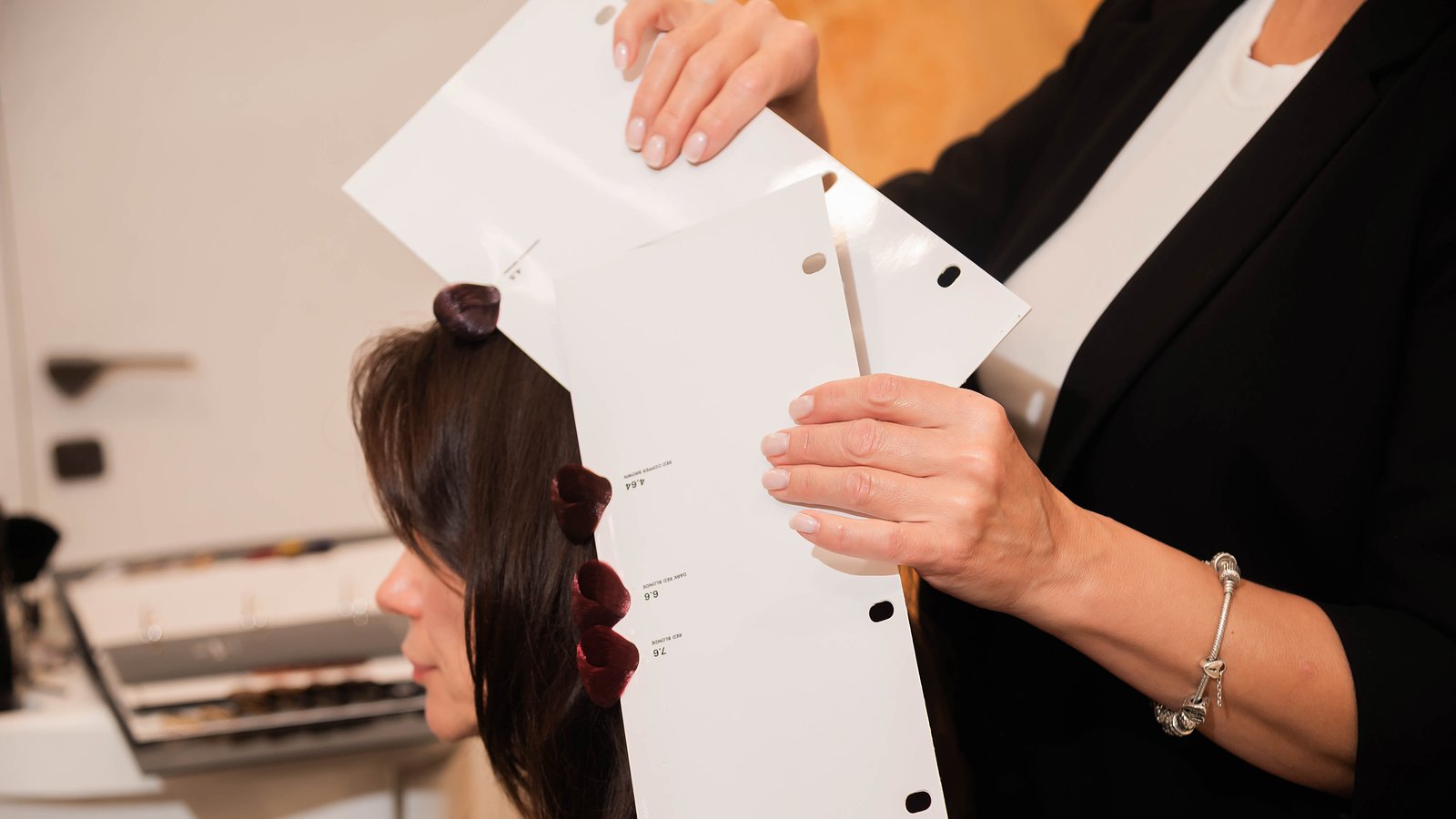
In our practice at Sandler Wellness Center, we assess the condition of the hair before any complex technique. This is not just an inspection — the master checks elasticity, porosity, and the degree of previous chemical load. This determines what concentration of lightener we choose and whether preliminary restoration is needed.
Results and Real Expectations
I will be honest: social media creates unrealistic expectations for both techniques.
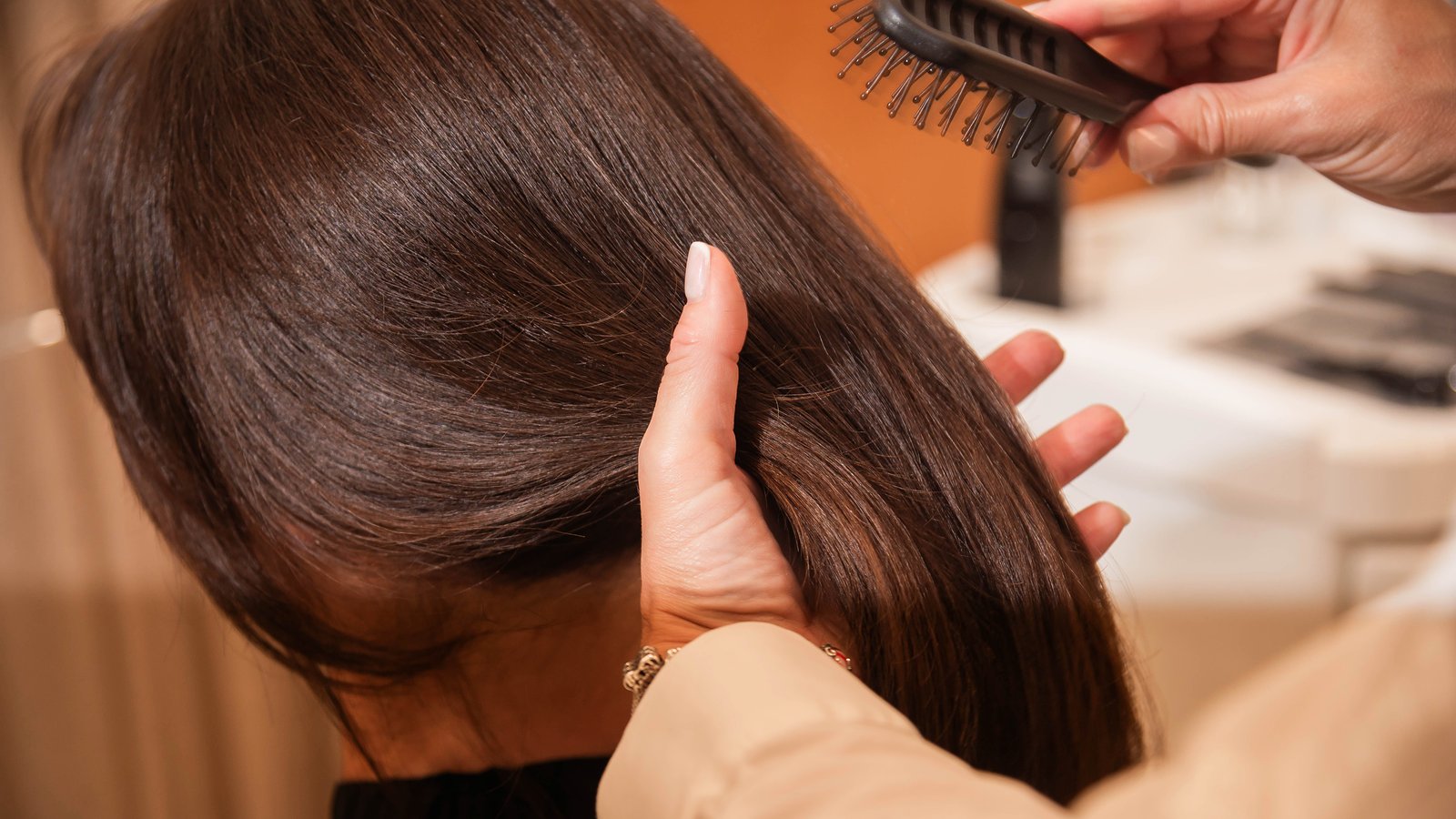
With balayage, the result immediately after the procedure looks more subdued than in the Instagram photos. The full "wow effect" reveals itself after the first styling — when the hair is dry and lays beautifully. According to a survey by Cosmetics & Toiletries (2022, n=318), 74% of clients rated the result of their first balayage higher than expected, specifically after styling, not immediately in the chair.
With AirTouch, the result is brighter right away. The contrast effect is noticeable even on wet hair. However, after 4-6 weeks, the regrowth of roots will be more noticeable than with balayage.
Real timelines:
| Indicator | Balayage | AirTouch |
|---|---|---|
| Tone lift | 2-3 levels | 4-6 levels |
| Regrowth correction | 3-4 months | 2-3 months |
| Procedure time | 2-3 hours | 3-4.5 hours |
| Noticeability of regrowth | minimal | moderate |
AirTouch requires more active toning: every 6-8 weeks, a toner refreshes the cool shades. Without toning, the result warms up and becomes "dirty." This is not a drawback — it is a feature of the technique that needs to be factored into the budget and time.
Contraindications and Safety — What’s Rarely Discussed
Both techniques are safe when performed correctly. However, there are absolute contraindications that the master must check before starting.
Absolute contraindications:
- Pregnancy (first trimester) and breastfeeding — systemic absorption of the components of the lightener is still not completely ruled out
- Allergy to persulfates (found in most lightening powders). According to the European Journal of Dermatology (2020), allergy to persulfates occurs in 1.7% of the population and is often undiagnosed
- Active scalp disease — psoriasis in the exacerbation phase, seborrheic dermatitis with erosions
- Chemotherapy history (less than 12 months)
What is important to know before the procedure:
A preliminary sensitivity test is mandatory. Even if you have colored your hair before. An allergic reaction can develop after previous asymptomatic contacts — this is the mechanism of sensitization.
AirTouch, due to the longer contact of the foil with the scalp, requires a more thorough check of skin sensitivity than balayage. This does not make the technique more dangerous — it is a requirement of the protocol.
→ See also: Hair Bleaching Without Damage: Is It Possible or Not? — A Creative Director Answers
Price and Booking at Sandler Wellness Center, Kyiv
Sandler Wellness Center offers both coloring techniques at official prices.
AirTouch — 15,750 UAH, or 18,150 UAH with an expert-level master.
This price includes the work of a certified master and the lightening mixture. The session lasts from 3 to 4.5 hours, depending on the length and density of the hair.
Complex coloring technique (classic balayage) falls into the category of complex coloring techniques. The cost depends on the length of the hair:
- up to 20 cm: 6,000 UAH, or 7,150 UAH with an expert-level master
- over 20 cm: 8,650 UAH, or 9,950 UAH with an expert-level master
If you need a combination of the root area with a complex technique (a popular request for dark hair), the cost is calculated separately — 6,850 UAH.
For new clients, we recommend starting with a consultation with the master to choose the technique based on your hair's current condition and desired result. You can book an appointment at sandler.com.ua or directly at: 23 Kniaziv Ostrozky St, Kyiv.
Prices may change — please confirm the current cost with the administrator or on sandler.com.ua.
Frequently Asked Questions (FAQ)
Q: What is the main difference between AirTouch and balayage?
A: AirTouch uses a stream of air from a hairdryer to select healthy hairs from the strand, which are then lightened in foil — the result is more intense, with a lift of up to 4-6 tones, and a clear "glass" transition. Balayage is a manual application with a brush without foil, providing soft natural lightening of 2-3 tones, similar to sun-bleached hair. Both techniques give a gradient effect, but with different saturation and texture.
Q: Which lasts longer — balayage or AirTouch?
A: Balayage lasts longer without noticeable regrowth: 3-4 months until the first correction, as dark roots fit into the technique naturally. AirTouch provides a brighter result, but due to the greater contrast, regrowth becomes noticeable after 2-3 months. Both options require toning every 6-8 weeks to maintain cool shades.
Q: Can AirTouch be done on dark or black hair?
A: Yes, but with caution. AirTouch lifts the tone more intensely than classic balayage and is suitable for dark brown hair (level 4-7). On black hair (level 1-3), achieving a platinum effect in one session without damage is impossible. Masters at Sandler Wellness Center develop a phased protocol with intermediate restorative procedures in such cases.
Q: Which technique is less damaging to the hair?
A: Mechanically, balayage is less aggressive — lightener without foil, slower oxidation, lower tone lift. AirTouch theoretically spares damaged hairs (blowing them away), but foil provides a more intense thermal effect on those being lightened. According to the Journal of Cosmetic Dermatology (2021, n=156), hair porosity after AirTouch was 18% higher compared to balayage — but with the correct restoration protocol, the difference is neutralized within 4-6 weeks.
Q: How long does the AirTouch procedure take in the salon?
A: A full AirTouch session at Sandler Wellness Center takes from 3 to 4.5 hours. This includes preparation, the actual coloring, toning, and basic care. Balayage usually takes 2-3 hours. Allow extra time and do not plan a tight schedule after your visit.
Q: Can AirTouch be combined with restorative procedures?
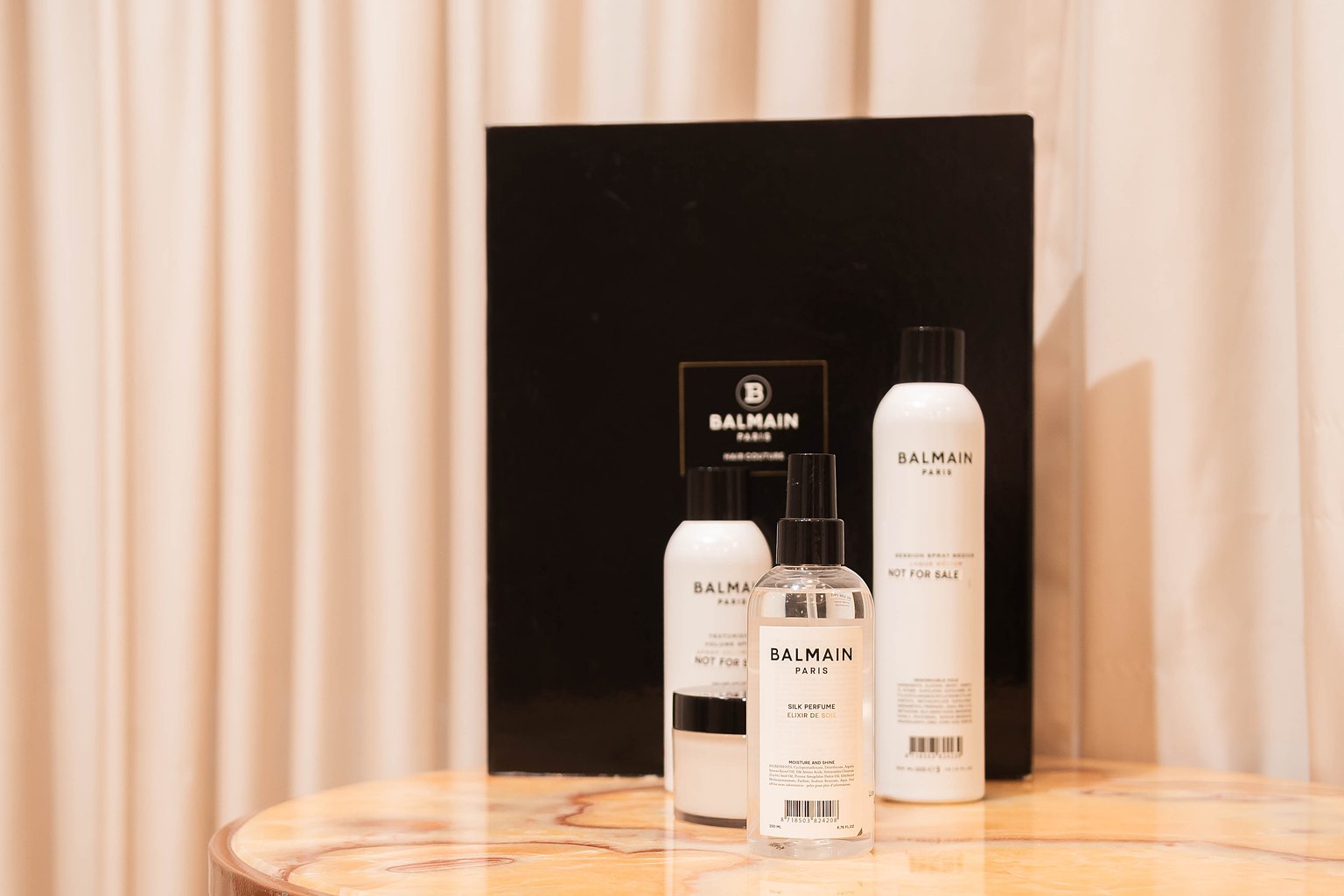
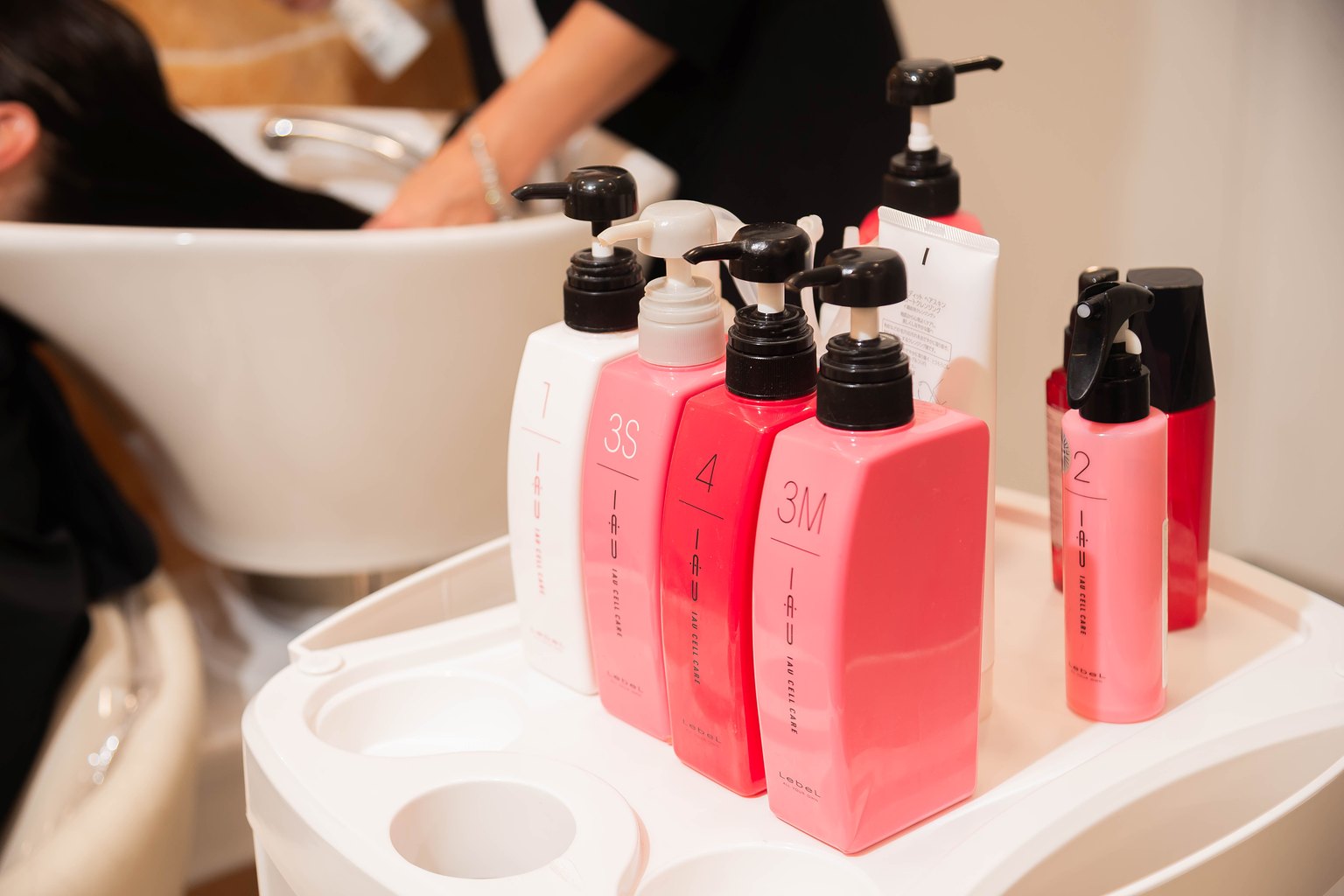
A: Yes, and we recommend it. At Sandler Wellness Center, we offer restorative rituals like Balmain or Lebel after AirTouch. This significantly reduces porosity after lightening and prolongs color brightness.
Conclusion
AirTouch vs balayage is not a question of "better or worse." It is a question of matching the technique to your hair, your goal, and your lifestyle. Balayage provides a natural, forgiving result with minimal impact on the structure. AirTouch offers maximum expressiveness and contrast for those who are ready to actively maintain the result.
At Sandler Wellness Center, located at 23 Kniaziv Ostrozky St, Kyiv, we do not assign a technique based on a Pinterest photo. First — an assessment of the hair condition, base color, and realistic expectations. Then — a decision. This takes 15 minutes of consultation but saves months of corrections.
If you have been thinking about AirTouch or balayage and cannot decide — book a consultation. More details about services and booking: sandler.com.ua.