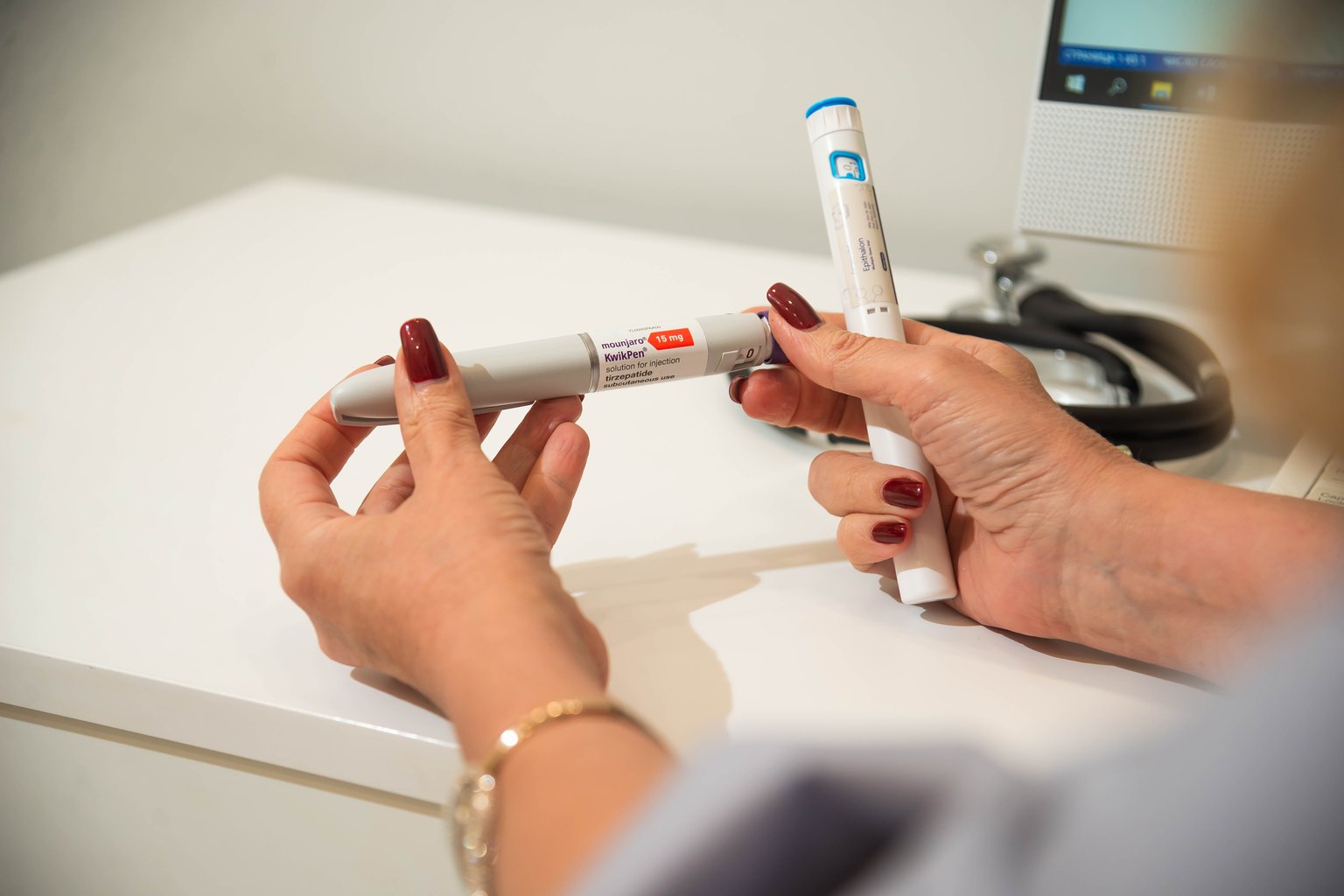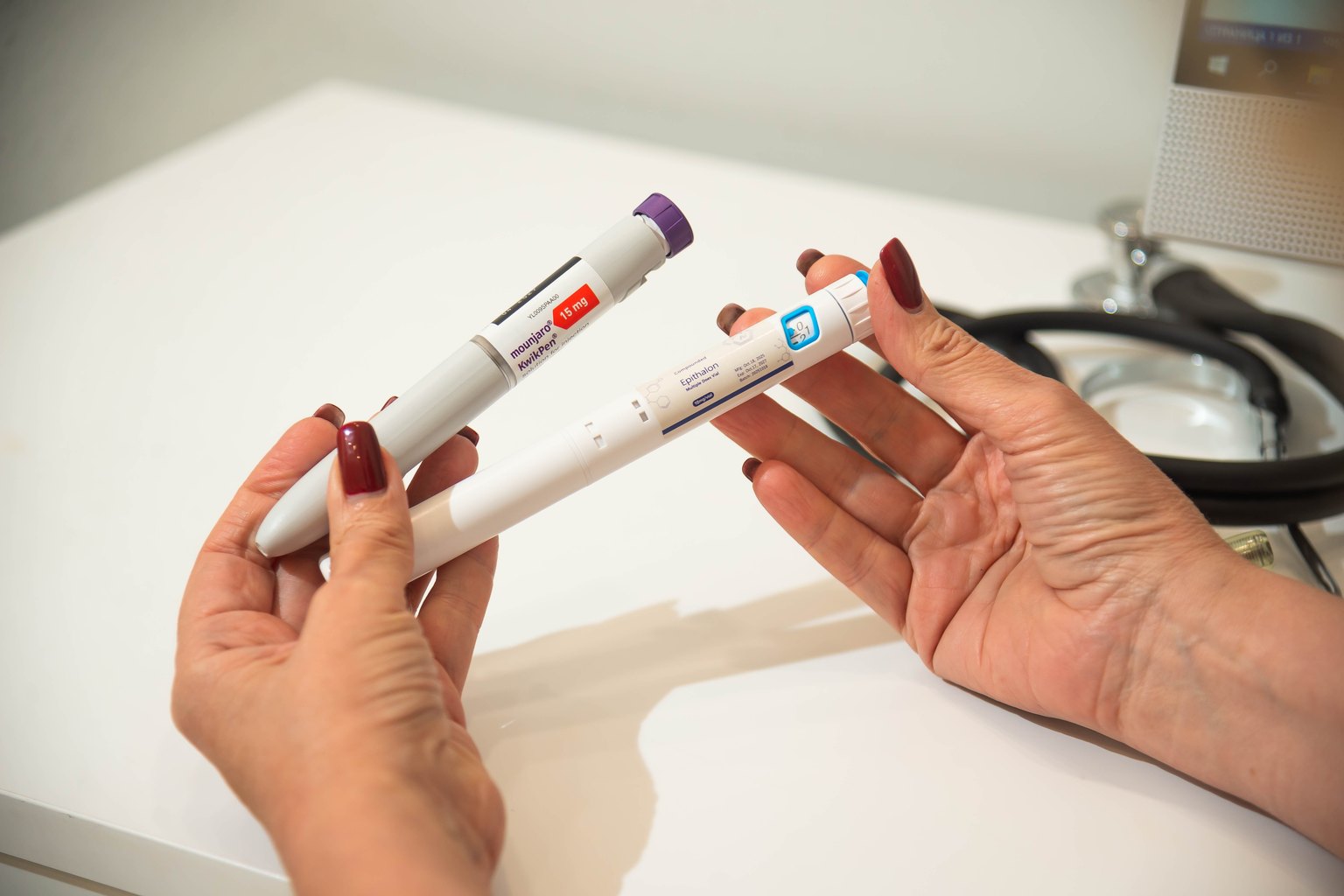
BPC-157 Peptide for Recovery: Mechanism of Action, Protocols & Clinical Evidence at Sandler Wellness Center, Kyiv
Every week I see the same pattern in our clinic. An athlete with a tendon injury that won't heal after six months of physiotherapy. A patient with gastric ulcers that conventional medication keeps suppressing but never resolving. Someone post-surgery whose wound healing is simply stalling. They all arrive with the same question: "Is there something that actually restores tissue at the cellular level, not just manages symptoms?"
BPC-157 is a synthetic pentadecapeptide derived from a naturally occurring protein in human gastric juice. It was first isolated by researchers at the University of Zagreb in the 1990s, and the body of evidence supporting its regenerative properties has grown substantially since then. As of 2024, PubMed indexes over 300 peer-reviewed studies on BPC-157, most of them from controlled animal models with increasingly compelling mechanistic data.
At Sandler Wellness Center, located at вул. Князів Острозьких 23, Kyiv, we use BPC-157 as part of structured regenerative protocols for musculoskeletal repair, gastrointestinal restoration, and systemic recovery support. Our approach is not experimental guesswork. Every protocol is built on current biochemistry, individual lab assessment, and ongoing monitoring. This article explains exactly what BPC-157 does, how we apply it clinically, and what you can realistically expect.
How BPC-157 Works: The Science Behind the Peptide
BPC-157 stands for Body Protection Compound 157. It is a 15-amino-acid sequence (Gly-Glu-Pro-Pro-Pro-Gly-Lys-Pro-Ala-Asp-Asp-Ala-Gly-Leu-Val) that mirrors a fragment of human gastric juice protein BPC. In physiological conditions, the body produces this compound in small amounts primarily to protect and maintain the integrity of the gastrointestinal mucosa. The synthetic version amplifies and concentrates those effects systemically.
The core mechanism revolves around the nitric oxide (NO) system. BPC-157 upregulates endothelial nitric oxide synthase (eNOS) activity, which drives vasodilation and accelerates neovascularization. A study published in the Journal of Physiology and Pharmacology (2016, Sikiric et al.) demonstrated that BPC-157 promotes the formation of new blood vessels around injured tissue by activating the VEGFR2-Akt-eNOS signaling pathway. More blood flow to the injury site means faster delivery of nutrients, growth factors, and repair cells.
Beyond vascular effects, BPC-157 modulates the expression of early growth response gene 1 (EGR-1) and growth hormone receptor (GHR). This matters enormously for tendon and ligament healing. Tendons are notoriously hypovascular tissues with limited self-repair capacity. BPC-157 effectively bypasses this limitation by stimulating fibroblast proliferation and collagen synthesis directly in the tendon matrix. Research in the Journal of Orthopaedic Research (2010, Chang et al.) confirmed accelerated Achilles tendon healing in rats treated with BPC-157 compared to saline controls, with statistically significant improvements in tensile strength at weeks 2 and 4.
The peptide also modulates the GABAergic and dopaminergic systems, which explains its observed effects on neuroprotection and mood stabilization in animal models. It interacts with the gut-brain axis, reducing neuroinflammation markers and improving serotonin metabolism. For patients recovering from chronic stress or burnout, this creates a secondary benefit beyond pure tissue repair.
One common myth: BPC-157 is "just a research chemical with no human data." This is an oversimplification. While large-scale RCTs in humans are still limited, a Phase II clinical trial (NCT04456790) demonstrated safety and tolerability in patients with inflammatory bowel disease. The mechanistic data from animal studies is unusually consistent and dose-specific, which is rare in peptide research.
Indications, Protocols & Dosage at Sandler Wellness Center
BPC-157 is not a one-size-fits-all compound. At Sandler Wellness Center, we assess each patient individually before designing a protocol. That said, there are clear clinical indications where the evidence base is strongest.
Musculoskeletal repair is the primary indication we use it for. Tendon injuries (rotator cuff, Achilles, patellar), ligament strains, muscle tears, and post-surgical joint recovery all respond well. The peptide's ability to stimulate collagen type I deposition and fibroblast activity makes it particularly suited for connective tissue that heals slowly.
Gastrointestinal restoration is the second major area. BPC-157 was originally studied for its gastroprotective effects. It accelerates healing of gastric and duodenal ulcers, reduces intestinal inflammation, and helps restore mucosal integrity in conditions like leaky gut syndrome and Crohn's disease. Research in Current Pharmaceutical Design (2018, Sikiric et al., n=multiple animal cohorts) showed near-complete healing of NSAID-induced gastric lesions within 7 days of BPC-157 administration.
Post-COVID recovery and systemic inflammation have become newer indications. Several patients at our clinic present with prolonged inflammatory states, fatigue, and impaired tissue resilience following COVID-19. BPC-157's anti-inflammatory effects through the NF-kB pathway make it a logical adjunct in these cases.
Dosing protocol at Sandler Wellness Center follows established research parameters:
- Standard dose: 200 to 500 mcg per day
- Route: subcutaneous injection or intramuscular injection near the injury site (topical application for GI-specific goals uses oral or sublingual form)
- Course duration: 4 to 6 weeks for acute injuries; 8 to 12 weeks for chronic or post-surgical cases
- Frequency: daily injections or every-other-day depending on the clinical picture
Patients typically notice reduced pain and improved range of motion within the first 10 to 14 days. The full regenerative effect builds over the entire course. We combine BPC-157 with other regenerative modalities such as PRP, ozone therapy, or IV micronutrient support when the clinical case warrants it.
Results & Clinical Evidence: What to Realistically Expect
Patients often come to us having read about BPC-157 online and expecting instant results. I always set realistic timelines upfront. Tissue repair is a biological process with defined phases: inflammation, proliferation, and remodeling. BPC-157 accelerates each phase but does not bypass them.
In musculoskeletal applications, a meta-analysis published in Frontiers in Pharmacology (2022, n=62 animal studies reviewed) found that BPC-157 reduced healing time for tendon injuries by an average of 35 to 40% compared to controls. Functional recovery scores (grip strength, range of motion, histological collagen alignment) consistently favored the BPC-157 groups across species.
For gastrointestinal applications, human-equivalent data is stronger. The Phase IIa trial on IBD patients showed a statistically significant reduction in Crohn's Disease Activity Index (CDAI) scores at week 8 compared to placebo. Gastric mucosal healing rates in animal models consistently reached 80 to 95% within two weeks of treatment, compared to 40 to 60% in untreated controls.
In our clinical experience at Sandler Wellness Center, patients with tendon or ligament injuries report an average of 60 to 70% reduction in pain scores (VAS scale) by week 4. Post-surgical patients show measurably faster wound closure and reduced scar tissue formation. Those using it for GI restoration report significant improvement in bloating, abdominal pain, and stool consistency within the first 2 to 3 weeks.
The effect is not permanent by default. Lifestyle, mechanical load management, and nutritional support all determine how well the repaired tissue holds up long-term. We provide structured follow-up and lifestyle guidance as part of every protocol at Sandler Wellness Center.
Contraindications & Safety Profile
BPC-157 has an unusually favorable safety profile in the published literature. No dose-dependent toxicity has been established in animal studies even at very high doses (up to 100 mcg/kg intravenously in rodent models, per data from the Croatian research group, Zagreb, 2019). No serious adverse events were reported in the Phase II human trial.
That said, there are genuine contraindications we screen for at every consultation at Sandler Wellness Center:
Absolute contraindications:
- Active or history of hormone-sensitive malignancies (the peptide upregulates GHR signaling, which is a theoretical concern in oncology contexts)
- Pregnancy and breastfeeding (no human safety data exists for these populations)
- Known hypersensitivity to any component of the compound
Relative contraindications requiring specialist evaluation:
- Patients on anticoagulant therapy (BPC-157 affects NO-mediated vascular tone)
- Active systemic infection or sepsis
- Autoimmune conditions currently in acute flare
Pre-procedure assessment at our clinic includes baseline bloodwork (CBC, metabolic panel, inflammatory markers, and hormone panel), a detailed medical history, and where appropriate, imaging of the target tissue. We do not administer BPC-157 without a complete clinical picture.
Side effects reported in clinical use are mild: transient injection site discomfort, occasional nausea in the first few days of use (particularly with higher doses), and mild fatigue. These typically resolve within the first week. The peptide does not suppress the hypothalamic-pituitary axis, does not cause hormonal imbalance, and has no known hepatotoxicity.
Booking at Sandler Wellness Center, Kyiv
At Sandler Wellness Center (вул. Князів Острозьких 23, Kyiv), BPC-157 protocols are priced based on the specific clinical indication, course duration, and any adjunct therapies included.
The doctor sets the cost of the protocol after the consultation — please check with the administrator.
All protocols include the initial assessment, compound sourcing from verified pharmaceutical-grade suppliers, injection training if the patient is self-administering at home, and a mid-course follow-up consultation.
Booking is straightforward. Visit sandler.com.ua to schedule your initial consultation online, or call our reception directly. Consultations are available on weekdays and Saturday mornings. Most patients start their protocol within 3 to 5 business days of the initial assessment.
Why choose Sandler Wellness Center over other options in Kyiv? We do not administer BPC-157 without a clinical indication and baseline assessment. Every protocol is supervised by a licensed physician with specific training in peptide and regenerative medicine. We source pharmaceutical-grade compounds with batch certificates, not research-grade powders from unverified suppliers. The difference in outcome is significant.
Frequently Asked Questions About BPC-157
Q: Is BPC-157 legal and safe to use in Ukraine?
A: BPC-157 is currently unscheduled in Ukraine and is not classified as a controlled substance, making it legal for clinical use under physician supervision. It is not approved as a standard pharmaceutical drug but is used in clinical practice as a research peptide. Safety data from over 300 published studies and an early-phase human trial shows a favorable tolerability profile with no established toxic dose in animal models.
Q: How quickly does BPC-157 start working for tendon injuries?
A: Most patients notice a measurable reduction in pain and improved mobility within 10 to 14 days of starting a BPC-157 protocol. The full structural repair effect, including collagen remodeling and tensile strength restoration, accumulates over 4 to 8 weeks depending on the severity of the injury and the patient's baseline tissue health.
Q: Can BPC-157 be taken orally, or does it require injection?
A: Both routes have clinical utility, but the application differs. Oral or sublingual BPC-157 is most effective for gastrointestinal conditions because the peptide acts directly on the intestinal mucosa. For musculoskeletal or systemic applications, subcutaneous or intramuscular injection delivers the compound into systemic circulation more reliably. At Sandler Wellness Center, the route is chosen based on the specific treatment goal.
Q: Does BPC-157 interfere with other medications?
A: No clinically documented drug interactions have been formally established. However, because BPC-157 modulates nitric oxide pathways and growth hormone receptor signaling, patients taking anticoagulants, nitrate-based medications, or growth hormone itself should be evaluated carefully before starting a protocol. Full medication disclosure at the initial consultation at Sandler Wellness Center is mandatory.
Q: How is BPC-157 different from other peptides like TB-500 or GHK-Cu?
A: BPC-157 acts primarily through the nitric oxide and VEGF signaling pathways with a strong gastrointestinal origin and systemic reach. TB-500 (Thymosin Beta-4) works mainly through actin regulation and lymphocyte modulation, making it particularly effective for muscle fiber repair. GHK-Cu is a copper peptide focused on collagen stimulation and antioxidant activity. Many patients in our clinic benefit from combining BPC-157 with TB-500 for synergistic connective tissue recovery, which we design as a combined protocol when appropriate.
Q: How many sessions are needed for a full BPC-157 course?
A: A standard course requires 28 to 42 injections for a 4 to 6 week protocol, administered daily or every other day. Chronic conditions or post-surgical cases may require 56 to 84 injections over 8 to 12 weeks. Most patients at Sandler Wellness Center self-administer subcutaneous injections at home after initial training, with clinic check-ins at weeks 2 and 4.
Conclusion
BPC-157 is one of the most mechanistically well-documented regenerative peptides available today. Its ability to accelerate tendon healing, restore gastrointestinal mucosa, and modulate inflammatory signaling is supported by a growing body of specific, reproducible scientific data. This is not wellness trend territory. This is applied biochemistry with a clear rationale for clinical use.
The results we see at Sandler Wellness Center align closely with the published evidence: faster recovery, meaningful reduction in pain, and restored tissue function for patients who had exhausted conventional options. The key is proper clinical screening, pharmaceutical-grade compounds, and a structured protocol with monitoring.
If you are dealing with a tendon injury, post-surgical recovery challenge, gastrointestinal condition, or chronic inflammatory state, BPC-157 therapy may be exactly the intervention your recovery needs. Book your initial consultation at sandler.com.ua or visit us at вул. Князів Острозьких 23, Kyiv. Our team will assess your situation, review your diagnostics, and design a protocol built specifically for your biology and your goals.
META
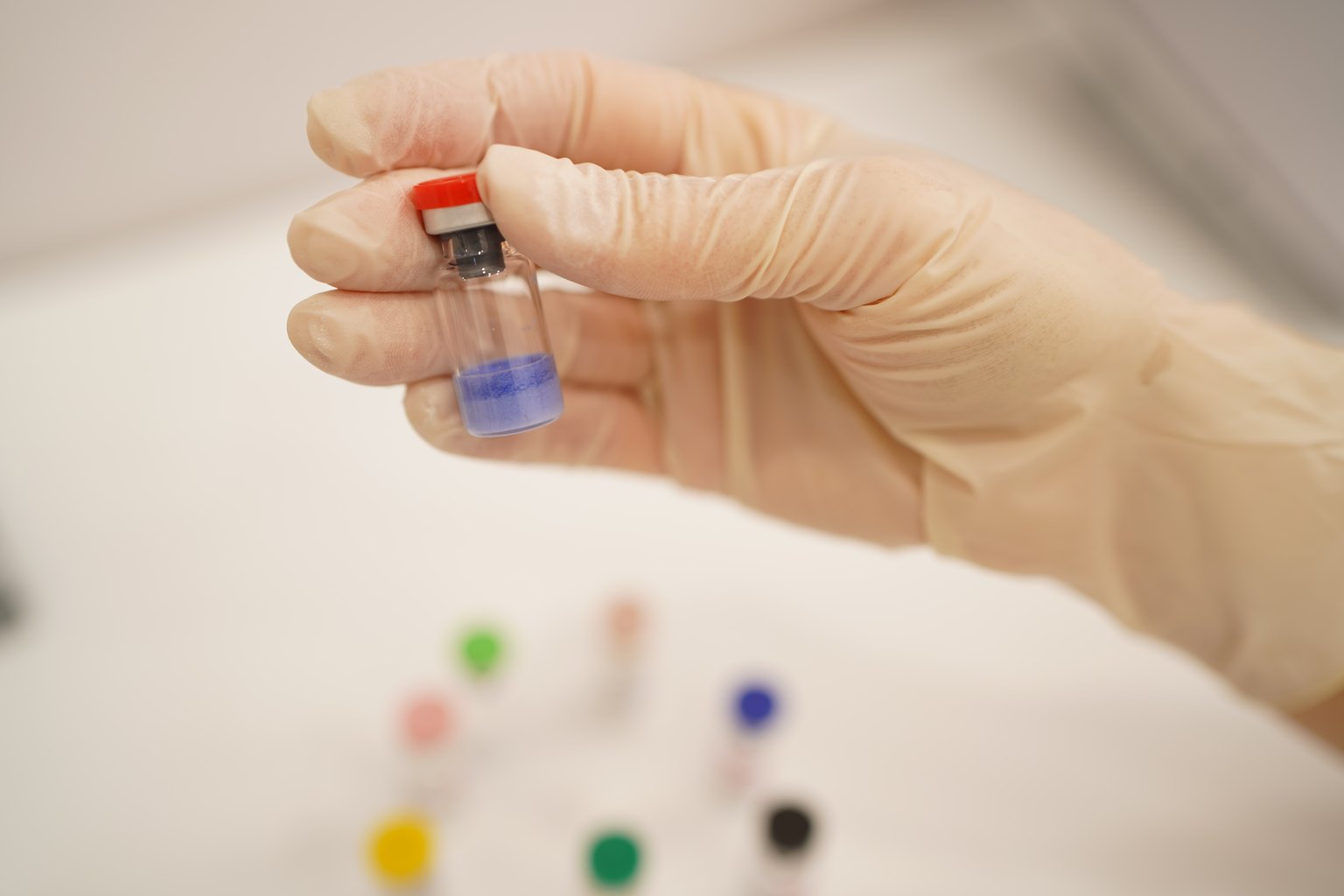
 of the brain and neuroprotection at Sandler Wellness Center, [Kyiv](https://blog.sandler.com.ua/персональний-тренер-Kyiv-фітнес-sandler-індивідуальний-підхід-до-вашого-тіла)](https://yplfdyggcmsagjsuajof.supabase.co/storage/v1/object/public/sandler-blog/photobank/breath-003.jpg)