Melanotan II for Tanning: Effects, Real Risks, and What Every Patient Must Know Before Use
Patients walk into Sandler Wellness Center every week asking the same question: "I heard about a tanning peptide that actually works, but is it safe?" They're talking about Melanotan II. And the honest answer requires more than a yes or no.
Melanotan II (MT-II) is a synthetic analogue of alpha-melanocyte-stimulating hormone (α-MSH), a naturally occurring peptide that regulates skin pigmentation, appetite, and sexual function. It was originally developed at the University of Arizona in the 1980s as a potential photoprotective agent, the idea being that stimulating melanogenesis could protect fair-skinned populations from UV-induced skin damage. The research was legitimate. The compound is genuinely pharmacologically active. That's exactly what makes unregulated self-administration so concerning.
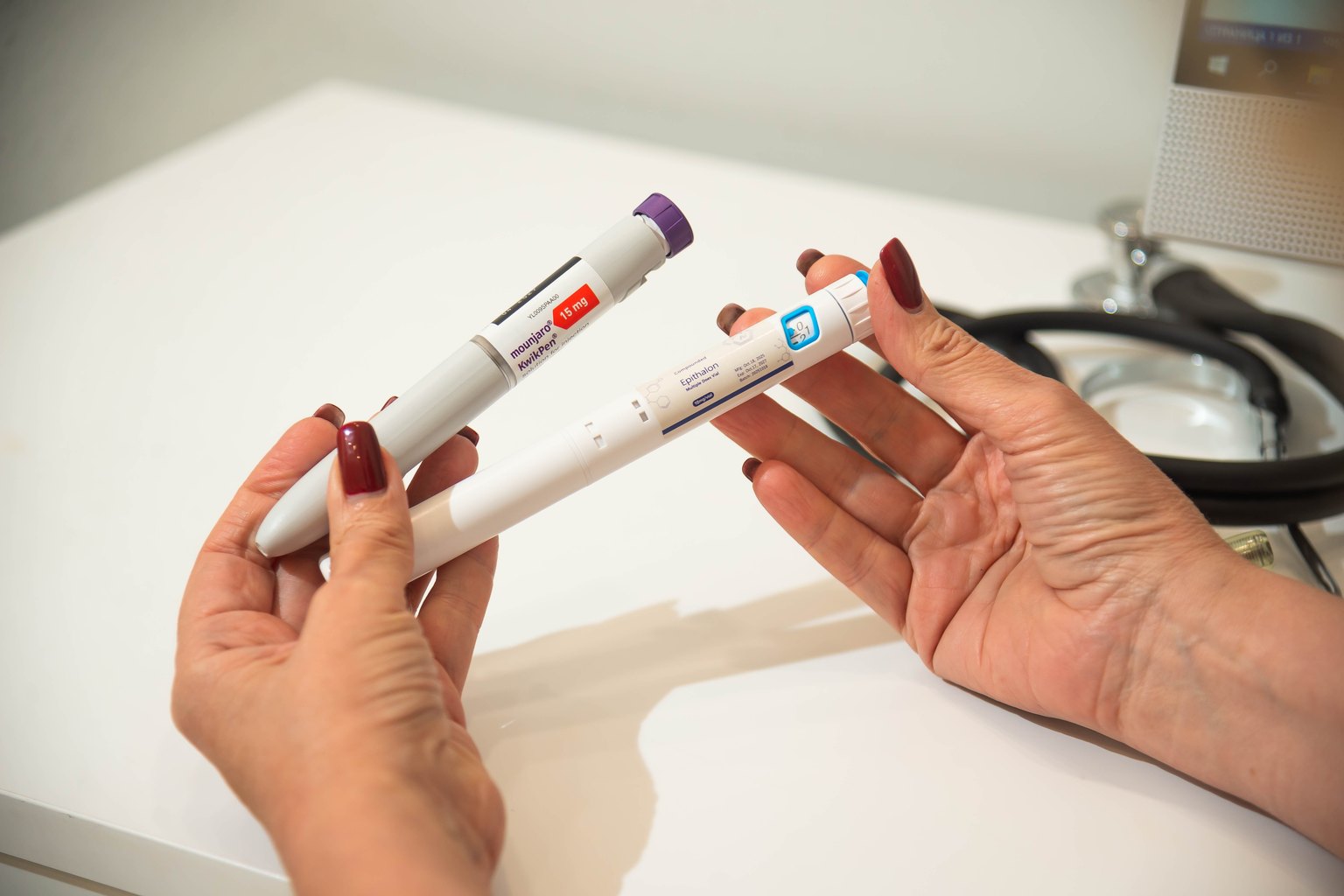
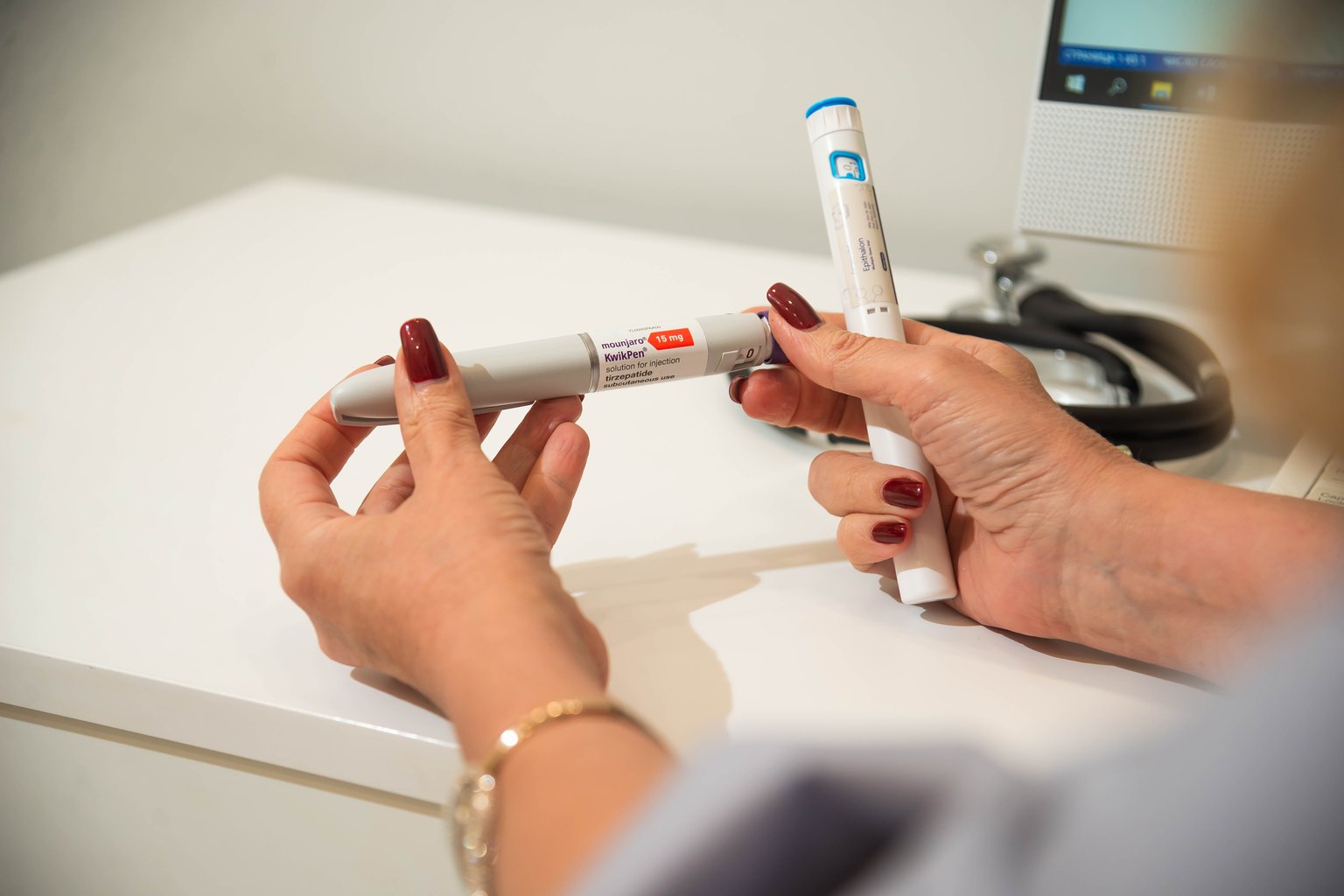
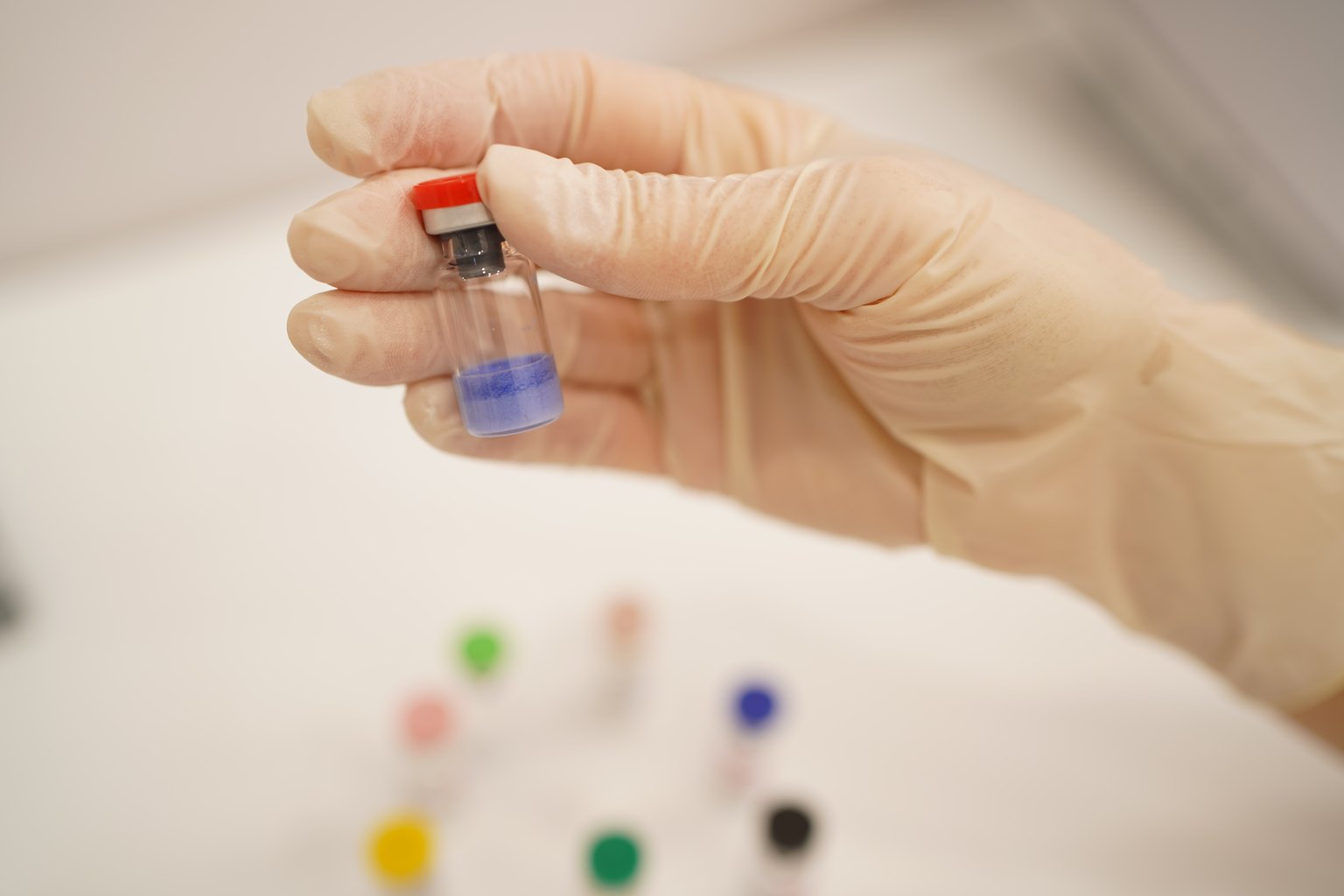
Here's the problem: Melanotan II is not approved by the FDA, EMA, or Ukraine's Ministry of Health as a medicinal product. It is sold online, often in unverified lyophilized powder form, reconstituted by users who have no pharmaceutical training. The results range from impressive cosmetic tanning to serious adverse events including dysplastic nevus transformation and cardiovascular episodes.
At Sandler Wellness Center (вул. Князів Острозьких 23, Kyiv), we assess patients who have already used MT-II, are considering it, or are searching for medically supervised alternatives. This article gives you the actual science, the documented risks, realistic clinical context, and guidance on what a responsible medical approach looks like.
How Melanotan II Works: The Melanocortin System Explained
Melanotan II acts on melanocortin receptors, specifically MC1R, MC3R, MC4R, and MC5R. Each receptor subtype produces distinct physiological effects, and this broad receptor affinity is both the reason MT-II "works" and the reason its side-effect profile is so wide.
MC1R is the primary target for pigmentation. When activated, it triggers adenylate cyclase activity, raises intracellular cyclic AMP (cAMP), and stimulates melanocytes in the skin and hair follicles to produce eumelanin, the brown-black pigment associated with darker skin tone and UV protection. This happens independently of UV exposure, though UV light accelerates the process significantly. In practice, users report visible darkening within 5 to 14 days of daily subcutaneous injections, particularly with some sun or tanning bed exposure.
MC4R activation is where things get complicated. This receptor is distributed throughout the central nervous system, particularly in the hypothalamus, and governs appetite suppression, energy homeostasis, and sexual arousal. MT-II's action on MC4R is why users report spontaneous erections (a documented effect studied in clinical trials, Journal of Urology, 2000, n=20), reduced hunger, and mood elevation. It's also why nausea, facial flushing, and fatigue are among the most common acute side effects.
MC3R and MC5R involvement affects inflammatory signalling and exocrine gland function respectively, contributing to the broader systemic impact of even a single dose.
The half-life of Melanotan II is approximately 30 to 60 minutes in plasma, but receptor-level effects persist for hours. Tanning effects, once melanin is synthesised, can last weeks to months after discontinuation. This persistence is frequently misunderstood as safety. It is not. The compound may be cleared while downstream cellular changes, including stimulation of existing atypical nevi, continue.
One pharmacological detail that surprises patients: Melanotan II is not selective. Alpha-MSH, the natural hormone it mimics, is tightly regulated by feedback loops. MT-II is administered as a bolus dose with no such regulation. You are essentially flooding receptors that evolved for pulse-mode signalling.
Who Uses Melanotan II, Typical Protocols, and What Patients Actually Experience
In our clinical experience at Sandler Wellness Center, the typical MT-II user is a fair-skinned individual (Fitzpatrick skin types I-III) who burns easily, struggles to tan despite UV exposure, and has found conventional self-tanners aesthetically unsatisfying. A secondary population uses MT-II specifically for MC4R-mediated effects, including libido enhancement and appetite control.
The most commonly reported self-administration protocol circulating in online communities involves a "loading phase" of 0.5 to 1.0 mg subcutaneous injection daily for 1 to 2 weeks, followed by a "maintenance phase" of 0.5 mg two to three times per week. Some protocols recommend doses as low as 0.1 mg to minimise acute nausea, particularly for first-time users. None of these protocols are clinically validated or approved.
What patients experience during loading: nausea is almost universal, reported in over 70% of users in a 2004 clinical study (Wessells H. et al., Journal of Clinical Endocrinology & Metabolism). Facial flushing, fatigue, and yawning (a paradoxical but documented MT-II effect mediated through CNS receptors) occur frequently within 30 to 60 minutes of injection. Spontaneous erections in male users are common enough that they're considered a pharmacodynamic marker of activity. In female users, increased genital sensitivity and libido are reported, though clinical data here is thinner.
Pigmentation results are real and often dramatic in fair-skinned individuals. Skin colour typically deepens by 2 to 4 shades on the Fitzpatrick scale with consistent use and moderate UV exposure. Existing moles frequently darken and may enlarge. This is the signal that should concern any clinician: the same mechanism producing cosmetic tanning is also stimulating every melanocyte in the body, including those in pre-existing dysplastic nevi.
Patients considering MT-II should know that no standardised medical protocol exists in Ukraine or the EU. At Sandler Wellness Center, we offer dermatoscopic assessment and full skin mapping for any patient who has used or is considering MT-II.
Clinical Evidence: What Research Actually Shows (and What It Doesn't)
The honest clinical picture of Melanotan II is genuinely mixed. There is documented efficacy. There are also documented serious adverse events.
On the efficacy side: a randomised controlled trial published in the Journal of Urology (2000, n=20) showed that 17 of 20 men with psychogenic erectile dysfunction achieved erections after MT-II administration compared to 5 of 20 on placebo. The effect was statistically significant (p<0.001). Early University of Arizona trials confirmed predictable dose-dependent melanogenesis in fair-skinned subjects. These effects are not disputed.
The safety data is where the picture darkens considerably. A 2014 systematic review in JAMA Dermatology documented 22 case reports of new melanoma or accelerated melanoma progression in individuals using MT-II, with the authors noting the plausible biological mechanism: MC1R stimulation promotes melanocyte proliferation, and in genetically predisposed individuals, this may accelerate malignant transformation. A 2019 study in the British Journal of Dermatology (n=1,700) found that MT-II users had a statistically higher rate of new and changing nevi compared to matched controls.
Cardiovascular adverse events have also been documented, including cases of hypertension and tachycardia linked to MC4R activation and sympathetic nervous system stimulation. Rhabdomyolysis has been reported in case literature, though causality is not firmly established.
What's absent is long-term safety data. No randomised controlled trial has followed MT-II users for more than 12 weeks. The compound's effects on melanocyte biology over years of use remain unknown. Given that melanoma has a latency period that can span a decade, this gap in evidence is not reassuring.
Contraindications and Safety Considerations
This section is not optional reading if you are considering Melanotan II.
Absolute contraindications include any personal or family history of melanoma or dysplastic nevus syndrome. MC1R stimulation in individuals carrying BRAF mutations or with existing atypical moles creates an unacceptable risk of accelerating malignant transformation. The European Medicines Agency issued a formal warning in 2009 specifically citing this risk.
Relative contraindications include a history of cardiovascular disease, hypertension, or arrhythmia (MC4R activation increases sympathetic tone), active autoimmune conditions (melanocortin system modulates immune responses), pregnancy and breastfeeding (no safety data exists), and psychiatric conditions, particularly depression or bipolar disorder, given MT-II's central effects on mood and arousal.
The risk of unregulated supply cannot be overstated. MT-II purchased online is frequently misdosed, contaminated, or adulterated. A 2021 analysis by the UK Medicines and Healthcare products Regulatory Agency (MHRA) tested 30 commercially available MT-II preparations and found that only 40% contained the stated dose within a 10% margin; 20% contained unidentified additional compounds.
Before any peptide-related consultation at Sandler Wellness Center (вул. Князів Острозьких 23, Kyiv), patients complete a full dermatoscopic skin screening, cardiovascular baseline assessment, and detailed personal and family history review. We do not administer Melanotan II. We do provide thorough, non-judgmental assessment and guidance for patients who have used it or are considering it.
Consultation, Skin Assessment, and Medically Supervised Alternatives at Sandler Wellness Center, Kyiv
Sandler Wellness Center does not supply or administer Melanotan II. We are clear about that. What we offer is what's actually missing from the MT-II conversation: medical oversight.
If you have already used MT-II, a dermatoscopic full-body mole mapping session is the immediate priority. At Sandler Wellness Center, this includes digital dermoscopy with image archiving, allowing year-on-year comparison of any lesion changes. This is not cosmetic; it is medical risk management.
For patients seeking medically supervised approaches to skin quality, pigmentation optimisation, and body composition, Sandler Wellness Center offers evidence-based peptide and IV therapy protocols designed within regulatory frameworks. These include targeted antioxidant infusions that support melanocyte health without uncontrolled receptor stimulation, and physician-supervised programs addressing the underlying motivations (tanning, libido, appetite regulation) that drive people toward unregulated compounds.
Initial consultation at Sandler Wellness Center includes a structured history, risk stratification, and personalised protocol recommendation. Booking is available directly at sandler.com.ua or by phone. Our team at вул. Князів Острозьких 23, Kyiv works with patients who want transparency: what the science actually shows, what the risks genuinely are, and what safer pathways exist.
Why choose Sandler Wellness Center over a quick online purchase? Because a compound that stimulates every melanocyte in your body deserves more than an anonymous forum protocol and unverified powder from an overseas lab.
Frequently Asked Questions About Melanotan II
Q: Does Melanotan II actually work for tanning?
A: Yes, Melanotan II produces measurable skin darkening in fair-skinned individuals (Fitzpatrick types I-III) through direct melanocyte stimulation via MC1R receptors. Clinical trials confirm dose-dependent melanogenesis, with visible results typically within 5 to 14 days combined with UV exposure. However, the compound is unregulated, unapproved, and carries documented risks including possible melanoma acceleration.
Q: Is Melanotan II legal in Ukraine?
A: Melanotan II is not approved as a medicinal product in Ukraine, the EU, or the USA. It exists in a grey zone: not explicitly scheduled as a controlled substance in most jurisdictions, but illegal to sell as a medicine without authorisation. Purchase and possession carry regulatory and health risks simultaneously.
Q: What are the most common side effects of Melanotan II?
A: The most common acute side effects are nausea (reported in over 70% of users), facial flushing, fatigue, and spontaneous erections in men, all occurring within 30 to 60 minutes of injection. These are direct pharmacodynamic effects of melanocortin receptor activation. Longer-term concerns include mole darkening and enlargement, which require dermatological monitoring.
Q: Can Melanotan II cause skin cancer?
A: The relationship is not proven causal, but it is biologically plausible and clinically documented. A 2014 JAMA Dermatology review identified 22 cases of new or accelerated melanoma associated with MT-II use. MC1R stimulation promotes melanocyte proliferation; in individuals with existing atypical nevi or genetic predisposition, this may increase melanoma risk. Any mole changes during or after MT-II use require immediate dermatological evaluation.
Q: How is Melanotan II different from self-tanning products?
A: Completely different mechanisms. Self-tanners (DHA-based products) react chemically with dead skin cells to produce temporary colour with no biological effect on living melanocytes. Melanotan II is a systemically active peptide that crosses biological barriers, activates brain and skin receptors, and produces actual melanin synthesis in living cells. One is cosmetic; the other is pharmacological.
Q: Where can I get a safe skin assessment after using Melanotan II in Kyiv?
A: Sandler Wellness Center at вул. Князів Острозьких 23, Kyiv offers full-body dermatoscopic mole mapping for patients who have used or are considering Melanotan II. Appointments can be booked at sandler.com.ua. This is the medically appropriate first step for anyone who has used the compound, particularly if any existing moles have changed.
Conclusion: Melanotan II Demands Medical Context, Not Just Online Research
Melanotan II is a pharmacologically real, scientifically studied compound with genuine effects on skin pigmentation, libido, and appetite. It is also unregulated, unsupervised, and associated with documented serious adverse events including potential melanoma risk.
The goal of this article is not to tell you what to do. It's to give you the information that forum posts and vendor websites deliberately omit. The melanocortin system is central to pigmentation, immune regulation, cardiovascular function, and neurological health. Activating it non-selectively, without medical oversight, through unverified injectable compounds, is a genuinely consequential decision.
At Sandler Wellness Center in Kyiv, we work with patients who want clarity: evidence-based consultation, dermatoscopic risk assessment, and where appropriate, medically supervised alternatives to unregulated peptide use. If you have already used Melanotan II, a dermatological evaluation is not optional; it is the responsible next step.
Book your consultation at sandler.com.ua. The team at Sandler Wellness Center is ready to give you the medical context this compound deserves.
 of the brain and neuroprotection at Sandler Wellness Center, [Kyiv](https://blog.sandler.com.ua/персональний-тренер-Kyiv-фітнес-sandler-індивідуальний-підхід-до-вашого-тіла)](https://yplfdyggcmsagjsuajof.supabase.co/storage/v1/object/public/sandler-blog/photobank/breath-003.jpg)