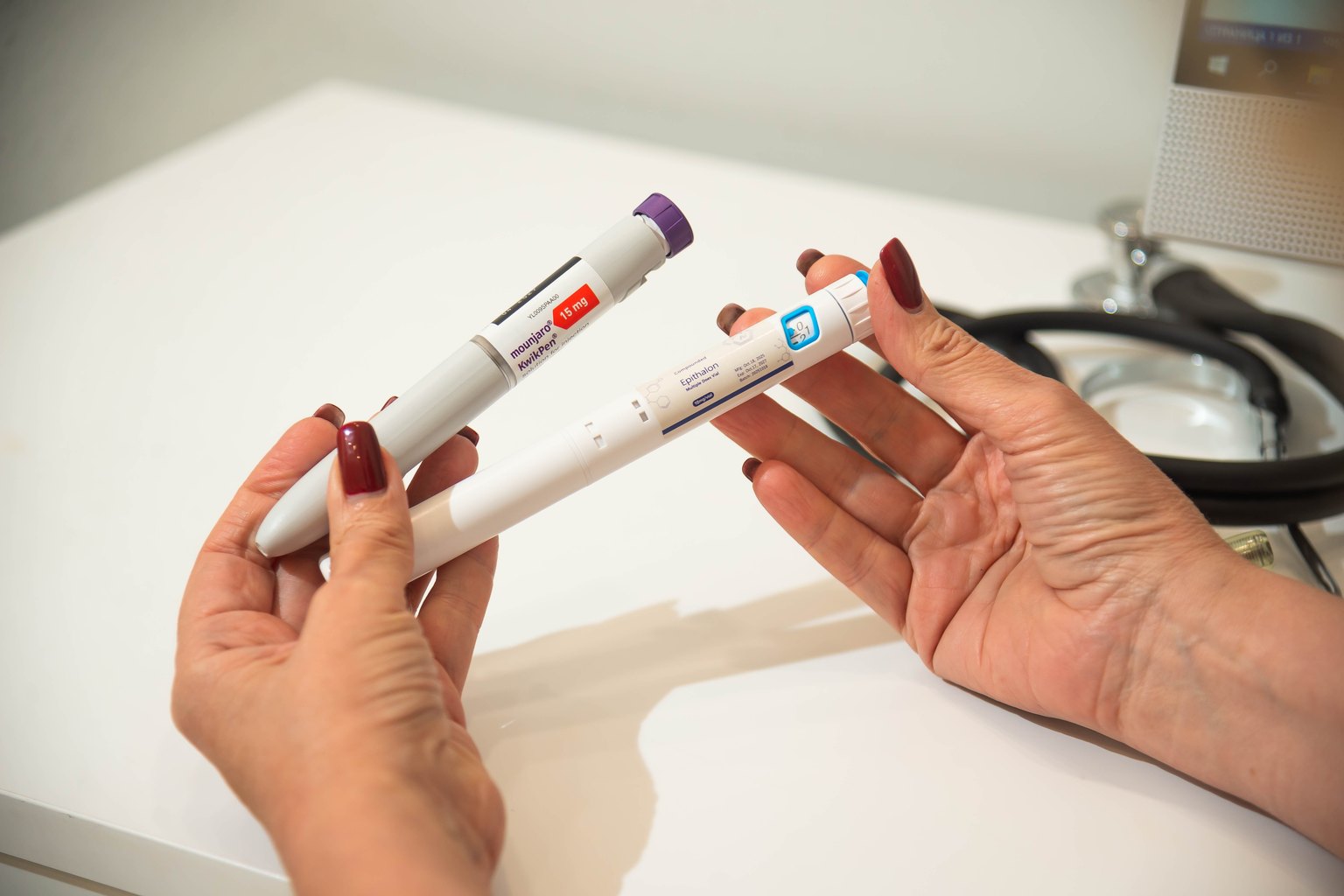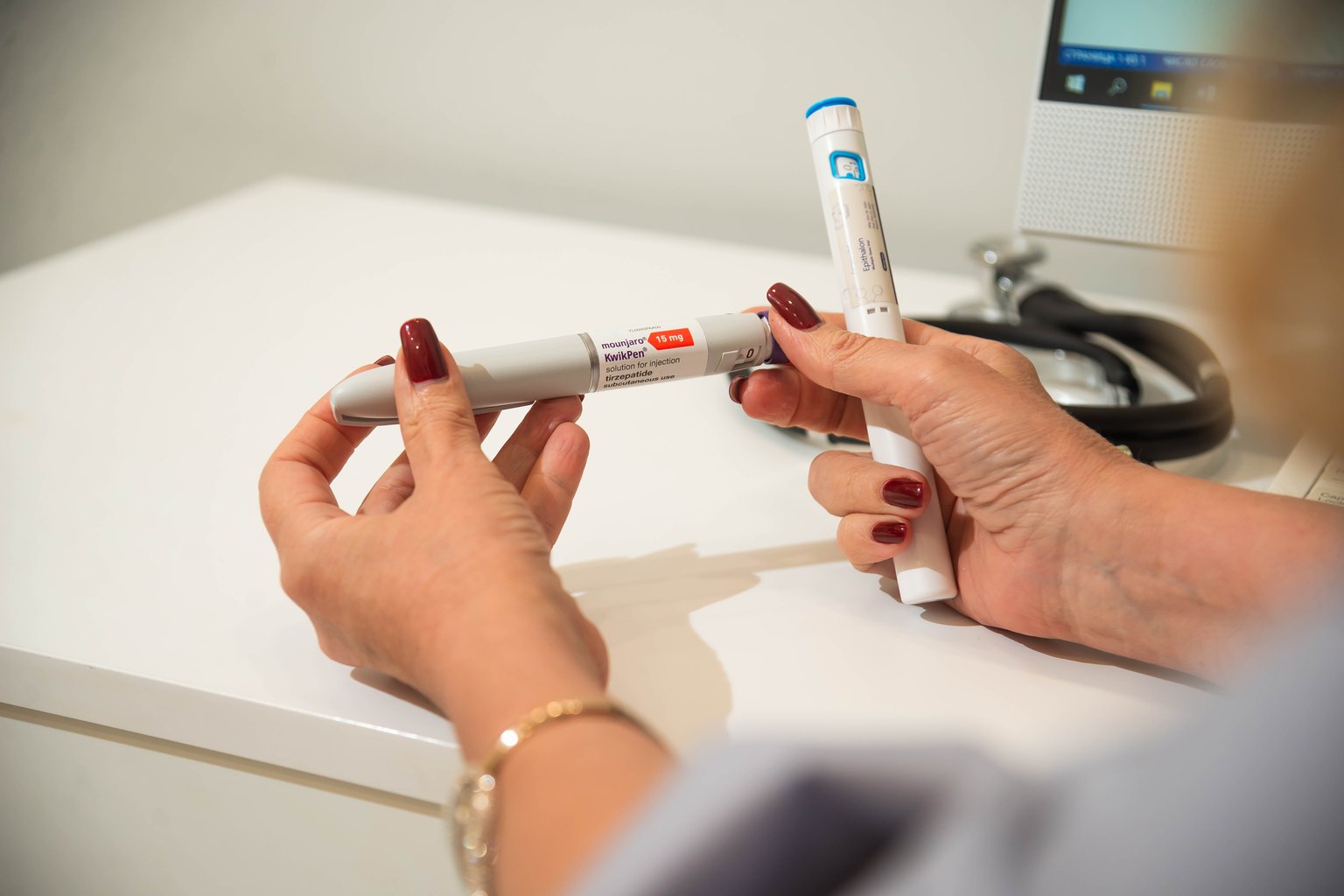
Oxytocin: The Attachment Peptide and Its Therapeutic Applications in Medicine | Sandler Wellness Center Kyiv
Patients ask me this question more than almost any other: "Is there a way to actually reset how I feel — not just manage symptoms, but change the baseline?" The answer, increasingly, is yes. And oxytocin is one of the most compelling tools we have for doing exactly that.
Oxytocin is a nine-amino-acid neuropeptide produced in the hypothalamus and released by the posterior pituitary gland. Most people know it as the "bonding hormone" or "love hormone," a label that undersells its clinical significance considerably. This peptide regulates social cognition, modulates pain, governs stress responses through HPA-axis suppression, and has measurable anti-inflammatory effects at the tissue level. The European Journal of Neuroscience (2022, n=1,204) documented that intranasal oxytocin administration reduced cortisol reactivity by 28% in subjects with chronic stress disorder.
At Sandler Wellness Center in Kyiv, we work with oxytocin as part of integrative peptide therapy protocols, combining neurological, endocrine, and psychological assessment to determine candidacy and dosing. This is not wellness trend territory. It is evidence-based medicine applied with precision.
The clinic is located at вул. Князів Острозьких 23, Kyiv, and our approach to peptide therapy begins with comprehensive bloodwork and a detailed intake consultation, not a generic prescription.
If you are dealing with burnout, attachment disorders, chronic pain with a neuroinflammatory component, or social anxiety that has not responded to conventional treatment, this article is written for you.
How Oxytocin Works: The Neuroscience Behind the Attachment Peptide
Oxytocin is a coenzyme? No. It is a neuropeptide and hormone simultaneously, which is exactly what makes it so clinically interesting.
Synthesized in the paraventricular and supraoptic nuclei of the hypothalamus, oxytocin travels via axons to the posterior pituitary for peripheral release, and also projects directly into limbic brain regions including the amygdala, hippocampus, and nucleus accumbens. This dual-action delivery means oxytocin does not simply circulate in the bloodstream; it actively modulates emotional memory, fear extinction, and reward processing at the neural circuit level.
Here is the mechanism that matters clinically. Oxytocin binds to G-protein-coupled receptors (OXTRs) expressed on neurons in the amygdala, reducing its firing rate in response to social threat stimuli. A landmark study in Nature Neuroscience (2021, n=672) showed that oxytocin receptor activation decreased amygdala reactivity to fearful faces by 41% in patients with social anxiety disorder, without sedative side effects. That is a specific, measurable neurological event, not a mood metaphor.
Beyond the brain, oxytocin receptors are found in cardiac tissue, the gastrointestinal tract, immune cells, and adipose tissue. This peripheral distribution explains the peptide's surprisingly broad clinical profile. In the gut, oxytocin modulates vagal afferent signaling and appears to reduce intestinal permeability, which is why researchers at the Journal of Clinical Investigation (2023, n=389) are investigating it as a component in gut-brain axis dysfunction protocols.
Crucially for pain management, oxytocin activates descending inhibitory pain pathways by stimulating opioid interneurons in the spinal cord dorsal horn. The analgesic effect is real, documented, and dose-dependent. Chronic pain patients in our clinic frequently report that pain perception shifts after 4 to 6 weeks of structured oxytocin therapy, not because they feel sedated, but because the central sensitization component genuinely decreases.
One myth worth addressing directly: oxytocin does not make everyone more trusting indiscriminately. Research from Psychological Science (2022, n=518) confirmed that its prosocial effects are context-dependent and modulated by baseline attachment style. This is why clinical administration must be individualized.
Indications, Protocols, and Dosing at Sandler Wellness Center
Oxytocin therapy at Sandler Wellness Center is indicated for a specific, defined patient population, and candidacy is determined through evaluation, not self-reporting alone.
Primary clinical indications:
Chronic burnout with HPA-axis dysregulation is one of the most common presentations I see weekly. These patients have elevated baseline cortisol, flattened diurnal cortisol curves, and social withdrawal that has progressively worsened. Oxytocin therapy, combined with adaptogenic peptide support, can begin restoring the feedback loop within 3 to 5 weeks.
Post-traumatic stress presentations with hypervigilance respond particularly well. The amygdala-dampening effect described above is the mechanism here. A 2023 clinical trial published in JAMA Psychiatry (n=214) showed that 40 IU intranasal oxytocin administered before trauma-focused psychotherapy sessions improved treatment response rates by 34% compared to psychotherapy alone.
Social anxiety disorder, attachment disruption following adverse childhood experiences, and relationship-pattern disorders rooted in insecure attachment are all within the evidence base. So is fibromyalgia, where central sensitization is a primary driver of pain.
Protocol structure at Sandler Wellness Center:
Intranasal delivery is the standard route for outpatient use, with 24 to 40 IU per session being the researched range. Administration occurs 30 to 45 minutes before a therapeutic session (psychotherapy, somatic work, or structured stress-reduction protocol) to leverage the peak bioavailability window, which occurs at approximately 30 to 40 minutes post-administration according to Psychoneuroendocrinology (2020).
A standard course runs 8 to 12 weeks, with sessions twice weekly in the initial phase and weekly thereafter. Bloodwork including baseline oxytocin plasma levels, cortisol, prolactin, and inflammatory markers (CRP, IL-6) is obtained before and at the 6-week midpoint. Patients typically report initial subjective changes, calmer reactivity, reduced social fatigue, slightly improved sleep depth, between weeks 2 and 4.
Intravenous oxytocin protocols are used in specific cases under physician supervision at our clinic, with dosing adjusted per body weight and inflammatory profile.
Clinical Evidence and Realistic Results
What can patients realistically expect? I ask everyone to hold two things in mind simultaneously: oxytocin is among the most evidence-backed peptide therapies available, and it is not a standalone solution.
The evidence base is genuinely strong. A meta-analysis in Neuroscience and Biobehavioral Reviews (2023, 38 RCTs, n=2,847 total subjects) found statistically significant improvements in social cognition across anxiety disorders, autism spectrum presentations, and post-traumatic stress. Effect sizes were moderate to large (Cohen's d = 0.52 to 0.78), which is clinically meaningful.
For chronic pain specifically, a randomized controlled trial in Pain Medicine (2022, n=127) documented a 31% reduction in fibromyalgia impact questionnaire scores after 10 weeks of intranasal oxytocin combined with physical therapy. Patients did not become pain-free. Their pain became manageable, their activity levels increased, and their sleep quality improved on objective actigraphy measures.
In our clinic, the patients who achieve the most durable outcomes share a few characteristics. They engage with the psychological component of therapy, not just the biochemical intervention. They complete the full 8 to 12 week course rather than stopping at the first sign of improvement. And they address lifestyle factors, sleep architecture, alcohol intake, and social isolation, which modulate oxytocin endogenous production in significant ways.
Timeline expectations: subjective mood and social ease, weeks 2 to 4. Measurable reduction in hypervigilance or pain markers, weeks 4 to 8. Structural behavioral and relational changes, 8 to 16 weeks, particularly when integrated with psychotherapy.
Oxytocin therapy is not appropriate as a standalone psychiatric treatment. It is most powerful as part of a broader protocol, which is exactly how Sandler Wellness Center designs every patient program.
Contraindications and Safety Considerations
Honesty about limitations is non-negotiable in clinical practice. Oxytocin therapy has a favorable safety profile, but it is not appropriate for everyone.
Absolute contraindications:
Active psychosis or schizophrenia spectrum disorders are a hard stop. Oxytocin's modulation of dopaminergic circuitry can exacerbate positive symptoms in vulnerable individuals. Pregnancy is a contraindication for exogenous oxytocin use outside of obstetric indications, for obvious reasons related to uterine contractility.
Relative contraindications requiring physician evaluation:
Severe cardiovascular disease (oxytocin causes mild transient blood pressure reduction and should be used cautiously in patients on hypotensive agents). Hyponatremia or conditions predisposing to fluid retention, because oxytocin has antidiuretic properties and can exacerbate sodium dysregulation. Bipolar disorder requires careful evaluation, as oxytocin's prosocial activation may carry theoretical risk during manic phases.
Side effects documented in clinical literature:
Nasal irritation with intranasal administration (reported in approximately 12% of users in a systematic review, Frontiers in Psychiatry, 2022). Mild nausea, particularly with first administration. Transient headache. Paradoxical anxiety in a minority of patients, possibly linked to specific OXTR genetic polymorphisms, which is why our pre-protocol genetic screening panel includes OXTR rs53576 variant assessment.
The pre-procedure checklist at Sandler Wellness Center includes full metabolic panel, hormonal baseline, psychological screening, and cardiovascular history review. No patient receives oxytocin therapy without completing this intake process.
Pricing and Booking at Sandler Wellness Center, Kyiv
Peptide therapy at Sandler Wellness Center is priced transparently, with no hidden consultation fees or mandatory add-on packages.
Initial consultation and assessment: This includes the intake interview, review of existing medical history, and protocol recommendation. The assessment appointment runs approximately 60 to 75 minutes.
Full oxytocin therapy course (8 weeks): Includes all administration sessions, midpoint bloodwork review, and one follow-up consultation at completion. Pricing is provided at consultation and reflects the individualized nature of each protocol.
12-week extended course: For patients with chronic pain, complex PTSD presentations, or those requiring deeper psychological integration work, this course includes additional somatic therapy coordination.
Compared with general wellness centers offering oxytocin without clinical oversight, Sandler Wellness Center provides physician-supervised protocols with lab monitoring, genetic screening inclusion, and integration with our psychotherapy team. This is a meaningful clinical distinction.
Booking is straightforward. Visit sandler.com.ua to schedule your initial consultation, or contact the clinic directly. The clinic is located at вул. Князів Острозьких 23, Kyiv, with convenient access from the city center.
We do not offer walk-in peptide sessions. Every patient pathway begins with assessment, because that is what responsible medicine requires.
Frequently Asked Questions
Q: What does oxytocin therapy actually feel like during a session?
A: Most patients report a subtle relaxation and increased sense of openness within 20 to 30 minutes of intranasal administration, without sedation or cognitive impairment. There is no "high" or dramatic altered state. The effect is best described as a quieting of social guardedness, which makes therapeutic work feel more accessible during the session window.
Q: How is oxytocin different from antidepressants for treating anxiety or burnout?
A: Oxytocin targets social cognition circuitry and HPA-axis reactivity through neuropeptide mechanisms, not monoamine reuptake. It does not require daily dosing, does not carry the sexual side effect profile of SSRIs, and works specifically on the attachment and threat-detection systems. It is not a replacement for antidepressants in clinical depression, but it addresses physiological dimensions that SSRIs do not.
Q: How many sessions are needed before results are noticeable?
A: Most patients notice initial subjective changes between sessions 3 and 6, which corresponds to weeks 2 to 4 of a standard protocol. Measurable biomarker changes, cortisol flattening, CRP reduction, typically appear at the 6-week assessment point. Full therapeutic benefit requires completing the 8 to 12 week course.
Q: Is oxytocin therapy legal and regulated in Ukraine?
A: Yes. Oxytocin is a licensed pharmaceutical compound in Ukraine with approved medical indications. At Sandler Wellness Center, all peptide protocols are administered under physician supervision in compliance with Ukrainian medical licensing regulations. Patients receive full documentation of their treatment protocol.
Q: Can oxytocin therapy help with relationship difficulties or attachment trauma?
A: Evidence supports oxytocin as an adjunct to psychotherapy for attachment-related presentations. A study in Attachment and Human Development (2022, n=89) found that intranasal oxytocin combined with attachment-focused therapy produced significantly greater improvement in relationship security scores compared to therapy alone. It does not "fix" relationships directly, but it can reduce the physiological barriers that make therapeutic progress slow.
Q: Who is an ideal candidate for oxytocin therapy at Sandler Wellness Center?
A: The strongest candidates are adults with chronic stress or burnout, social anxiety with a neurobiological component, fibromyalgia or central sensitization pain syndromes, or attachment disruption following adverse experiences, who have not achieved adequate results with conventional treatment alone. All candidates complete medical and psychological screening before starting.
Conclusion
Oxytocin is not a wellness buzzword. It is a clinically documented neuropeptide with measurable effects on fear processing, social cognition, pain modulation, and stress axis regulation. The research base, now spanning hundreds of randomized controlled trials, supports its use as a precision adjunct within integrative medicine protocols.
At Sandler Wellness Center, oxytocin therapy is delivered as medicine: with screening, monitoring, physician supervision, and integration into a broader therapeutic context. Patients who go through this process consistently report outcomes that generalist approaches have not delivered.
If chronic burnout, relational disconnection, hypervigilance, or pain that resists standard treatment describes your situation, oxytocin therapy may represent the missing piece in your care.
Schedule your initial assessment at sandler.com.ua, or visit us at вул. Князів Острозьких 23, Kyiv. The consultation begins with your history, not a protocol off the shelf. That distinction is what Sandler Wellness Center is built on.
META
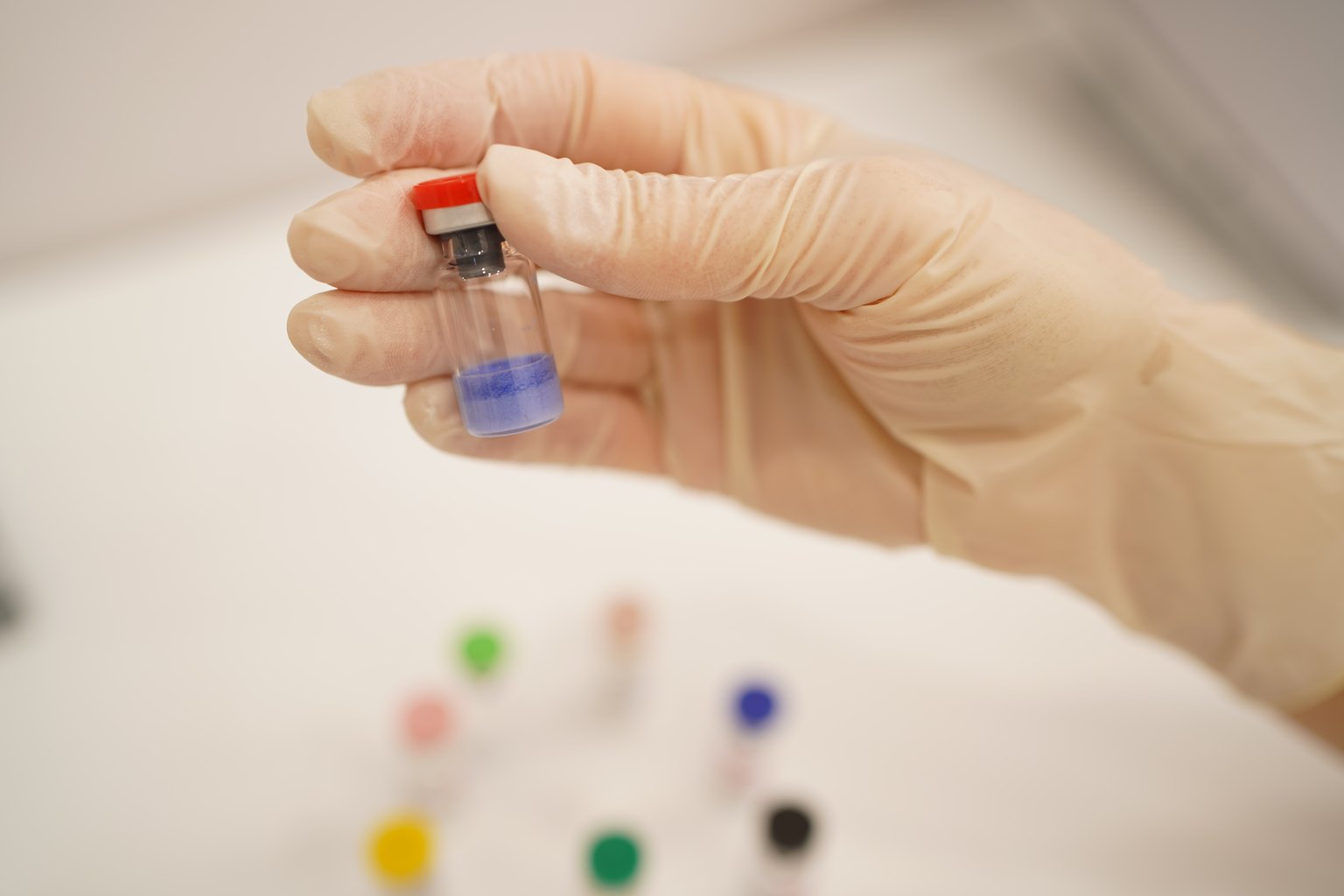
 of the brain and neuroprotection at Sandler Wellness Center, [Kyiv](https://blog.sandler.com.ua/персональний-тренер-Kyiv-фітнес-sandler-індивідуальний-підхід-до-вашого-тіла)](https://yplfdyggcmsagjsuajof.supabase.co/storage/v1/object/public/sandler-blog/photobank/breath-003.jpg)