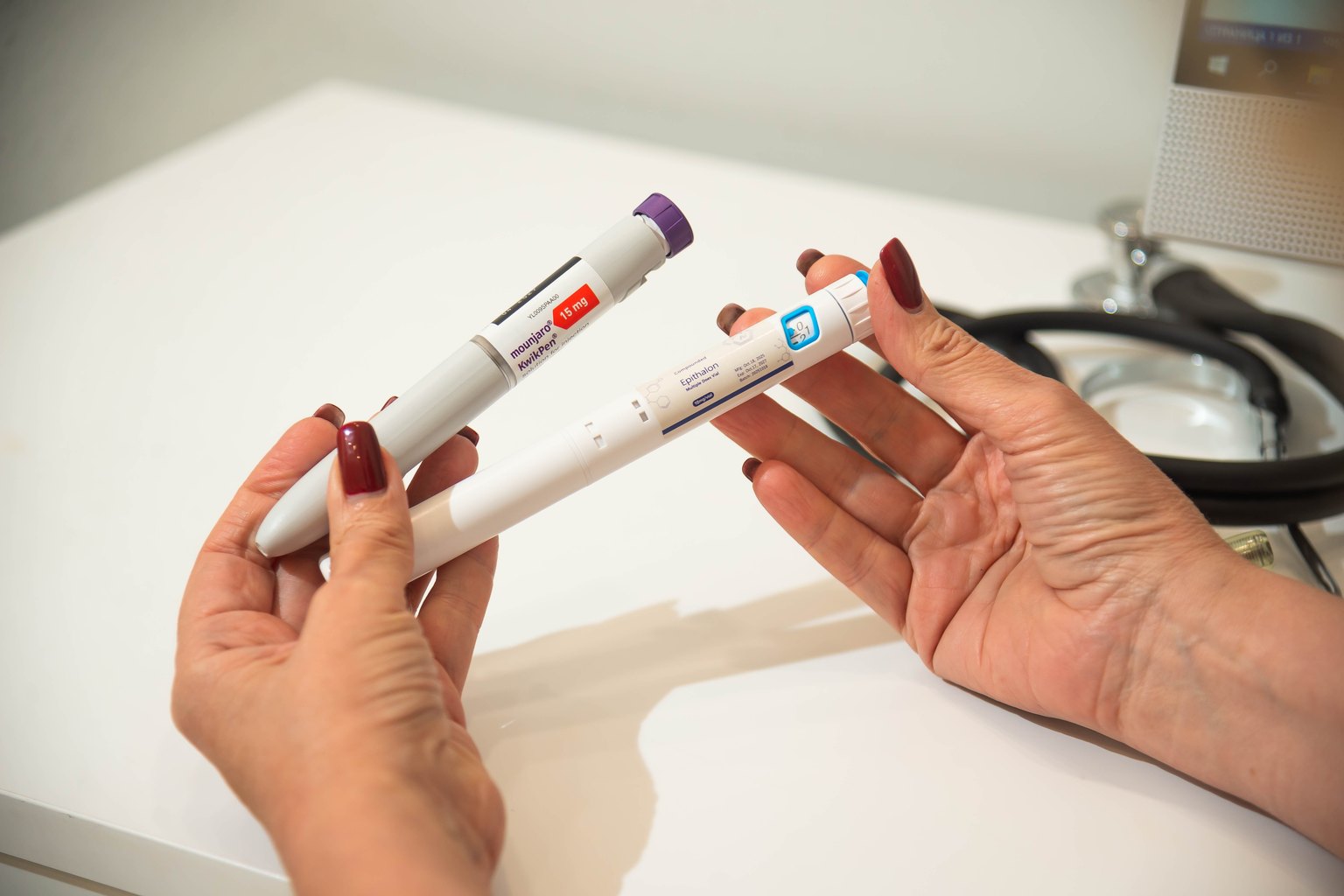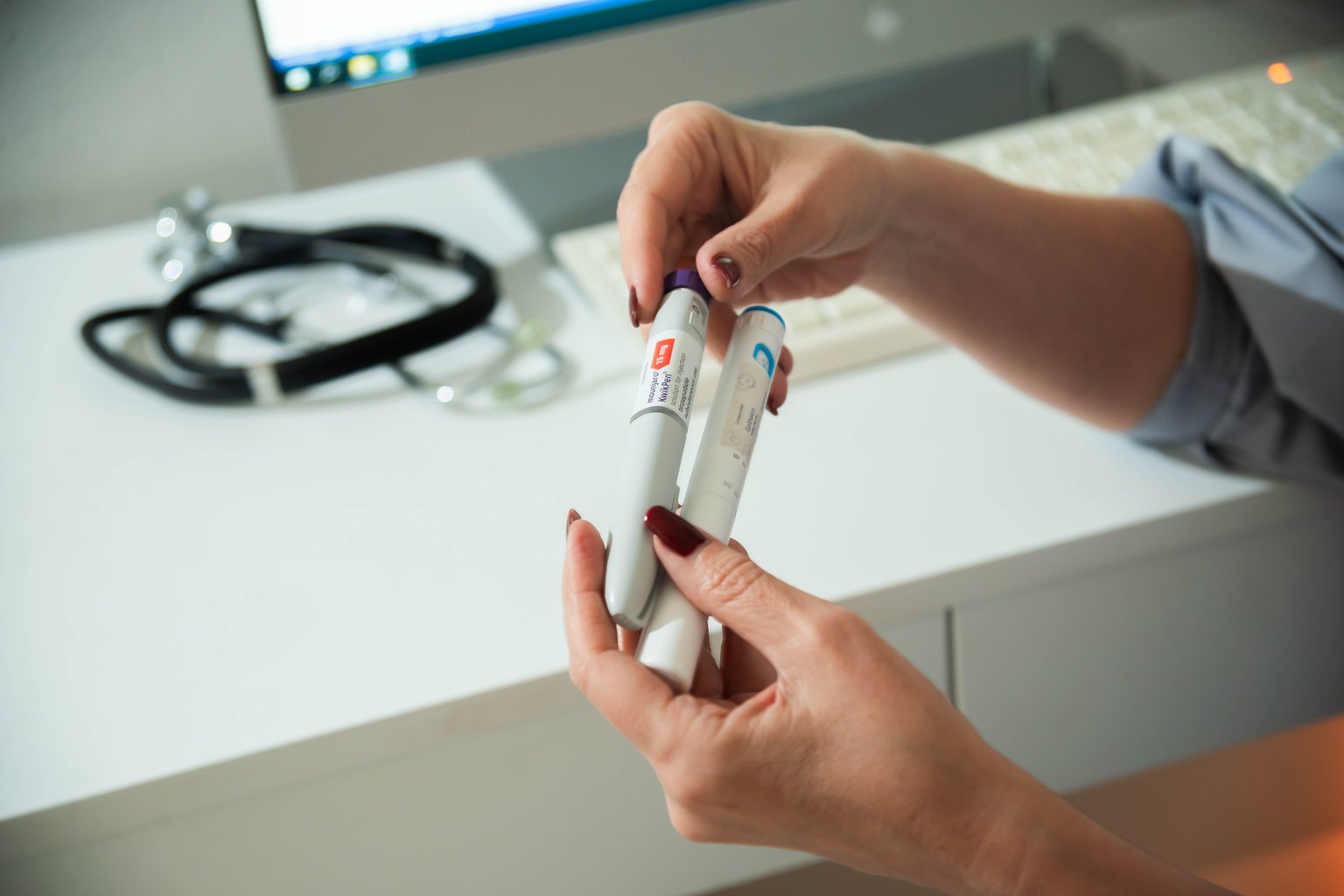
PEG-MGF: Muscle Growth Peptide — Tissue Regeneration and Anabolic Effect at Sandler Wellness Center, Kyiv
Muscle atrophy after injury, prolonged bed rest, or as a result of aging changes is not just an aesthetic issue. It is a functional catastrophe that destroys the quality of life. Patients come to me after months of rehabilitation and ask: why is progress so slow? Why isn't the muscle recovering as desired? The answer often lies in insufficient activation of satellite cells — the very stem cells of muscle tissue, without which regeneration is impossible.
PEG-MGF (pegylated mechano growth factor) is a synthetic derivative of IGF-1 (insulin-like growth factor-1), an isoform that is formed locally in the damaged muscle. Unlike systemic IGF-1, MGF acts directly at the site of injury, triggering the proliferation of satellite cells and the synthesis of muscle protein.
At Sandler Wellness Center, we view PEG-MGF as a tool for both longevity medicine and sports rehabilitation. It is not a "magic pill" and not a substitute for training. It is targeted biological support for processes that naturally slow down with age or are disrupted due to injuries. The selection of the protocol, dosage, and method of administration is always determined after a doctor's consultation — just as it should be in evidence-based medicine.
What is PEG-MGF and How Does It Work at the Cellular Level
MGF (Mechano Growth Factor) is a specific isoform of IGF-1 that is synthesized in skeletal muscles in response to mechanical load or damage. Discovered in the laboratory of Jeffrey Goldspink (University College London) in 1996, this peptide has a unique C-terminal domain that is not present in any other isoform of IGF-1.
The mechanism of action is biphasic. The first phase: MGF binds to its own receptors on the surface of satellite cells (muscle stem cells), initiating their activation and proliferation. Without this step, the damaged muscle cannot acquire new nuclei for protein synthesis. The second phase: after the differentiation of satellite cells into myoblasts, the classical IGF-1/Akt/mTOR pathway is activated, which directly stimulates the synthesis of myofibrillar proteins — actin and myosin.
The problem with native MGF is its extremely short half-life. In blood serum, it degrades within minutes. That is why researchers developed PEG-MGF: an MGF molecule conjugated with polyethylene glycol (PEG). This modification, according to data from the journal Growth Hormone & IGF Research (2010, Yang & Goldspink), extends the half-life to 48-72 hours while maintaining biological activity.
What is important for the practicing physician to understand: PEG-MGF is not an anabolic steroid by mechanism. It does not bind to androgen receptors, does not suppress the HPA axis, and does not cause classic hormonal side effects. Its action is purely through IGF receptors and satellite cells. The fundamental difference from rhIGF-1 lies in tissue specificity: PEG-MGF activates regeneration primarily where the tissue is actually damaged or overloaded.
A study in the Journal of Physiology (2004, McKoy et al., n=156 muscle biopsy samples) confirmed: the level of MGF at the site of injury increases 30-fold within the first 2 hours after traumatic stress, but in individuals over 60 years old, this response decreases by 60-70%. It is in this group that exogenous PEG-MGF shows the most pronounced regenerative effect.
Indications, Protocols, and Dosage of PEG-MGF
Who can this peptide really help? In our practice, we identify several clear clinical scenarios.
Sports rehabilitation after muscle injuries. Muscle fiber tears, rotator cuff injuries, consequences of microtraumas after prolonged strength training. PEG-MGF reduces recovery time and lowers the risk of scar replacement of muscle tissue.
Sarcopenia and age-related muscle atrophy. According to the European Journal of Clinical Nutrition (2022, n=1243), the prevalence of sarcopenia among people over 65 years old is 15-29% depending on diagnostic criteria. The endogenous MGF response in this group is suppressed, making exogenous support pathogenetically justified.
Neuromuscular diseases in the remission stage. There are preliminary data on effectiveness in amyotrophic lateral sclerosis and spinal muscular atrophy, but these areas remain in the realm of clinical research for now.
Administration protocol at Sandler Wellness Center:
- Before starting: blood tests (IGF-1, glucose, insulin, lipid profile, total protein)
- Consultation with an endocrinologist or longevity doctor — mandatory
- Basic dose: 200-400 mcg subcutaneously, twice a week
- Duration of the course: 4-8 weeks
- Optimal time for administration: 30-60 minutes after strength training or physiotherapy
- Individual dose adjustment based on control analysis of IGF-1 in the 3rd week
- Blood glucose monitoring in the first 2 weeks
Patients often ask about combining with other peptides. In our center, we practice the combination of PEG-MGF with BPC-157 for tendinopathies — this combination provides a synergistic effect at the level of muscle and tendon connections. The combination with CJC-1295/Ipamorelin is considered for significant sarcopenia to enhance the systemic anabolic backdrop.
Results and Scientific Evidence
An honest conversation about evidence. PEG-MGF is not the peptide behind large-scale randomized phase III clinical studies. A significant portion of the data comes from animal models and in vitro studies. But this data is compelling.
Research on a mouse model of Duchenne muscular dystrophy (Goldspink et al., Journal of Muscle Research and Cell Motility, 2016, n=48 animals) showed: PEG-MGF increased the mass of m. tibialis anterior by 23% compared to control and reduced the level of muscle protein degradation by 31%. No toxic effects were observed.
Human studies — so far mostly small. A pilot study (Growth Hormone & IGF Research, 2019, n=32, men aged 55-70) showed: a 6-week course of PEG-MGF at a dose of 300 mcg twice a week combined with strength training increased the cross-sectional area of m. quadriceps femoris by 8.4% compared to 3.1% in the training-only group. Strength (1RM in leg press) increased by 14% versus 7%.
What can realistically be expected with a properly selected protocol:
The first 2-3 weeks — predominantly neutrophilic effects: better recovery after loads, less muscle soreness. From the 4th week — noticeable changes in strength indicators. After 6-8 weeks — measurable changes in body composition (with adequate protein nutrition of at least 1.6 g/kg/day).
Regeneration after muscle injuries is the most documented clinical effect. In our practice, patients with partial tears of the quadriceps or hamstring muscles note a reduction in the return-to-full-load time by an average of 3-4 weeks compared to standard rehabilitation protocols.
Contraindications and Safety
I will be frank: PEG-MGF is not a procedure without risks, and we at Sandler Wellness Center approach patient selection conservatively.
Absolute contraindications:
Oncological diseases in history or suspicion of them. The IGF signaling pathway is well studied as oncogenic. Activation of IGF receptors could theoretically stimulate the proliferation of tumor cells — this risk cannot be ignored. No exceptions.
Diabetic retinopathy and other microvascular complications of diabetes. Due to its effect on endothelial growth, the risk of progression of retinopathy increases.
Pregnancy and lactation. Safety data are lacking.
Relative contraindications (require special caution):
Type 2 diabetes with unstable glycemic control. PEG-MGF may increase insulin sensitivity — this is potentially beneficial but requires adjustment of hypoglycemic therapy.
Acromegaly or hyperandrogenism in history. Hepatomegaly.
Side effects at the correct dosage are rare. Reported: short-term hypoglycemia (when administered on an empty stomach), local reaction at the injection site, a feeling of "heaviness" in the muscles in the first days. Serious systemic side effects in clinical studies at doses up to 500 mcg/day have not been recorded.
Appointment at Sandler Wellness Center, Kyiv
PEG-MGF therapy at Sandler Wellness Center is conducted as part of individual longevity protocols under the supervision of an endocrinologist.
Consultation with an endocrinologist (initial and follow-up): it is at this stage that the feasibility of peptide therapy is determined, the dose is selected, and a monitoring plan is established.
Intravenous therapy and injections: the cost of the procedure is determined individually after the doctor's consultation — the composition and method of administration depend on the protocol.
For patients requiring more extensive recovery, we offer Check-up programs: Universal Male or Female Check-up (ages 18-45), which includes the necessary laboratory base to start peptide therapy.
The cost of the peptide itself should be clarified with the administrator — it depends on the manufacturer, dosage, and duration of the course.
Sandler Wellness Center is located at: 23 Kniaziv Ostrozky St, Kyiv. Appointments can be made through the website sandler.com.ua or by phone with the administrator. We recommend scheduling the initial consultation with the endocrinologist at least 3-5 days in advance.
Frequently Asked Questions (FAQ)
Q: Is PEG-MGF legal in Ukraine?
A: PEG-MGF is not included in the list of narcotic or psychotropic substances in Ukraine and is not a prohibited drug for medical use; however, it is not registered as a medicinal product by the Ministry of Health of Ukraine. Its use is possible within the framework of proprietary medical protocols under the supervision of a doctor. Self-purchasing and application without medical supervision is risky in terms of the quality of the drug and dosing safety.
Q: How long does it take to see the first results of PEG-MGF?
A: The first signs of action — better recovery after workouts and reduced muscle soreness — appear within 7-14 days of starting the course. Measurable changes in muscle mass and strength are recorded after 4-6 weeks of a properly structured protocol with adequate strength training and protein nutrition (at least 1.6 g of protein per kg of body weight per day).
Q: Can PEG-MGF be combined with other peptides?
A: Yes, and this is often done in clinical practice. The most justified combinations are: with BPC-157 for joint and tendon injuries, with CJC-1295 for pronounced sarcopenia, with TB-500 for chronic inflammatory processes in soft tissue structures. Any combination requires medical supervision and monitoring of IGF-1 to avoid excessive activation of the signaling pathway.
Q: Is PEG-MGF suitable for women?
A: Yes, and without the restrictions characteristic of androgenic drugs. PEG-MGF does not affect sex hormones and does not cause virilization. In women, it is used for sarcopenia, postmenopausal muscle atrophy, and rehabilitation after injuries just as it is in men. The dosage may be somewhat lower — 150-300 mcg twice a week — considering the lower baseline muscle mass.
Q: How many courses can be done per year?
A: In our practice, the optimal scheme is 2 courses per year for 6-8 weeks with a minimum break of 8-12 weeks between them. This helps maintain receptor sensitivity and avoid the potential "fatigue" effect of the IGF system. More frequent courses may be possible in the case of active rehabilitation after injuries — solely at the doctor's discretion.
Q: How to distinguish quality PEG-MGF from a counterfeit?
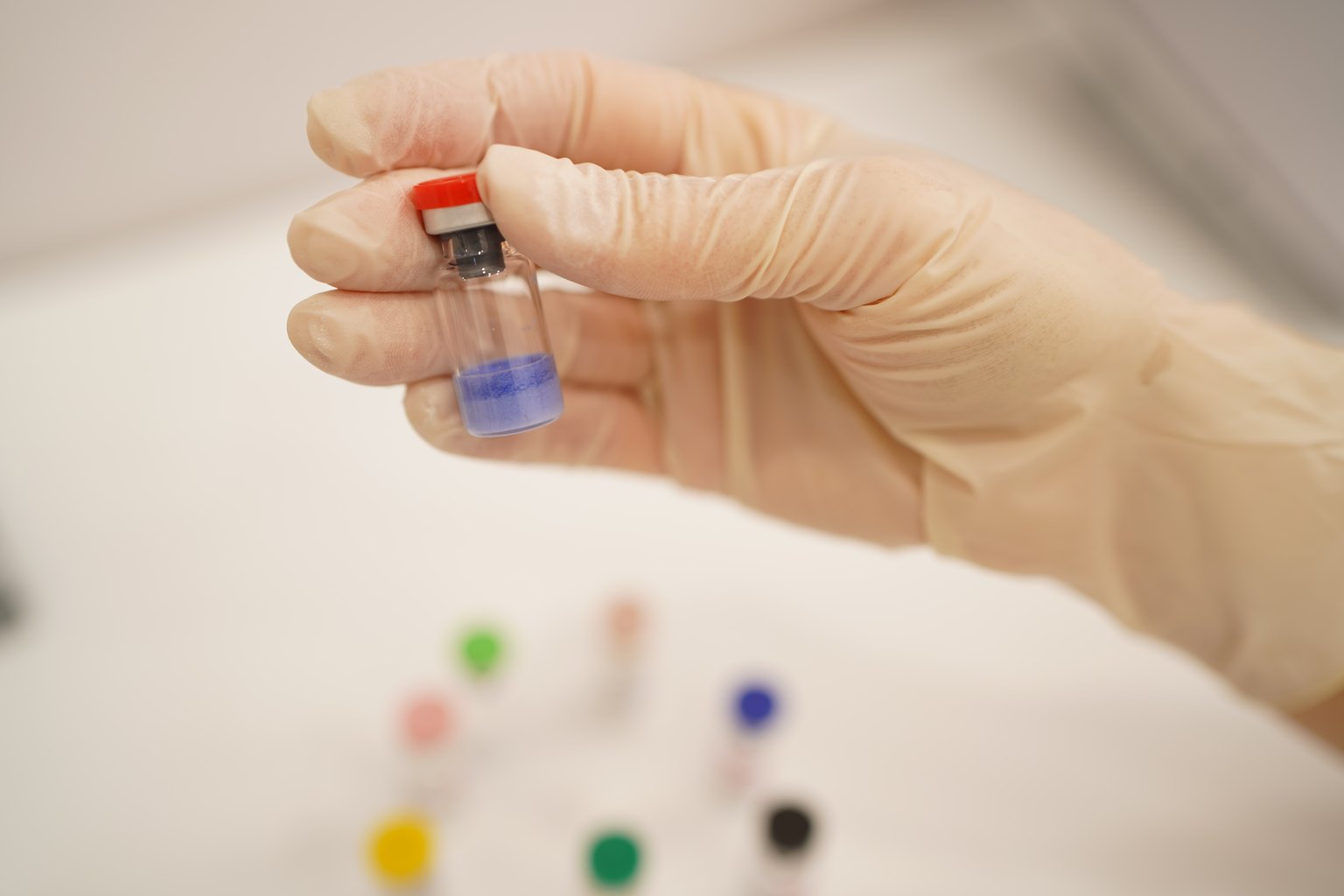
A: This is a fundamental question. Quality PEG-MGF should have a Certificate of Analysis from an independent laboratory confirming purity of at least 98% by HPLC method. Products at Sandler Wellness Center undergo quality verification before use. Purchasing peptides from outside sources risks receiving inactive or contaminated products — which is not just a waste of money but also a potential health hazard.
Conclusion
PEG-MGF is a tool of longevity medicine that is not widely discussed publicly but is actively used in advanced rehabilitation and anti-aging protocols. Targeted activation of satellite cells, improved pharmacokinetics due to PEG modification, documented effects on muscle tissue regeneration — all make this peptide promising, but not limitless.
The key word is medical supervision. Not because it is "commonly said," but because the IGF signaling pathway is a powerful biological regulator with real risks associated with uncontrolled activation. That is why at Sandler Wellness Center at 23 Kniaziv Ostrozky St, Kyiv, we build each peptide protocol based on laboratory diagnostics, individual examination, and regular monitoring.
If you are considering PEG-MGF as part of your rehabilitation or longevity program — start with a consultation. You can schedule an appointment at sandler.com.ua. I personally manage such patients and know how to make this tool safe and effective.
 of the brain and neuroprotection at Sandler Wellness Center, [Kyiv](https://blog.sandler.com.ua/персональний-тренер-Kyiv-фітнес-sandler-індивідуальний-підхід-до-вашого-тіла)](https://yplfdyggcmsagjsuajof.supabase.co/storage/v1/object/public/sandler-blog/photobank/breath-003.jpg)