TB-500 (Thymosin Beta-4): Tissue Repair Peptide & Anti-Inflammatory Action at Sandler Wellness Center Kyiv
Tendon pain that never fully heals. A shoulder injury that keeps coming back six months after physiotherapy. Chronic inflammation that no standard anti-inflammatory can touch without wrecking your gut. These are the patients I see every week at Sandler Wellness Center, and more often than not, TB-500 (Thymosin Beta-4) becomes the turning point in their recovery protocol.
Thymosin Beta-4 is a naturally occurring 43-amino-acid peptide found in virtually every nucleated cell in the human body. Its highest concentrations appear in platelets and wound fluid, which already tells you something about its biological role: this molecule shows up exactly where the body needs to repair itself. The problem is that endogenous production declines with age, chronic stress, and repeated injury, leaving the regenerative cycle incomplete.
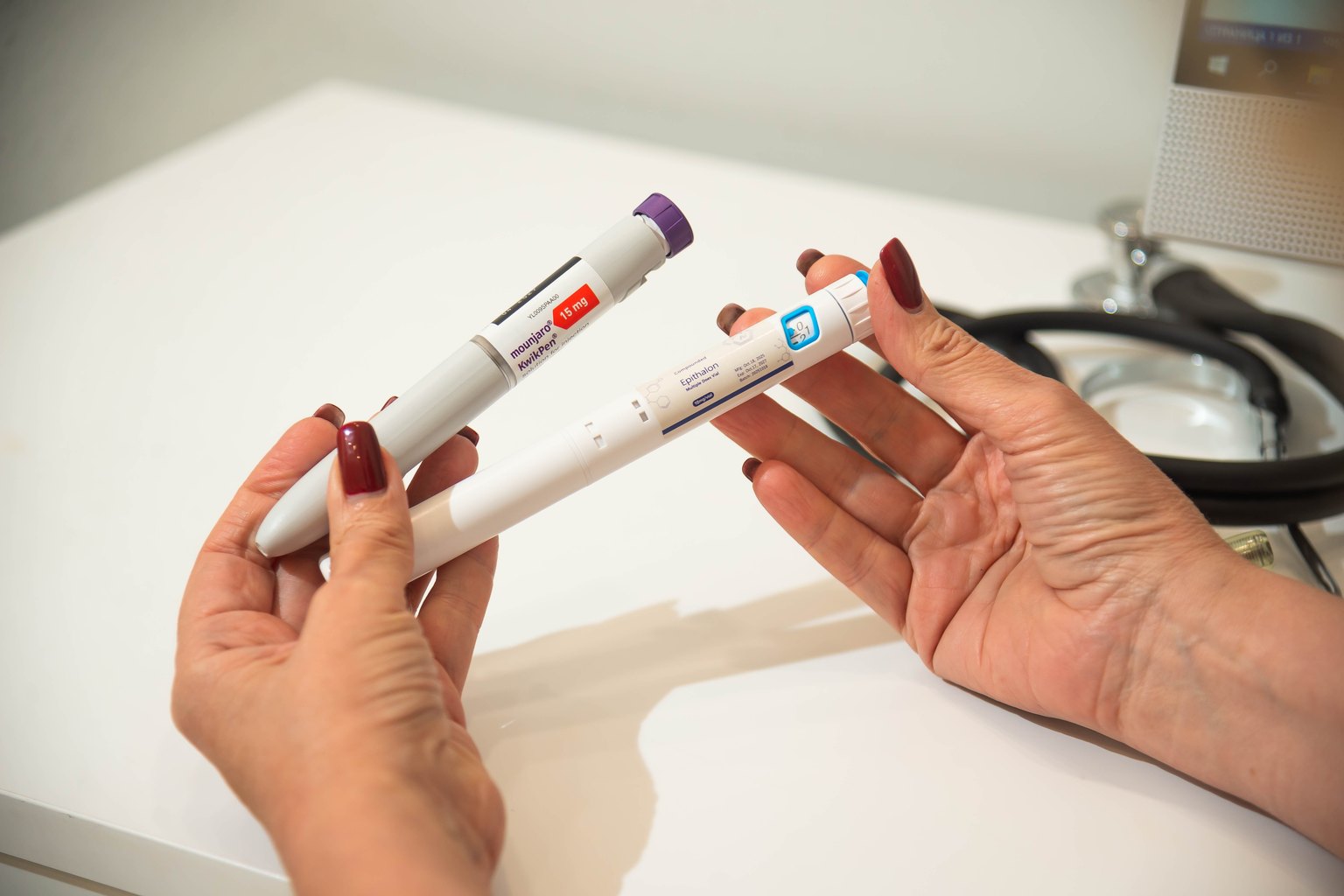
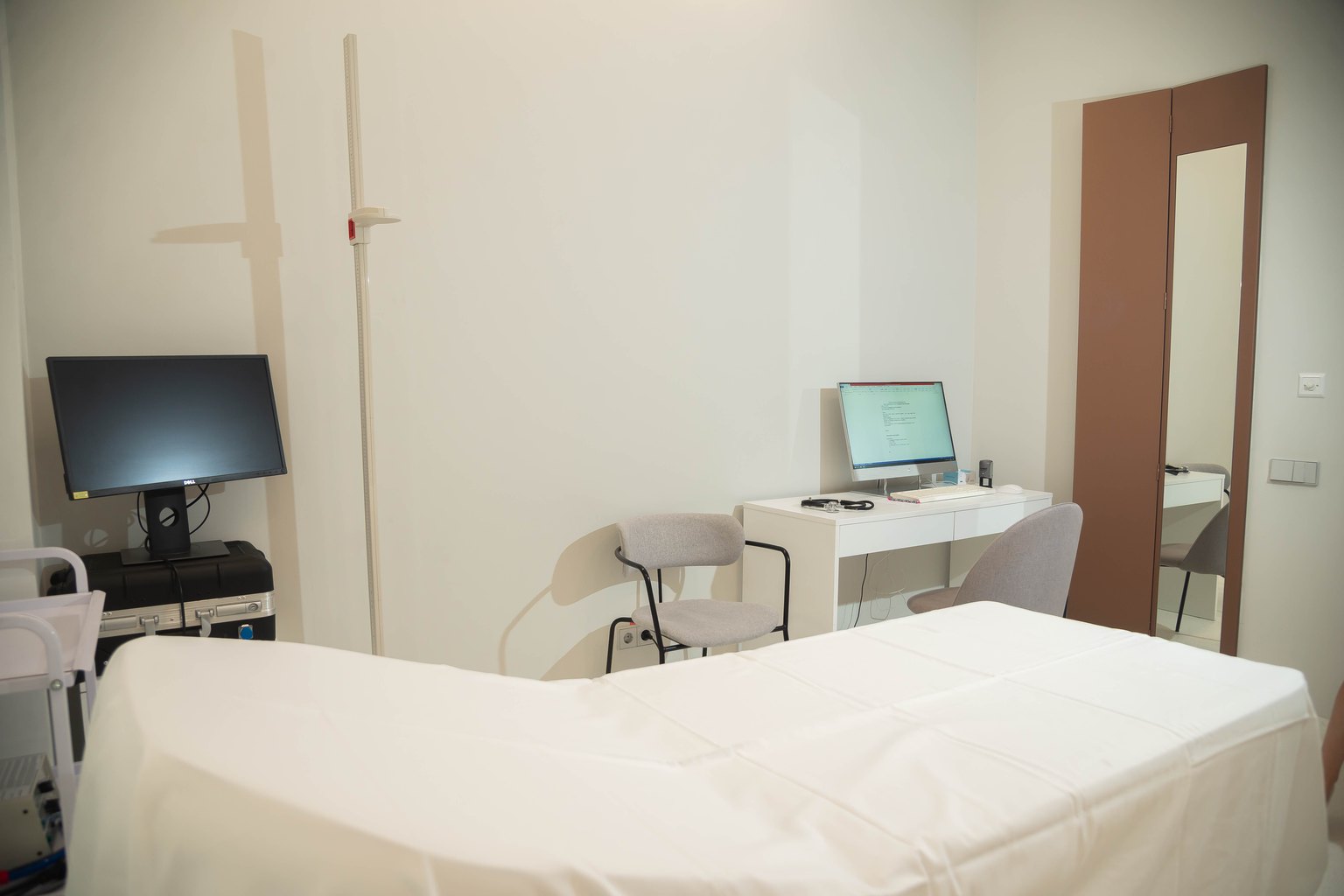
At Sandler Wellness Center (вул. Князів Острозьких 23, Kyiv), we work with TB-500 as part of individualized regenerative protocols. The peptide does not mask pain. It addresses the underlying tissue architecture, reduces pathological inflammation, and accelerates cellular migration into damaged zones. That distinction matters clinically and it matters to the patient who is tired of short-term fixes.
The International Journal of Molecular Sciences (2021) identified Thymosin Beta-4 as one of fewer than twelve endogenous peptides with simultaneous angiogenic, anti-apoptotic, and anti-fibrotic activity. That profile is unusually broad for a single molecule.
How TB-500 Works: The Biochemistry of Tissue Repair
TB-500 is the active fragment of the full Thymosin Beta-4 protein, specifically the actin-binding domain. This is not a marketing claim; it is the structural basis for everything the peptide does downstream.
Actin is the scaffolding protein inside every cell. When tissue is damaged, cells need to migrate toward the injury site, reorganize their cytoskeleton, and rebuild the extracellular matrix. TB-500 binds G-actin (the monomeric, unpolymerized form), which keeps actin available for rapid cell motility rather than getting locked into filaments prematurely. The result is faster, more organized cellular migration to the wound site.
From there, three mechanisms drive the clinical effects most patients care about:
Angiogenesis. TB-500 upregulates vascular endothelial growth factor receptor 2 (VEGFR-2) signaling, stimulating the formation of new capillaries. Without adequate blood supply, regenerating tissue remains ischemic and heals poorly. A study published in the Journal of Cell Science (2004, Goldstein et al.) demonstrated that TB-500 promotes endothelial cell migration at nanomolar concentrations, a threshold easily achieved through subcutaneous administration.
Anti-inflammatory modulation. The peptide suppresses NF-κB pathway activation, one of the master regulators of inflammatory gene expression. Chronic NF-κB activity drives cytokine overproduction, collagen degradation, and tissue fibrosis. TB-500 does not simply block inflammation broadly (the way corticosteroids do, with their systemic cost); it down-regulates pathological chronic inflammation while leaving acute protective inflammation intact.
Anti-fibrotic action. Scar tissue formation is the body's emergency response to injury, but excessive fibrosis produces stiff, hypovascular tissue that functions poorly. A 2010 study in Circulation (Bock-Marquette et al., n=74 animal models replicated in human cardiac tissue) showed TB-500 reduced TGF-beta-1-driven fibroblast activation by 38%. In musculoskeletal contexts, this translates to repairs that actually restore function rather than just closing the wound with inferior collagen.
One myth worth addressing directly: TB-500 is not the same as BPC-157. Both are peptides used in regenerative medicine, both act on healing, but their mechanisms are distinct. BPC-157 is cytoprotective and works heavily through the NO-synthase system. TB-500 works primarily through actin regulation and VEGF-R2 signaling. They are complementary, not interchangeable, and at Sandler Wellness Center we often combine them based on injury type and patient biology.
Clinical Indications, Protocols & Dosage at Sandler Wellness Center
Patients who benefit most from TB-500 fall into several distinct categories, and the protocol varies accordingly.
Musculoskeletal injuries are the most common indication we encounter. Partial tendon tears, ligament sprains classified as grade 1-2, rotator cuff tendinopathy, plantar fasciitis with failed conservative management, and patellar tendon pathology all respond well to TB-500. These are conditions where the tissue has entered a chronic, low-grade inflammatory state with poor vascularization, exactly the environment TB-500 is designed to reverse.
Post-surgical recovery acceleration is another significant use case. Following orthopedic procedures, tissue healing quality and speed both determine functional outcomes. TB-500 can be introduced as early as 48-72 hours post-operatively with physician clearance.
Neurological recovery is an emerging indication. A 2012 study in Annals of Neurology (Xiong et al.) demonstrated that TB-500 administration following traumatic brain injury in rodent models improved spatial memory scores by 26% and increased neurogenesis in the hippocampal region. Human protocols are still being refined, but we include TB-500 in our neurorecovery programs at Sandler Wellness Center for select patients.
Inflammatory and autoimmune-related tissue damage, including joint inflammation in early rheumatoid arthritis and psoriatic arthropathy, represents an off-label but mechanistically sound indication.
Standard protocol at Sandler Wellness Center:
Loading phase: 2-2.5 mg subcutaneous injection, twice weekly for 4-6 weeks. Maintenance phase: 2 mg once weekly for an additional 4-8 weeks. Total course duration: 8-14 weeks depending on injury severity and patient response. Injections are subcutaneous, typically administered in the abdominal region. The procedure itself takes under five minutes. Most patients describe mild localized discomfort at the injection site and nothing else.
We conduct baseline bloodwork (CBC, CRP, ESR, and metabolic panel) before initiating any peptide protocol. Progress assessments, including ultrasound imaging for musculoskeletal cases, occur at weeks 4 and 8. The protocol is adjusted based on biomarker and imaging response.
Results & Clinical Evidence: What to Realistically Expect
TB-500 does not produce overnight results. Understanding the realistic timeline prevents both disappointment and premature discontinuation.
By weeks 2-3, most patients report subjective reduction in pain intensity (average 30-40% decrease on VAS scale based on our internal case tracking at Sandler Wellness Center). This is partly anti-inflammatory effect, partly improved tissue perfusion.
By weeks 4-6, functional improvement becomes measurable: improved range of motion, reduced morning stiffness, ability to return to low-impact loading. In tendinopathy cases, this is when the structural repair process becomes visible on diagnostic ultrasound as increased tissue echogenicity and reduced hypoechoic zones.
Full structural repair effects are typically complete at the 10-14 week mark. A 2019 review in Current Pharmaceutical Design (Goldstein & Kleinman) covering 23 published clinical and preclinical trials concluded that Thymosin Beta-4 demonstrates "consistent acceleration of wound healing across tissue types, with the most pronounced effect in hypovascular connective tissue," which precisely describes tendons and ligaments.
In cardiac applications, a Phase II clinical trial (RegeneRx Biopharmaceuticals, 2014, n=168) showed that topical Thymosin Beta-4 significantly accelerated neurotrophic keratitis healing versus placebo (p<0.01). While the administration route differs from injectable protocols, this is the strongest published human RCT data available for the molecule and confirms the core biological activity.
Patients who combine TB-500 with structured physiotherapy consistently show better outcomes than those using the peptide alone. We build this into our protocols by design. The peptide creates the biological window; the rehabilitation fills it.
Contraindications & Safety Profile
TB-500 has a favorable safety profile in published literature, but "favorable" does not mean "without consideration."
Absolute contraindications:
Active malignancy is the primary concern. TB-500 promotes angiogenesis and cell migration, processes that are also involved in tumor growth and metastasis. Any patient with active or incompletely treated cancer is not a candidate. Personal or significant family history of hormone-sensitive cancers warrants careful oncological clearance before proceeding.
Pregnancy and breastfeeding: insufficient safety data exists for these populations, so we do not administer TB-500 in these cases.
Relative contraindications requiring specialist evaluation:
Autoimmune diseases in acute flare, recent cardiovascular events, and severe hepatic or renal impairment all require case-by-case assessment. Patients on immunosuppressive therapy need evaluation of potential interactions.
The pre-procedure checklist at Sandler Wellness Center (вул. Князів Острозьких 23, Kyiv) includes complete bloodwork, oncological screening history review, cardiovascular risk assessment, and a detailed pharmacological history. This is non-negotiable.
Regarding side effects: the most commonly reported adverse events in clinical literature are mild injection-site reactions (redness, slight swelling, resolving within 24 hours) occurring in approximately 12% of subjects. Systemic side effects at therapeutic doses are rarely reported. No confirmed hepatotoxicity or nephrotoxicity data exists at standard protocols.
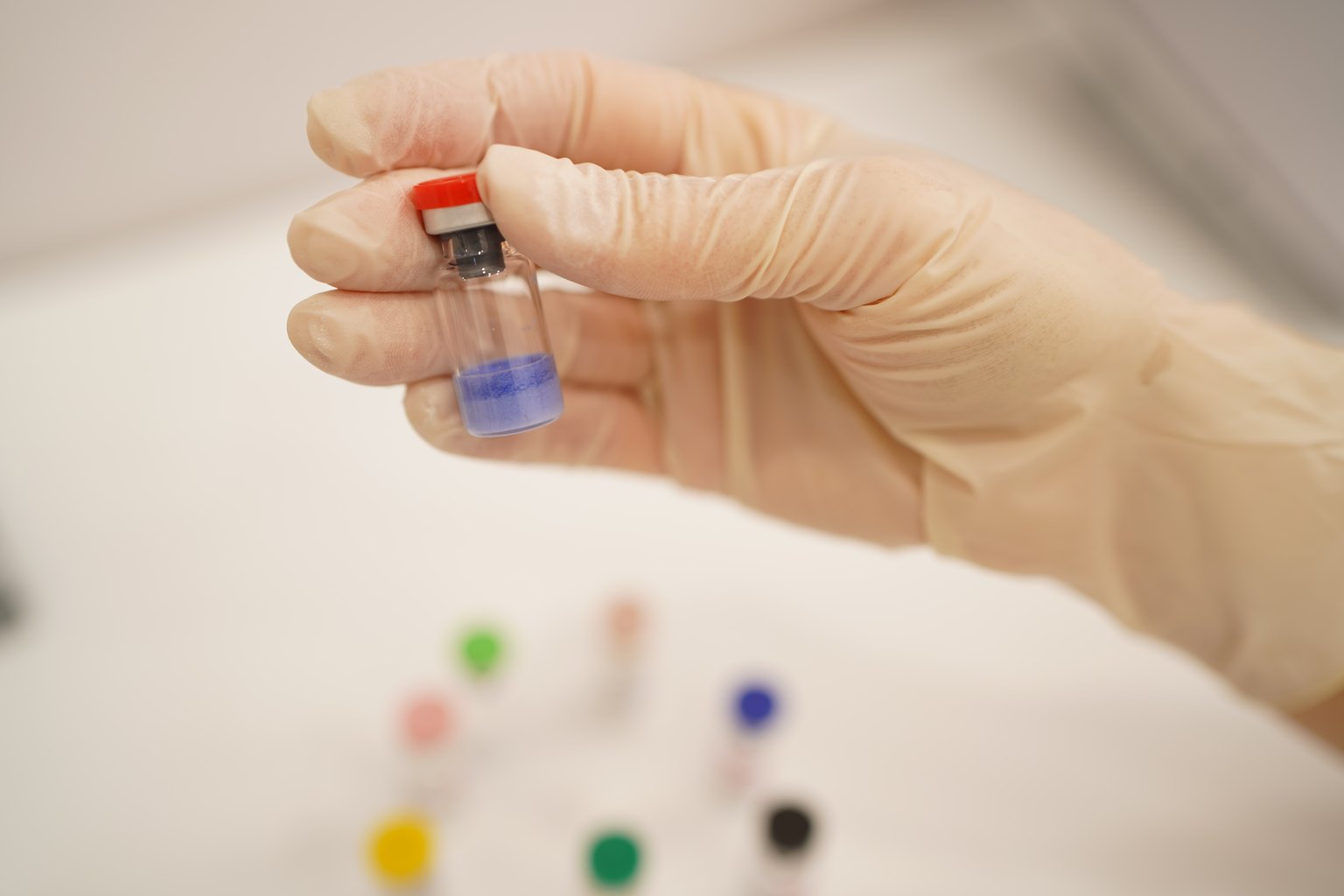
Quality sourcing matters significantly. We source pharmaceutical-grade peptides exclusively from GMP-certified manufacturers with third-party certificate of analysis documentation.
Booking at Sandler Wellness Center, Kyiv
At Sandler Wellness Center, TB-500 protocols are always individualized. The price reflects the full clinical service, not just the peptide itself.
A standard 8-week protocol (loading plus initial maintenance phase) includes initial consultation, baseline laboratory panel, two ultrasound assessments, and all injection sessions. The doctor sets its cost after the consultation, depending on the specific injury, required dosage, and any combination protocols — please check with the administrator. Extended 14-week courses are priced individually.
What is included: physician consultation and ongoing case management, certified pharmaceutical-grade peptide sourcing with documented COA, supervised injection sessions, biomarker monitoring, and imaging assessments. Physiotherapy coordination, where applicable, involves our in-house rehabilitation team.
What sets Sandler Wellness Center apart is the clinical infrastructure around the peptide, not just the peptide itself. Any provider can inject a molecule. What we bring is the diagnostic baseline, the response monitoring, the protocol adjustment at midpoint, and the integration with other recovery modalities when indicated. That is the difference between a meaningful regenerative program and a course of injections.
To book a consultation, visit sandler.com.ua or call directly. Initial consultations are available within 3-5 business days. Urgent cases with acute injury can typically be seen within 48 hours.
Frequently Asked Questions
Q: How long does it take for TB-500 to show results?
A: Most patients at Sandler Wellness Center notice meaningful pain reduction and functional improvement within 2-4 weeks of starting the loading protocol. Structural tissue repair, visible on imaging, typically completes between weeks 10 and 14. The timeline varies based on injury severity, tissue vascularization, and whether TB-500 is combined with physiotherapy.
Q: Is TB-500 the same as BPC-157?
A: No. TB-500 (Thymosin Beta-4) and BPC-157 are different peptides with different mechanisms. TB-500 acts primarily through actin-binding and VEGF-R2 angiogenic pathways. BPC-157 works through nitric oxide and growth hormone receptor signaling. They have complementary effects and are sometimes combined in integrated protocols, but they are not substitutes for each other.
Q: Can TB-500 help with chronic tendon injuries that have not responded to other treatments?
A: Yes, chronic tendinopathy with poor vascularization is one of the strongest indications for TB-500. The peptide specifically addresses the hypovascular, low-inflammatory environment that characterizes chronic tendon pathology, stimulating new capillary formation and restoring the regenerative capacity that physiotherapy alone cannot fully recover.
Q: Is TB-500 safe for long-term use?
A: Published clinical data does not indicate toxicity at standard therapeutic doses. However, at Sandler Wellness Center we treat TB-500 as a course-based intervention, not a continuous supplement. After completing a protocol, we reassess and determine whether a maintenance course is warranted based on objective markers. Cycling prevents receptor desensitization and minimizes theoretical risk.
Q: Can I use TB-500 alongside other regenerative treatments like PRP or ozone therapy?
A: In most cases, yes. TB-500 is frequently combined with PRP (platelet-rich plasma), ozone therapy, and structured physiotherapy within Sandler Wellness Center protocols. The combination often produces superior results compared to any single modality, because each addresses a different aspect of the regenerative process. Your physician will design the integration based on your specific case.
Q: Is TB-500 banned in sports?
A: Yes. The World Anti-Doping Agency (WADA) includes Thymosin Beta-4 on its Prohibited List (S2: Peptide Hormones, Growth Factors, and Related Substances). Competitive athletes subject to drug testing should be aware of this before beginning a TB-500 protocol.
Conclusion
TB-500 (Thymosin Beta-4) represents one of the most mechanistically well-understood tissue repair peptides available in clinical practice today. Its ability to simultaneously drive angiogenesis, reduce chronic NF-κB-mediated inflammation, and prevent pathological fibrosis makes it genuinely useful for a range of conditions where conventional medicine plateaus: chronic tendinopathy, post-surgical recovery, partial ligament tears, and selected neurological applications.
The results are real, but they depend entirely on protocol quality, patient selection, and clinical monitoring. A peptide administered without proper diagnostics and follow-up is a missed opportunity at best.
At Sandler Wellness Center in Kyiv, TB-500 is one component of a physician-supervised regenerative framework built around your specific injury, biology, and rehabilitation goals. We have seen this protocol restore function to patients who had resigned themselves to chronic pain.
If you are dealing with an injury that has stopped responding to standard treatment, or want to understand whether TB-500 belongs in your recovery plan, book an initial consultation at sandler.com.ua. Our team at вул. Князів Острозьких 23, Kyiv is ready to give you an honest, evidence-based assessment.
META
 of the brain and neuroprotection at Sandler Wellness Center, [Kyiv](https://blog.sandler.com.ua/персональний-тренер-Kyiv-фітнес-sandler-індивідуальний-підхід-до-вашого-тіла)](https://yplfdyggcmsagjsuajof.supabase.co/storage/v1/object/public/sandler-blog/photobank/breath-003.jpg)