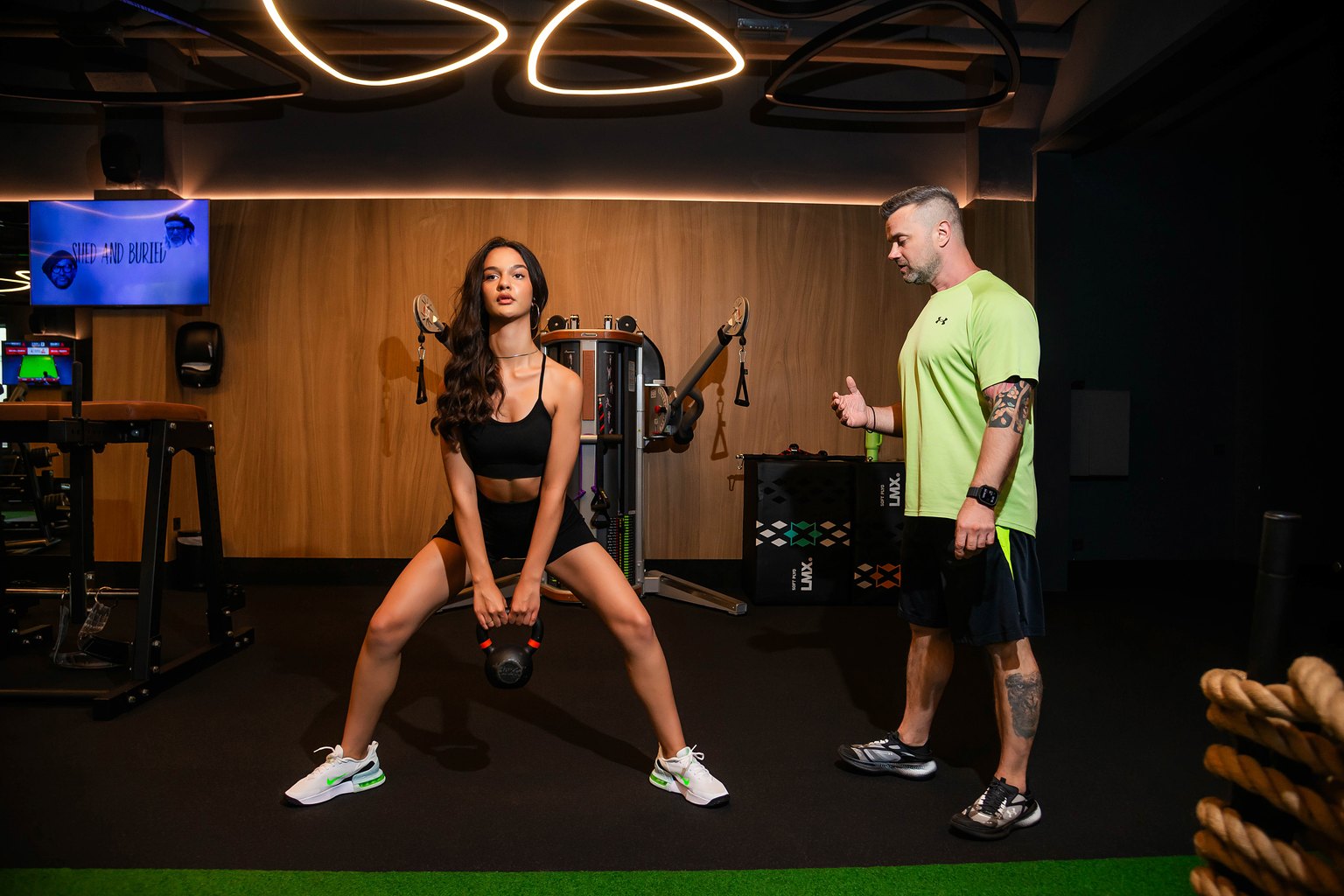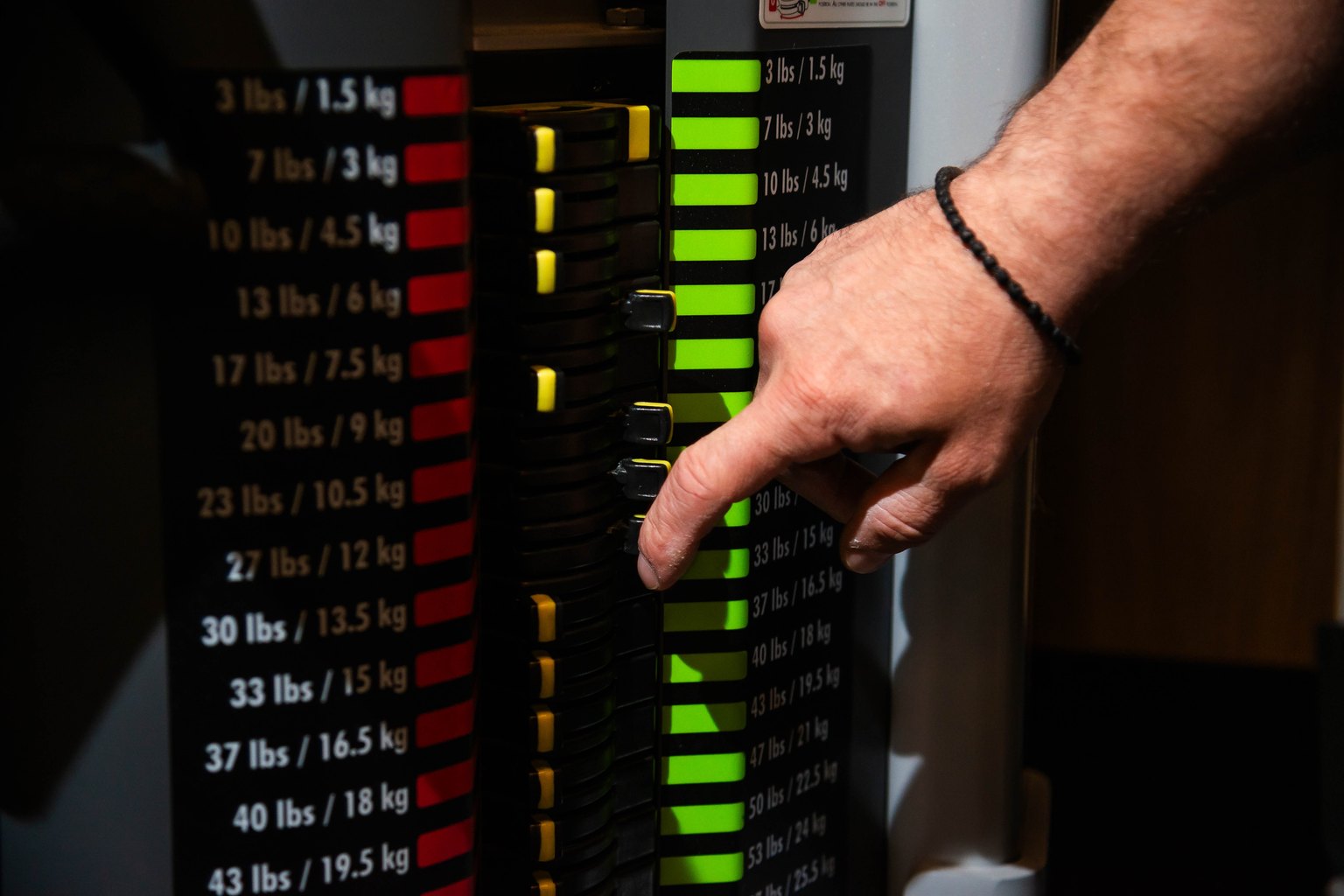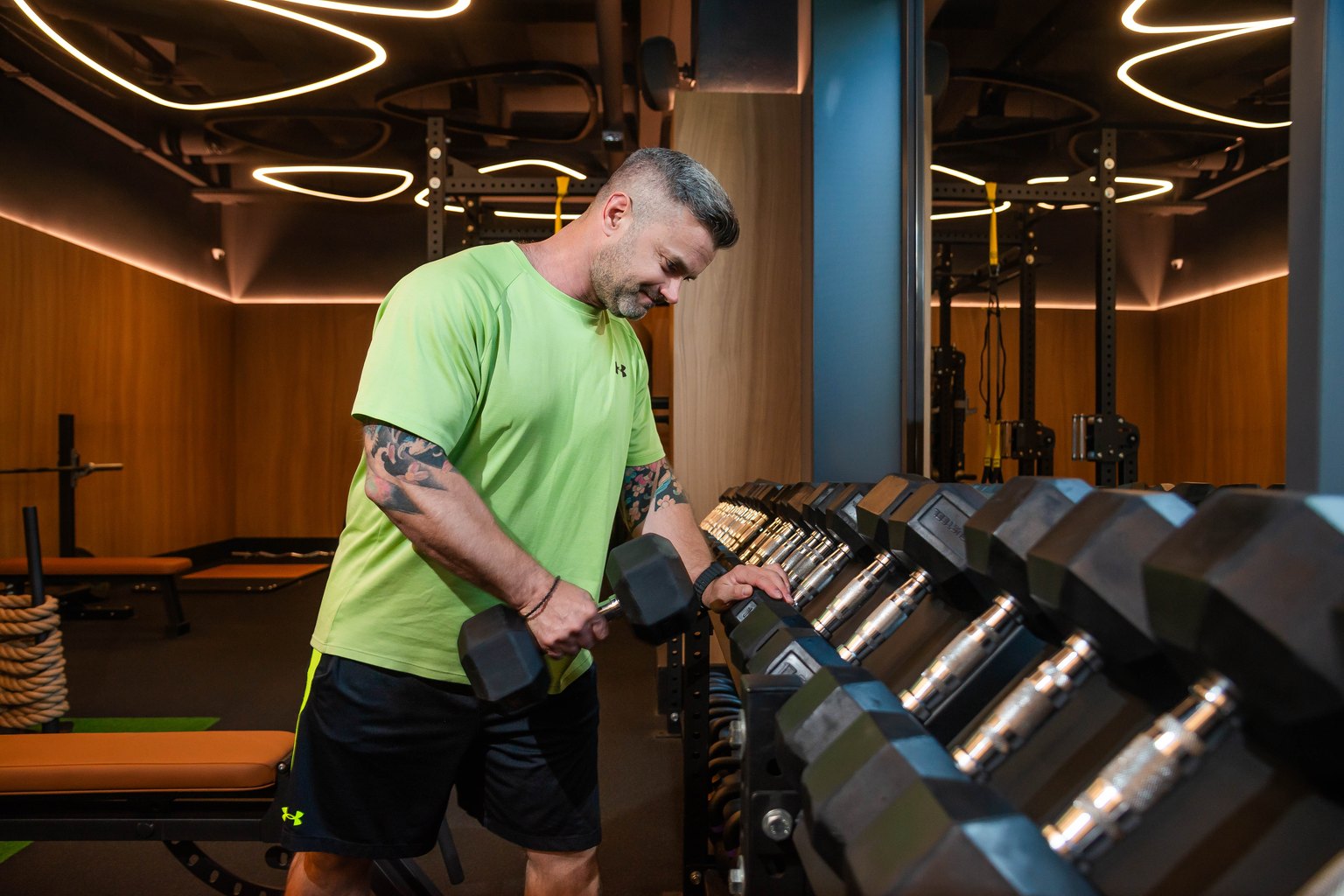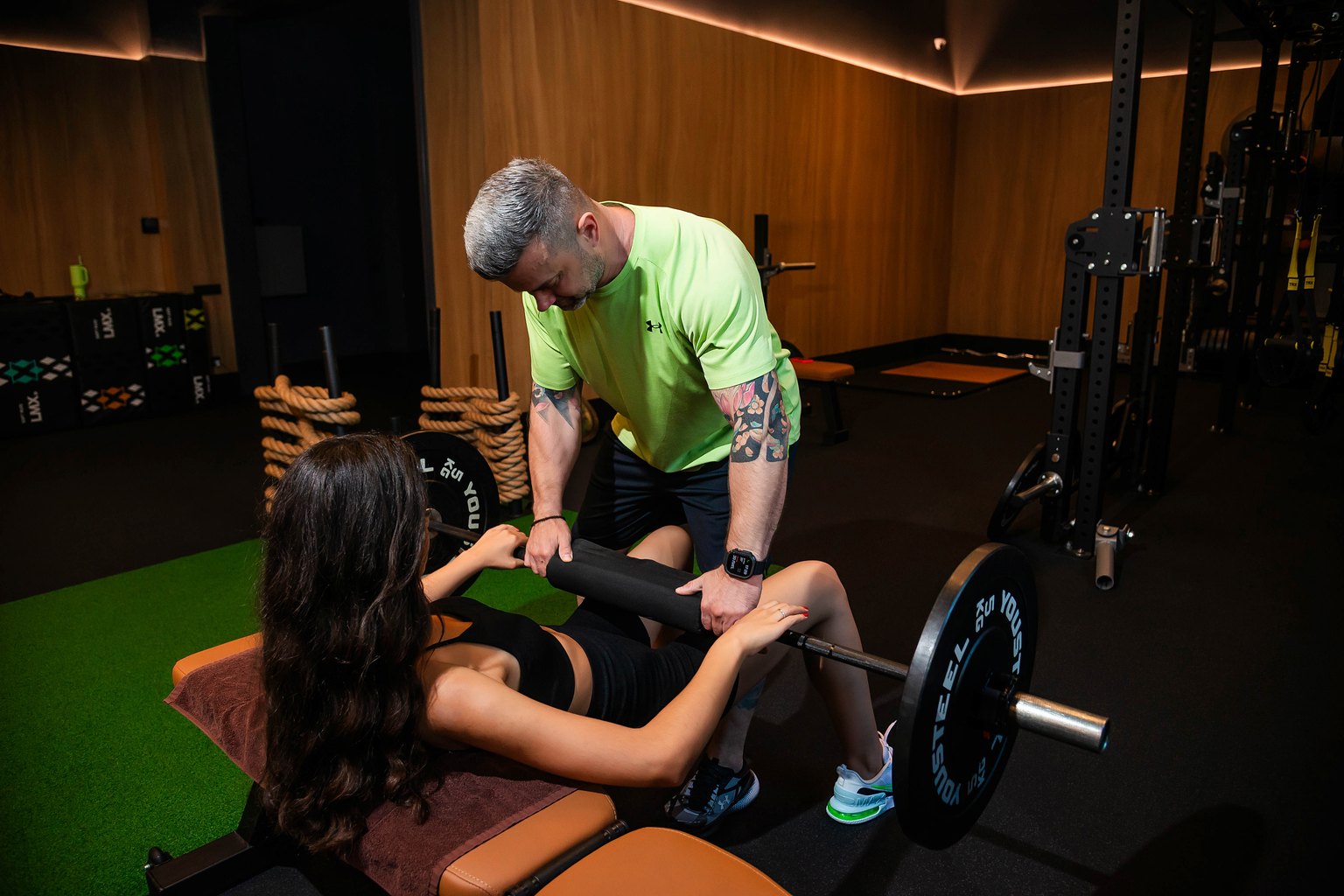
Aging is not a sentence. It is a process that can be significantly slowed down. And the most powerful tool we have today is not a pill, not an injection, but iron in the gym. Strength training as "medicine against aging" is no longer a metaphor. It is confirmed physiology.
In my practice at Sandler Wellness Center, I see people aged 45-65 every week who come in complaining of chronic fatigue, weight gain, joint pain, and a feeling of "falling apart." Most of them have avoided strength training for years because they thought, "it's not for my age." This is a mistake that comes at a high cost.
According to the Longitudinal Aging Study Amsterdam (n=1,964, 2022), sarcopenia — the progressive loss of muscle mass with age — begins as early as 30 years old at a rate of 3-8% per decade and accelerates after 60. But here’s the crucial point: muscle responds to training stimuli at any age. Even at 80.
Why is Sandler Wellness Center the right choice for strength training in mature age? Because we combine a gym, medical diagnostics, and rehabilitation under one roof. Your trainer sees not just a "client with a membership," but a person with specific health indicators, hormonal background, and functional limitations.
What Happens to the Body Without Strength Training: The Physiology of Aging
Muscle is not just a "motor for movement." It is the largest endocrine organ in the body.
Skeletal muscle secretes myokines — signaling molecules that regulate inflammation, glucose metabolism, cognitive functions, and even mood. Irisin, IL-6, BDNF, FGF21 — these are all myokines whose levels directly depend on muscle activity. Without strength training, their production decreases. And the body begins to "rust" from the inside.
What specifically happens without training after 40:
Muscles. Type II fibers (fast, powerful) atrophy first. By 70 years, their number can decrease by 25-40%. This explains why elderly people fall and cannot react in time — they simply lack neuromuscular reserve.
Bones. Bone tissue is remodeled throughout life. Osteoblasts build new bone, osteoclasts break down old bone. The balance shifts towards destruction around 40. According to the International Osteoporosis Foundation (2023), one in three women and one in five men over 50 will break a bone due to osteoporosis.
Hormones. Testosterone in men decreases by 1-2% annually after 30 (Harvard Health, 2023). In women after menopause — a sharp drop in estrogen and progesterone. Growth hormone and IGF-1 also decrease. The result is muscle loss, an increase in visceral fat, and a decline in cognitive functions.
Mitochondria. Cellular "power plants" degrade. A study by Mayo Clinic (Mayo Clinic Proceedings, 2017, n=3,200) showed that strength training literally "rejuvenates" mitochondria at the molecular level — increasing their density and efficiency in people aged 65+ to the level of trained 35-year-olds.
This is not theory. This is a mechanism we observe every day.
Strength Training for People Aged 40+: What Really Happens in the Cell
Strength training as "medicine against aging" is a statement that already has a clear biochemical explanation.
When a muscle receives a training stimulus beyond its usual level, a cascade of adaptive reactions is triggered:
mTOR signaling. Mechanical tension activates mTOR (mammalian target of rapamycin) — a key regulator of protein synthesis in the cell. Even in people aged 70+, mTOR responds to load. A study in the Journal of Physiology (2021, n=312) confirmed: the anabolic response in trained 65-year-olds is only 15% lower than in 30-year-olds. Without training, it is 60% lower.
Telomeres. Telomere length is one of the markers of biological age. A study in the European Heart Journal (2009, n=2,401) showed that people with higher levels of strength training have telomeres that are 200 base pairs longer compared to their sedentary peers. Simply put — cells are younger.
Neuroplasticity. BDNF (brain-derived neurotrophic factor), released during strength training, stimulates the growth of new neurons. A study in Frontiers in Aging Neuroscience (2022, n=645) recorded a 31% reduction in dementia risk in people with regular strength training compared to aerobic training without resistance.
Hormonal response. One heavy workout increases testosterone levels by 15-35% and growth hormone by 4-6 times (baseline recovers in 1-2 hours, but chronic adaptation persists). For women — strength training maintains IGF-1 levels, which is critically important for bone density after menopause.
Patients often ask: "Is it too late to start at 55?" The answer: this is the best time. Because the consequences of inactivity are already manifesting, and plasticity is still present.
→ See also: Fitness During Menopause: What to Change in Workouts After 45 and Why the Old Approach No Longer Works
Strength Training Protocols for People Aged 40-70: Specifics
Strength training as "medicine against aging" works only when the program takes into account age, hormonal status, joint condition, and goals. There is no one-size-fits-all protocol.
At Sandler Wellness Center, we start with functional diagnostics, which allows the trainer to build an adequate program.
Basic principles for ages 40-55:
Optimal volume — 3-4 strength sessions per week, 45-60 minutes. Intensity — 65-80% of one-repetition maximum. Focus on basic movements: squats, bench press, deadlifts, pull-ups, weighted planks. Progressive overload is key. Without progression, there is no stimulus for adaptation.
For ages 55-70:
Frequency and volume — the same or slightly less. But the important focus changes: more attention to movements in full amplitude, unilateral (one-sided) exercises for balance, and control of the lowering speed (eccentric phase). A study in the Journal of Strength and Conditioning Research (2020, n=189) showed: eccentric contractions are 47% more effective for hypertrophy in people aged 60+ compared to normal tempo.
Minimum effective dose protocol (for beginners 50+):
- 2 strength training sessions per week, 40 minutes
- 6-8 basic exercises with body weight and light weights
- Tempo: 3 seconds lowering, 1 second pause, 2 seconds lifting
- 10-15 repetitions in 2-3 sets
- Trainer consultation before starting — included in personal training
- Recovery control: sleep at least 7 hours, protein 1.6-2.0 g/kg body weight
The cost of personal training at Sandler Wellness Center: 2,000 UAH for 60 minutes. Split training (two clients): 2,500 UAH.
Results and Scientific Evidence: What Really Changes and When
First month: neuromuscular adaptation. Muscle does not yet increase, but becomes "smarter" — the brain learns to recruit more fibers. Strength increases by 20-30% without visible changes in size.
Three months: the first structural changes. Muscle mass increases by 1-2 kg, bone density begins to rise. A study by Osteoporosis International (2021, n=287) recorded a 2.8% increase in bone mineral density after 16 weeks of progressive strength training in women aged 55-70.
Six months: metabolic shifts. Insulin sensitivity improves by 20-30% (Journal of Clinical Investigation, 2023, n=847). Basal metabolism increases by 7-10% due to increased muscle mass. C-reactive protein levels (a marker of systemic inflammation) decrease.
One year and beyond: hormonal changes. In men — an increase in free testosterone by 12-18%. In women after menopause — significant stabilization of IGF-1. Improvements in memory and attention concentration were recorded in 78% of participants in long-term training programs (JAMA Internal Medicine, 2022, n=1,100).
I see this every week in our center. A person comes in with chronic fatigue — after 4 months, they say they wake up without an alarm clock. This is not placebo. This is mitochondria.
Contraindications and Safety: Honestly About Limitations
What is NOT a contraindication (despite common myths):
Osteoporosis — axial loads stimulate bone formation. Stable hypertension — moderate strength training actually lowers BP in the long term. Osteoarthritis — properly selected strength exercises reduce joint load by strengthening surrounding muscles. Age itself is not a limitation.
Check yourself before starting:
- Blood pressure is normal or under control
- No acute joint pain
- ECG or cardiological consultation (for 50+)
- Basic tests: glucose, thyroid hormones, complete blood count
- Consultation with a trainer regarding exercise technique — mandatory
At Sandler Wellness Center, the initial consultation with a neurologist or orthopedist is 3,500 UAH. It’s better to spend an hour on diagnostics than months on rehabilitation after an injury.
→ See also: Strength Training for Women: Why It's Not Scary and Very Necessary
Prices and Registration at Sandler Wellness Center, Kyiv
Strength training at Sandler Wellness Center is not just a "gym with iron." It is a structured program with a trainer who understands the physiology of aging.
Gym:
- Personal training, 60 minutes — 2,000 UAH
- Split training, 60 minutes — 2,500 UAH
Multifunctional room (Pilates, functional training):
- Pilates — 2,200 UAH
- Split training — 3,500 UAH
Dance room (stretching, mobility):
- Individual stretching — 1,900 UAH
- Group stretching (3-5 participants) — 1,200 UAH per participant
Medical support:
- Consultation with an orthopedist — 3,500 UAH
- Consultation with a therapist or neurologist — 3,500 UAH
For those who want to comprehensively understand their condition before starting training, I recommend the Universal Male or Female Check-up (ages 18-45) — from 19,000 UAH, or the corresponding package for 45+ — from 22,000 UAH for women.
You can register through the website sandler.com.ua or by calling the administrator. We are located at: 23 Kniaziv Ostrozky St, Kyiv.
Prices may change — please check the current cost with the administrator or at sandler.com.ua.
Frequently Asked Questions (FAQ)
Q: At what age should one start strength training to slow aging?
A: Ideally — before 35, but the scientifically proven effect persists at any age. A study by Tufts University (1994, n=100) showed: even in middle-aged residents of a nursing home aged 87, strength training resulted in a 113% increase in muscle strength over 10 weeks. You can and should start at any moment. The adaptation mechanism does not turn off with age — it just requires the right stimulus.
Q: How many times a week should one train for a real anti-aging effect?
A: The minimum effective volume for people aged 40+ is 2 strength sessions per week. The optimal is 3-4. A study in the British Journal of Sports Medicine (2022, n=1,252) established: even one or two strength training sessions per week reduce the risk of overall mortality by 23% compared to complete inactivity. This is not an inspirational quote — this is survival statistics.
Q: Can one engage in strength training with back or joint pain?
A: Yes, but with mandatory prior consultation. Chronic nonspecific back pain is associated in 80% of cases with weakness in the core and gluteal muscles, not with "wear" of the spine. Properly selected strength exercises eliminate the cause of pain. However, acute pain, radiculopathy with neurological deficit, or unstable fractures are reasons to see a doctor first, then a trainer. At Sandler Wellness Center, both specialists are in one place.
Q: How do strength training affect hormones in women after menopause?
A: This is one of the most important questions I hear from patients. After menopause, estrogen decreases — and along with it, bone density and muscle tone. Strength training increases IGF-1 levels, promotes the synthesis of osteocalcin (a marker of bone formation), and maintains testosterone levels within normal limits. A study in the Journal of Bone and Mineral Research (2020, n=440) recorded a 38% reduction in the risk of vertebral fractures in women aged 55-70 with regular strength training over 2 years. This is more powerful than most calcium medications.
Q: What is better for slowing aging — strength training or cardio?
A: This is a wrongly posed question. Both are needed, but the mechanisms are different. Cardio improves cardiovascular endurance and mitochondrial function. Strength training preserves muscle mass, bone density, and hormonal status — things that cardio cannot maintain. A meta-analysis by Cochrane (2023, 131 studies, n=12,900) showed: a combination of strength and aerobic loads yields 45% better results regarding overall health than each separately. At Sandler Wellness Center, we design such hybrid programs.
Q: Is additional protein needed during strength training in mature age?
A: Yes, and more than in youth. After 50, "anabolic resistance" develops — muscles respond worse to the same stimulus. To compensate for this, the protein requirement increases to 1.6-2.2 g per kg of body weight per day (ESPEN recommendations, 2022). For a person weighing 70 kg, this is 112-154 g of protein daily. Without sufficient protein, training is stress without recovery. Our nutritionist at Sandler Wellness Center will help create a diet tailored to your training plan (consultation — 3,500 UAH).
Conclusion
Strength training as "medicine against aging" is not a marketing slogan. It is a physiological reality backed by tens of thousands of hours of clinical research. Muscle secretes hormones, protects bones, nourishes the brain, and regulates metabolism. Without it, the body ages much faster.
The question is not whether to train. The question is how to do it right and safely — taking into account your age, health status, and goals.
This is where Sandler Wellness Center at 23 Kniaziv Ostrozky St in Kyiv differs from an ordinary fitness club. We combine a gym, medical diagnostics, rehabilitation, and nutrition in one space. Your trainer and doctor see the same person.
Sign up for personal training or consultation right now — at sandler.com.ua. Your muscles are not waiting for a convenient moment. They are simply continuing to age without stimulus.