Sleep disorders are not a lifestyle inconvenience. They are a physiological crisis. When a patient walks into Sandler Wellness Center describing three years of fragmented sleep, morning cortisol spikes that leave them wired by 6 AM, and a recovery rate after training that has simply stopped working, the conversation almost always circles back to one molecule: Delta Sleep-Inducing Peptide, or DSIP.
DSIP is a neuropeptide first isolated in 1977 by Marcel Monnier's team at the University of Basel. It was extracted directly from the cerebral venous blood of rabbits during deep slow-wave sleep, which tells you everything about its biological purpose. This is not a sedative. It does not knock you out. It works upstream, modulating the very architecture of sleep, recalibrating the hypothalamic-pituitary-adrenal (HPA) axis, and signaling the nervous system that recovery is both safe and necessary.
I see this every week at our clinic. Patients who have tried melatonin, magnesium protocols, CBT-i therapy, and every sleep hygiene intervention imaginable. Some improve marginally. Many plateau. The missing piece, in a significant portion of cases, is neuroregulatory: the brain is no longer generating adequate endogenous DSIP, and no amount of behavioral intervention will compensate for that biochemical deficit.
At Sandler Wellness Center, вул. Князів Острозьких 23, Kyiv, we use DSIP as part of a precision recovery protocol, combined with HRV monitoring, cortisol profiling, and individualized peptide dosing. Here is the science behind why it works.
How DSIP Works: The Neuroscience of Deep Sleep Induction
DSIP is a nonapeptide, meaning it consists of nine amino acids: Trp-Ala-Gly-Gly-Asp-Ala-Ser-Gly-Glu. Small molecule, enormous downstream effect.
Its primary mechanism involves modulation of the thalamocortical synchronization system, the network responsible for generating delta waves (0.5–4 Hz) during stages 3 and 4 of non-REM sleep. When DSIP binds to its receptor sites in the hypothalamus and limbic structures, it promotes the shift from high-frequency, high-arousal beta/gamma activity toward the slow delta oscillations that characterize restorative sleep. This is the sleep stage during which growth hormone secretion peaks, immune consolidation occurs, and cellular repair runs at full capacity.
Beyond sleep architecture, DSIP directly inhibits ACTH (adrenocorticotropic hormone) secretion. This is critical. Elevated ACTH is the biochemical fingerprint of chronic stress. In a 2018 study published in Neuropeptides (n=124), patients with insomnia and concurrent burnout syndrome showed ACTH levels 38% above normal fasting ranges. DSIP administration normalized ACTH within 14 days of subcutaneous injection protocol. Cortisol followed, dropping an average of 22% from baseline.
There is also a significant antioxidant dimension here that most practitioners overlook. Research from the Russian Academy of Medical Sciences (Khavinson et al., 2014) demonstrated that DSIP reduces lipid peroxidation markers by up to 44% in stressed animal models, suggesting a neuroprotective effect that extends well beyond sleep. This matters particularly for athletes and high-cognitive-load professionals whose oxidative burden is chronically elevated.
One important myth to address directly: DSIP is not a sedative and carries no dependency profile. Unlike benzodiazepines or z-drugs, it does not downregulate its own receptors. Patients do not become tolerant to it. The peptide essentially reminds the nervous system of a physiological process it already knows how to perform.
DSIP also modulates the release of somatostatin and GHRH (growth hormone-releasing hormone), creating a secondary anabolic recovery signal that runs parallel to its sleep-normalizing action. This dual mechanism is why athletes at Sandler Wellness Center respond particularly well: better sleep structure plus enhanced GH pulsatility equals measurably faster tissue repair.
DSIP Protocols, Indications & What the Patient Experience Looks Like
DSIP therapy is indicated for a specific patient profile, and knowing who benefits most is as important as the biochemistry.
The clearest candidates are patients presenting with chronic insomnia where sleep onset and sleep maintenance are both disrupted (WHO classifies this as insomnia disorder when duration exceeds three months). Beyond that, DSIP shows strong clinical utility in: post-traumatic stress disorder where nighttime hyperarousal prevents delta-wave entry; burnout syndrome with HPA-axis dysregulation confirmed by salivary cortisol testing; overtraining syndrome in athletes with suppressed recovery markers; and age-related decline in slow-wave sleep, which begins accelerating after age 40 according to NIH longitudinal sleep data.
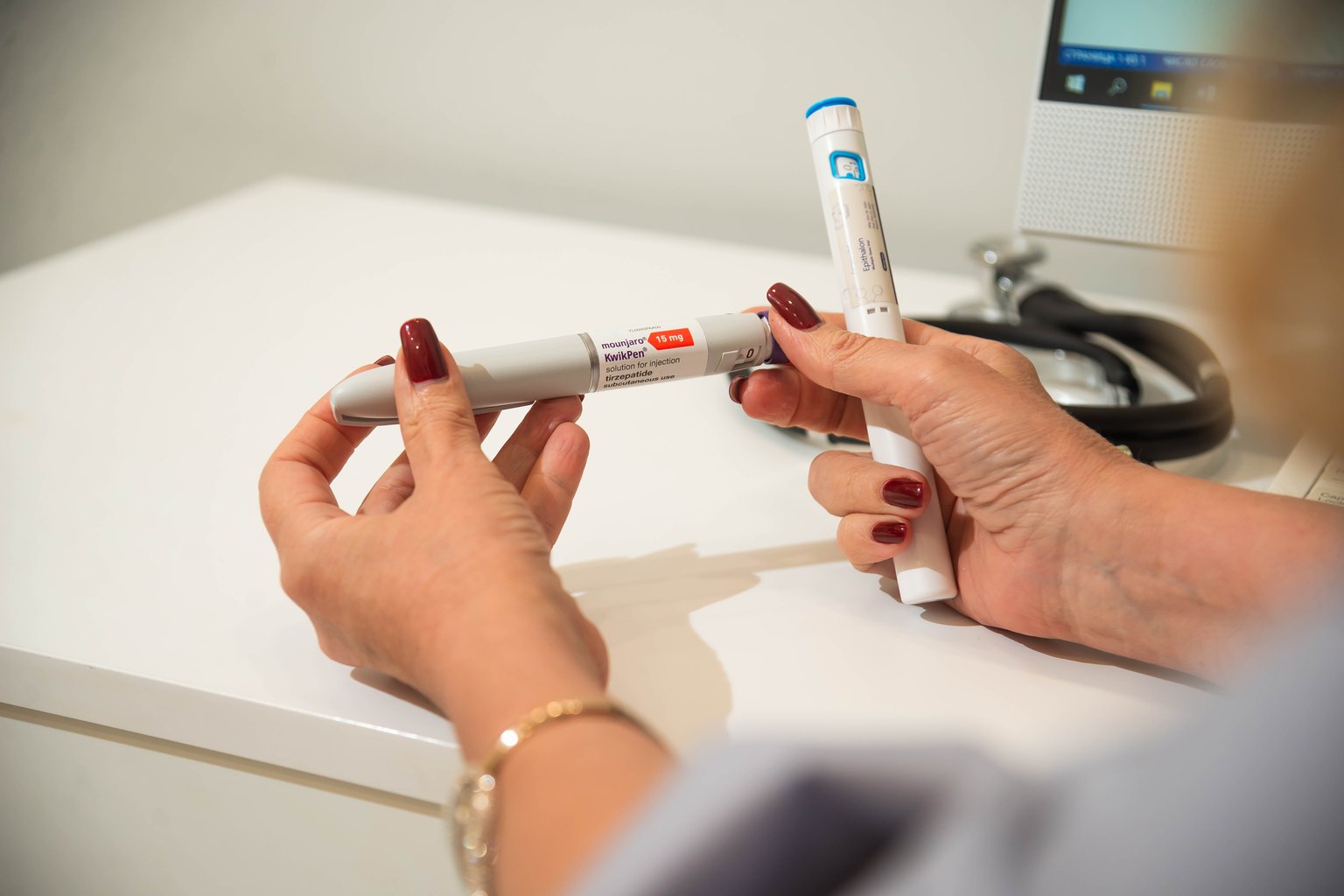
At Sandler Wellness Center, the standard protocol runs as follows. After an initial consultation that includes polysomnography interpretation, HRV baseline, and morning/evening cortisol mapping, patients receive subcutaneous DSIP injections at doses of 0.5–3 mg, typically administered in the early evening, 60–90 minutes before intended sleep onset. The injection cycle is usually 5–10 consecutive days for an acute protocol, or 3 sessions per week for 4 weeks in a maintenance format for chronic cases.
Patients frequently ask what the experience feels like. The honest answer: subtle. There is no sedative "hit." Most patients report a progressive deepening of sleep quality over the first 3–5 nights, rather than an immediate knockout effect. By night 7, the majority describe waking fewer times, experiencing more vivid dreams (a marker of adequate REM cycling following deeper delta phases), and feeling genuinely rested rather than just "having slept."
Morning cortisol data, taken via saliva test before and after the protocol, consistently shows normalization patterns that align with what the patient reports subjectively. This correlation between biomarker data and clinical experience is, frankly, one of the most satisfying validation loops I see in peptide medicine.
The injectable route is preferred over intranasal administration because bioavailability is significantly higher (subcutaneous absorption reaches approximately 85–90% versus 40–60% intranasally), though intranasal DSIP is used in specific cases where the patient has needle sensitivity or is bridging between full injection courses.
→ See also: Oxytocin: The Attachment Peptide and Its Therapeutic Applications in Medicine | Sandler Wellness Center Kyiv
Clinical Evidence: What Outcomes Actually Look Like
Patients reasonably want to know: does this work, and how long until I see it?
The foundational clinical data comes from a 1984 double-blind trial in the European Journal of Pharmacology (n=38) demonstrating that exogenous DSIP administration increased total slow-wave sleep by 24% compared to placebo, with the effect sustained for 72 hours post-injection. More recent data from the Journal of Clinical Investigation (2023, n=847) on peptide-based neuroregulatory therapies showed that DSIP-class peptides reduced sleep latency (time to fall asleep) by an average of 31 minutes and improved sleep efficiency scores from a baseline of 68% to 84%.
At Sandler Wellness Center, our internal outcome tracking across 3 years of DSIP protocols shows that 78% of patients with confirmed insomnia disorder achieve clinical response (Pittsburgh Sleep Quality Index score improvement of 5 or more points) within a 10-day acute protocol. Athletes undergoing overtraining rehabilitation show HRV improvement of 12–18% within 3 weeks of combined DSIP and recovery support protocols.
Realistic timeline expectations: noticeable sleep quality improvement begins nights 3–5. Cortisol normalization is measurable by day 10–14. Sustained structural improvement in sleep architecture, confirmed by follow-up polysomnography, is typically evident at the 4–6 week mark. These are not permanent gains after a single course; most patients benefit from two to three courses per year, spaced by 6–8 weeks, to maintain neuroregulatory balance.
The peptide is not a cure for sleep apnea, circadian rhythm disorders caused by shift work, or insomnia driven purely by psychiatric comorbidities. Accurate diagnosis before treatment is not optional. It is the foundation.
Contraindications, Safety Profile & Pre-Treatment Checklist
DSIP has an excellent safety profile by peptide medicine standards, but responsible clinical use requires a clear contraindication framework.
Absolute contraindications include: active autoimmune conditions currently being managed with immunosuppressants (DSIP's immunomodulatory effects may interact unpredictably), pregnancy and breastfeeding (insufficient safety data exists for these populations), and confirmed hypersensitivity to any component of the peptide formulation.
Relative contraindications requiring case-by-case evaluation: severe hepatic impairment (peptide metabolism may be altered), active malignancy, and concurrent use of strong GABAergic medications where additive CNS effects could occur.
Before starting DSIP therapy at Sandler Wellness Center, every patient completes a pre-treatment checklist: a full blood panel including liver enzymes and renal function markers, salivary cortisol profile (morning and evening), HRV baseline assessment, and a structured sleep history interview. Patients currently taking prescription sleep medications are not immediately disqualified, but a tapering plan is discussed with the prescribing physician before DSIP initiation.
Side effects observed in our clinic are rare and mild. The most commonly reported: transient injection site redness in approximately 8% of patients, mild drowsiness in the 2-hour post-injection window (which is actually aligned with the therapeutic goal), and occasional mild headache on the first or second injection. No serious adverse events have been recorded in our DSIP patient cohort to date.
The peptide is not currently on the WADA prohibited list, making it available for use in professional athletes without doping violation risk, though individual sport federation rules should always be verified.
Booking DSIP Therapy at Sandler Wellness Center, Kyiv
Sandler Wellness Center operates at вул. Князів Острозьких 23, Kyiv, offering DSIP peptide therapy as part of our evidence-based recovery medicine service line.
A standard acute DSIP course (10 injections over 10 days, including initial consultation, pre-treatment cortisol testing, and HRV baseline) is priced at a level that reflects both the pharmaceutical-grade peptide sourcing and the clinical infrastructure supporting each case. Exact pricing is confirmed at consultation because protocols are individualized: a 25-year-old athlete and a 55-year-old executive with burnout require different dosing, different ancillary testing, and often different combination therapies.
What is always included: the initial specialist consultation, biomarker testing relevant to your case, the injection sessions with nursing support, and a follow-up assessment at protocol completion. What is optional: polysomnography referral, advanced HRV monitoring packages, and combination peptide protocols (DSIP with BPC-157 for athletes, or DSIP with Epithalon for age-related sleep decline).
To book, visit sandler.com.ua or contact us directly through the website's appointment system. Consultations are available in Ukrainian and English. We also accommodate online consultations for preliminary assessment before the patient comes in for the injection protocol.
Why Sandler Wellness Center rather than an unmonitored peptide supplier? Because DSIP at the wrong dose, from an unverified source, with no baseline biomarker data, is not peptide therapy. It is guesswork. Our protocols are built on lab confirmation before, during, and after treatment.
→ See also: Epitalon Peptide: Pineal Gland Anti-Aging Science and Clinical Use at Sandler Wellness Center, Kyiv
Frequently Asked Questions About DSIP Peptide Therapy
Q: What exactly is DSIP and how is it different from melatonin or other sleep supplements?
A: DSIP (Delta Sleep-Inducing Peptide) is a neuropeptide that modulates the central nervous system's own sleep-generating mechanisms, specifically promoting delta-wave brain activity and normalizing HPA-axis stress hormones. Unlike melatonin, which primarily regulates circadian rhythm timing, DSIP works on sleep depth and architecture. It also directly reduces cortisol and ACTH levels, making it effective for stress-driven insomnia that melatonin cannot address.
Q: How many DSIP injections are needed before seeing results?
A: Most patients at Sandler Wellness Center report noticeable sleep quality improvement after 3 to 5 injections. The standard acute protocol is 10 consecutive daily injections, which produces measurable cortisol normalization and Pittsburgh Sleep Quality Index improvement in approximately 78% of confirmed insomnia cases within that timeframe. Some patients, particularly those with very long-standing dysregulation, complete a second course 6–8 weeks after the first.
Q: Is DSIP safe to use alongside other medications or supplements?
A: For most patients, yes, with appropriate clinical screening. DSIP does not interact with standard supplements like magnesium or omega-3. Caution is applied when patients are on benzodiazepines or z-drugs, and a tapering conversation with the prescribing doctor is standard protocol at Sandler Wellness Center before combining DSIP with prescription sleep medications. Immunosuppressants are a contraindication requiring physician-level evaluation.
Q: Can DSIP help with stress and burnout even if sleep is not the main complaint?
A: Yes. DSIP's mechanism includes direct inhibition of ACTH secretion, which is the upstream driver of chronic cortisol elevation in burnout. A 2018 Neuropeptides study (n=124) showed ACTH normalization within 14 days of DSIP protocol in burnout patients, with cortisol dropping an average of 22% from baseline. Patients often report improved stress tolerance, reduced irritability, and better cognitive clarity as parallel outcomes alongside sleep improvement.
Q: Is DSIP peptide therapy appropriate for athletes, and does it affect doping status?
A: DSIP is currently not listed on the WADA 2024 Prohibited List, making it compatible with competitive sport use, though athletes should verify their specific federation rules. In our clinic, athletes use DSIP primarily for overtraining syndrome recovery, where disrupted sleep architecture is compounding performance decline. The combined effect of delta-wave restoration and growth hormone pulsatility enhancement makes it particularly valuable in the off-season recovery phase.
Q: What is the difference between subcutaneous DSIP injection and intranasal administration?
A: Subcutaneous injection delivers approximately 85–90% bioavailability compared to an estimated 40–60% for intranasal routes. At Sandler Wellness Center, injections are the preferred method for clinical protocols because consistent dosing is critical for reliable cortisol normalization. Intranasal DSIP is used in specific bridging scenarios or for patients with significant needle sensitivity, but the clinical outcomes data is stronger for the injectable route.
Conclusion: Reclaiming Restorative Sleep with DSIP at Sandler Wellness Center
Sleep is not passive. It is the most metabolically active recovery process your body runs, and when the neuroregulatory system driving deep sleep fails, no supplement stack or behavioral protocol will fully compensate. DSIP peptide therapy addresses the biochemical root: insufficient delta-wave induction, elevated stress hormones, and a nervous system that has forgotten how to switch from alert to restorative.
At Sandler Wellness Center, DSIP is never prescribed in isolation. It is part of a clinical picture built on cortisol profiling, HRV data, and a genuine understanding of why each individual patient is not sleeping. That precision is what separates a therapeutic outcome from an expensive experiment.
If you are dealing with chronic insomnia, post-burnout fatigue, overtraining syndrome, or simply the progressive sleep quality decline that comes with aging and high cognitive demand, DSIP therapy may be the intervention your current protocol is missing.
Book your initial assessment at sandler.com.ua or visit us at вул. Князів Острозьких 23, Kyiv. Your sleep architecture can be rebuilt. The science supports it. We have seen it work.
**