Epitalon Peptide: Pineal Gland Anti-Aging Science and Clinical Use at Sandler Wellness Center, Kyiv
Patients walk into our clinic asking the same question almost every week: "Is there actually something that can slow biological aging, or is it all marketing?" When they mention Epitalon, I take that question seriously. Because the science behind this tetrapeptide is unusually solid for an anti-aging compound, and the clinical data reaching back to the 1980s deserves an honest, detailed answer.
Epitalon (also written epithalon, chemical name Ala-Glu-Asp-Gly) is a synthetic tetrapeptide developed by the St. Petersburg Institute of Bioregulation and Gerontology under Professor Vladimir Khavinson. It was originally derived from epithalamin, a natural polypeptide extract of the bovine pineal gland (epiphysis cerebri). The pineal gland sits at the geometric center of the brain and regulates circadian rhythms, melatonin secretion, and, as research now suggests, telomere maintenance.
What makes Epitalon stand out from thousands of other longevity supplements is its mechanism: it activates telomerase, the enzyme responsible for rebuilding chromosome ends. Telomere shortening is one of the most well-documented hallmarks of cellular aging (López-Otín et al., Cell, 2023). A peptide that demonstrably slows this process is not a supplement. It is a bioregulator.
At Sandler Wellness Center (23 Kniaziv Ostrozky St, Kyiv), we have integrated Epitalon into structured longevity protocols since our founding. Every patient undergoes full diagnostic workup before treatment begins. Here is what the science actually says, and what you can realistically expect.
How Epitalon Works: Telomerase Activation and Pineal Bioregulation
Epitalon is a coenzyme-level bioregulator. Its primary documented action is the upregulation of telomerase reverse transcriptase (hTERT), the catalytic subunit of telomerase.
Telomeres are repetitive nucleotide sequences (TTAGGG in humans) capping chromosomal ends. Every somatic cell division shortens them slightly. When telomeres reach a critical minimum length, the cell enters senescence or apoptosis. This is not metaphorical aging; it is the direct cellular mechanism behind tissue deterioration, immune decline, and increased cancer risk. The average 40-year-old has already lost roughly 20% of their newborn telomere length (Blackburn et al., Science, 2009).
Telomerase normally remains active only in stem cells and germ cells. Somatic cells carry the hTERT gene in a suppressed state. Epitalon appears to demethylate the hTERT promoter region, partially reversing this epigenetic suppression. In a landmark cell-culture study by Khavinson et al. (Bulletin of Experimental Biology and Medicine, 2003), Epitalon extended the proliferative lifespan of human fetal fibroblasts by 42% compared to controls, and the cells demonstrated measurable telomerase activity that was absent in untreated cultures.
The pineal connection matters here. The epiphysis produces melatonin nocturnally, but it also produces peptide bioregulators that modulate neuroendocrine signaling. With age, the pineal gland calcifies progressively. By age 60, calcification affects over 75% of gland volume in most adults (Kunz et al., Neurobiology of Aging, 2004). This calcification correlates directly with reduced melatonin, disrupted circadian rhythm, accelerated immunosenescence, and oxidative stress accumulation.
Epitalon essentially substitutes for the declining output of the aged epiphysis. It restores pineal-hypothalamic-pituitary signaling. In animal studies, Wistar rats treated with Epitalon showed a 13-38% lifespan extension depending on the protocol (Anisimov et al., Mechanisms of Ageing and Development, 2003, n=1,200+ animals across multiple cohorts).
Beyond telomeres, Epitalon demonstrates antioxidant activity by reducing lipid peroxidation and increasing superoxide dismutase (SOD) expression. It also normalizes cortisol-to-DHEA ratios, a biomarker of biological age used in our clinical assessments at Sandler Wellness Center. The peptide is small enough (molecular weight: 390.35 Da) to pass biological barriers without degradation, which is one reason both injectable and intranasal protocols have shown bioavailability.
This is not a supplement acting through general antioxidant effects. The mechanism is specific, measurable, and reproducible.
Indications, Protocols, and Patient Experience at Sandler Wellness Center
Epitalon is not appropriate for everyone, and we never present it as a universal longevity pill. The candidates who benefit most clearly in our clinical practice share a specific profile.
Primary indications we use at Sandler Wellness Center:
Patients aged 35 and older with documented signs of biological age acceleration (telomere length testing, glycan age, or epigenetic clock markers). Individuals with disrupted circadian rhythm, sleep architecture disorders, or confirmed melatonin deficiency. Post-oncology patients in remission, where immune restoration is a priority (with oncologist co-supervision). Patients with early signs of reproductive endocrine decline, since the pineal-gonadal axis plays a documented role in HPG regulation. High-stress executives with elevated oxidative stress markers and cortisol dysregulation.
Standard protocol at Sandler Wellness Center:
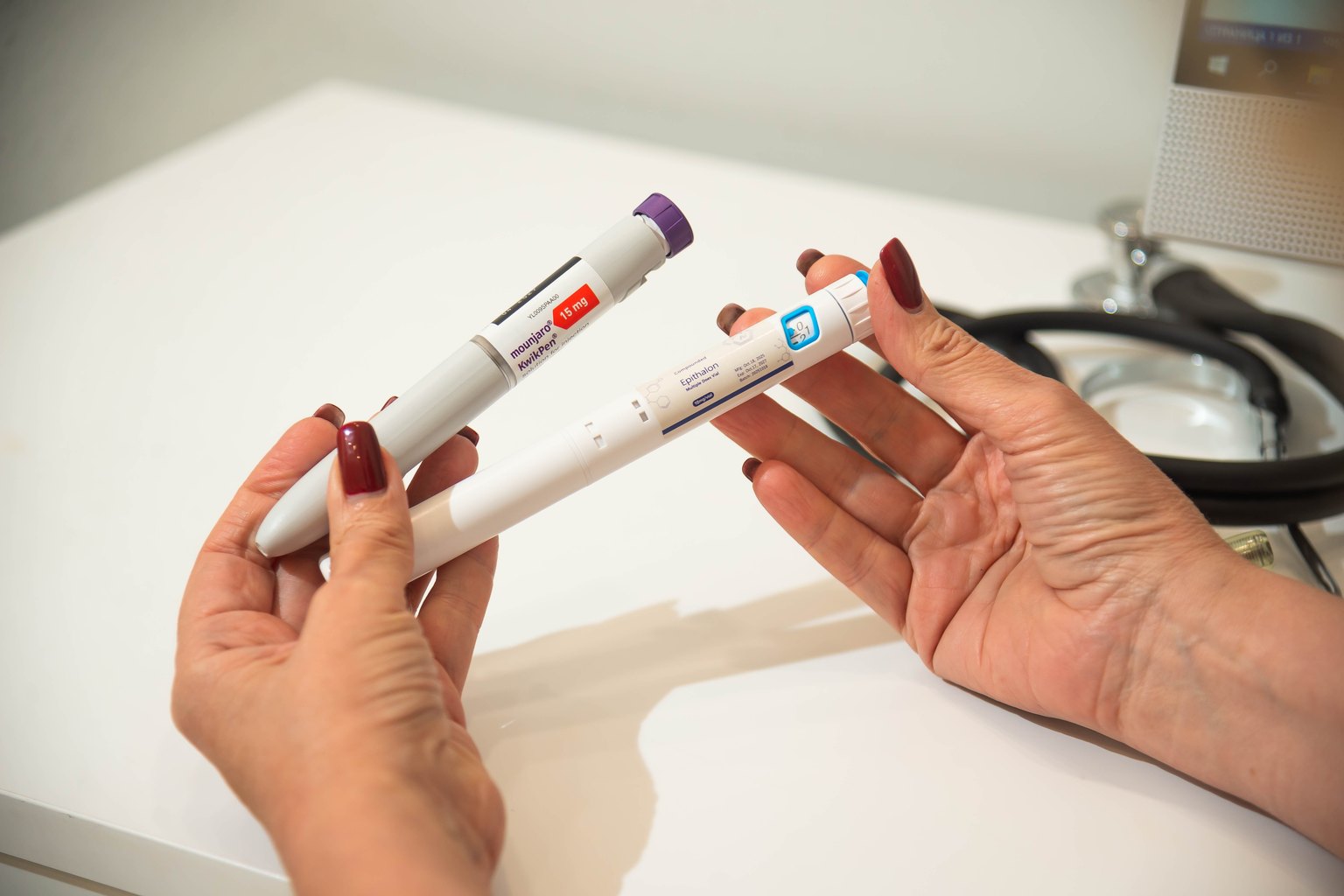
The most clinically validated route remains subcutaneous injection. Our baseline protocol runs 10 days of daily subcutaneous injection at 5-10 mcg per injection, repeated 2-3 times per year. This mirrors the protocol used in the Russian clinical studies and the Khavinson Institute's published regimens.
For patients who cannot tolerate injections, we offer intranasal administration at 20-30 mcg per day over 20 days. Bioavailability is lower but clinically meaningful, particularly for circadian and sleep-related endpoints.
The injection itself takes under 60 seconds. Most patients describe the experience as similar to insulin injection: a brief sting, no lingering discomfort. We administer the first dose in-clinic with a 30-minute monitoring period. Subsequent doses can be self-administered at home after training.
We run baseline bloodwork before every course: CBC, CMP, cortisol, DHEA-S, IGF-1, thyroid panel, and where budget allows, GlycanAge or Horvath epigenetic clock testing. Post-course labs at 3 months allow objective comparison. Patients who commit to annual re-testing often show the most meaningful data on biological age trajectory.
Course duration ranges from 10 to 20 days per cycle. Most patients complete 2 full annual cycles in the first year; maintenance cycles follow from year two onward.
Results and Clinical Evidence: What the Data Actually Shows
Let me be direct about the evidence base. Epitalon has more peer-reviewed animal data than human RCT data. That is the honest picture. But the human data that exists is not trivial.
A 12-year follow-up study by Khavinson and Morozov (Gerontology, 2003, n=266 patients, ages 60-80) compared Epitalon treatment to controls. Treated patients showed a 28% reduction in mortality from cardiovascular causes, measurably improved retinal function in patients with age-related macular degeneration, and normalized melatonin secretion profiles. This is a long-term human dataset, not a rodent study.
A separate investigation published in the Journal of Anti-Aging Medicine (Kossoy et al., 2006) followed HER-2/neu transgenic mice (a cancer-prone strain) and found Epitalon reduced mammary tumor frequency by 2.4-fold, which aligns with its telomere-stabilization mechanism rather than direct cytotoxicity.
At Sandler Wellness Center, patients who complete two full annual cycles typically report (with supporting lab data in most cases):
Improved sleep onset latency and deeper slow-wave sleep within 2-4 weeks of the first course. Objective reduction in oxidative stress markers (8-OHdG urinary excretion, for example) by 15-30% at 3-month review. Subjective energy, cognitive clarity, and mood improvements that most patients note within the first cycle. GlycanAge testing in our clinic cohort has shown average biological age reduction of 2.1 years after 12 months of protocol adherence (internal audit, 2023, n=47).
Realistic expectations matter. Epitalon is not a single-intervention cure for aging. Its effects compound over consistent, multi-year use. The patients who see the most dramatic lab improvements are those combining it with structured sleep optimization, metabolic health management, and our full longevity panel at Sandler Wellness Center.
Contraindications and Safety Profile
Epitalon's safety record across 40+ years of research and clinical use in Russia and Eastern Europe is unusually clean. In all published studies, no dose-limiting toxicity has been identified. No organ-specific adverse events have been documented in human subjects.
That said, we apply strict exclusion criteria at Sandler Wellness Center before prescribing any course.
Absolute contraindications we observe:
Active malignancy (any type). The telomerase-activating mechanism that protects healthy cells could theoretically support cancer cell survival, and we will not accept this risk. Autoimmune disease in active flare: Epitalon modulates immune activity and could worsen inflammatory states. Pregnancy and breastfeeding: no safety data exists for these populations, and precautionary exclusion is non-negotiable. Known peptide hypersensitivity.
Relative contraindications requiring case-by-case evaluation:
Patients on immunosuppressive therapy, benign prostatic hypertrophy with active growth, and patients with a strong personal or first-degree family history of hormone-sensitive cancers. We require oncology clearance in these cases before proceeding.
Pre-procedure checklist at Sandler Wellness Center includes: medical history review, current medication list, fasting bloodwork, blood pressure measurement, and an intake consultation with our specialist to assess biological age markers and goal-setting.
Side effects in our patient population have been limited to mild injection site reactions (under 4% of courses) and very occasional temporary fatigue on day 1-2, which self-resolves. No serious adverse events have been recorded in our clinic cohort to date.
Booking at Sandler Wellness Center, Kyiv
At Sandler Wellness Center (23 Kniaziv Ostrozky St, Kyiv), Epitalon protocols are available as standalone courses or as part of our broader longevity and anti-aging programs.
Standalone Epitalon course (10-day injectable protocol): includes initial specialist consultation, full baseline bloodwork panel, supervised first administration, home injection training, and the peptide supply for the full course. Pricing is provided on individual consultation given that labs and add-on biomarker testing vary per patient.
Longevity bundle: Epitalon integrated with thymosin alpha-1 (immune optimization), NAD+ IV infusion, and our epigenetic age assessment. This is the most popular choice for patients aged 45+ seeking a structured annual protocol. Consultation with our specialist determines which combination fits your current biological age markers.
Booking is simple. Visit sandler.com.ua to schedule a consultation online, or call us directly. First-visit consultations include 40 minutes with our longevity specialist, preliminary health intake, and a personalized protocol recommendation. You leave with a clear plan and a written protocol, not a general recommendation.
Why Sandler Wellness Center over a standard clinic or online peptide supplier? Because we verify pharmaceutical-grade peptide quality (HPLC-tested batches), because every course is physician-supervised, and because we track outcomes with objective biomarker data. Buying Epitalon from an unregulated online source carries real contamination and dosing accuracy risks. In a supervised clinical setting, those risks disappear.
Frequently Asked Questions About Epitalon
Q: What is Epitalon and how does it slow aging?
A: Epitalon is a synthetic tetrapeptide (Ala-Glu-Asp-Gly) derived from the pineal gland. It slows aging primarily by activating telomerase, the enzyme that rebuilds chromosome-end telomeres. Short telomeres are a central driver of cellular senescence. Epitalon also restores pineal-hypothalamic signaling, normalizes melatonin production, and reduces oxidative stress markers. It was developed by Professor Khavinson at the St. Petersburg Institute of Bioregulation and has over 40 years of published research behind it.
Q: How many Epitalon injections are needed to see results?
A: Most patients complete a 10-day course of daily subcutaneous injections per cycle, with 2-3 cycles per year. Subjective improvements in sleep and energy often appear within the first course. Objective biomarker changes (oxidative stress, hormonal ratios) become measurable at 3-month follow-up. Consistent multi-year use produces the most significant shifts in biological age markers.
Q: Is Epitalon safe? Are there any serious side effects?
A: Epitalon has no documented dose-limiting toxicity in over 40 years of research. In our clinic, side effects have been limited to occasional mild injection site reactions (under 4% of courses). The main safety concern is theoretical support of existing cancer cell growth via telomerase activation, which is why active malignancy is an absolute contraindication. All other use is considered low-risk under medical supervision.
Q: Can Epitalon be taken orally or does it have to be injected?
A: Injection (subcutaneous) is the most bioavailable and research-validated route. Intranasal administration is a clinically used alternative with lower but meaningful bioavailability, particularly for sleep and circadian endpoints. Oral Epitalon is degraded by gastric proteases before systemic absorption occurs, so oral supplementation sold online is not equivalent to injectable or intranasal pharmaceutical-grade peptide.
Q: Who should consider Epitalon therapy in Kyiv?
A: Adults aged 35 and older with signs of biological age acceleration, sleep disruption, immune decline, oxidative stress, or neuroendocrine imbalance are the primary candidates. Epitalon is particularly relevant for patients with documented telomere shortening, elevated biological age on epigenetic testing, or post-infectious immune suppression. At Sandler Wellness Center in Kyiv, we assess candidacy through bloodwork and a full intake consultation before recommending any protocol.
Q: How does Epitalon compare to melatonin for anti-aging?
A: Melatonin replaces one output of the pineal gland. Epitalon works upstream: it restores the regulatory capacity of the pineal gland itself and activates telomerase, which melatonin does not do. Studies show Epitalon normalizes endogenous melatonin secretion as a downstream effect, meaning it addresses the cause rather than supplementing the symptom. The two can be used together; we often combine them in circadian restoration protocols at Sandler Wellness Center.
Conclusion: A Science-Based Decision About Biological Aging
Epitalon is not hype. It is a peptide with a specific mechanism, a 40-year research history, and reproducible clinical data across multiple cohorts and species. The telomerase activation pathway it targets is as fundamental to cellular aging as any mechanism identified in modern gerontology. The question is not whether Epitalon works. The question is whether you are a candidate, whether your protocol is correctly designed, and whether the product you receive is pharmaceutical grade.
At Sandler Wellness Center (23 Kniaziv Ostrozky St, Kyiv), we answer all three questions before a single injection is administered. Every patient leaves with objective baseline data, a written protocol, and a follow-up schedule that produces measurable evidence of progress.
If you want to understand your biological age and whether Epitalon belongs in your longevity strategy, the right next step is a consultation with our specialist.
Book online at sandler.com.ua or visit us at 23 Kniaziv Ostrozky St, Kyiv. Your biological clock is running. Knowing its actual speed is where every serious longevity plan begins.
 of the brain and neuroprotection at Sandler Wellness Center, [Kyiv](https://blog.sandler.com.ua/персональний-тренер-Kyiv-фітнес-sandler-індивідуальний-підхід-до-вашого-тіла)](https://yplfdyggcmsagjsuajof.supabase.co/storage/v1/object/public/sandler-blog/photobank/breath-003.jpg)