PT-141 (Bremelanotide) Peptide for Sexual Function: Mechanism, Clinical Data & Treatment at Sandler Wellness Center Kyiv
Sexual dysfunction affects roughly 43% of women and 31% of men worldwide, according to a 2023 meta-analysis published in the Journal of Sexual Medicine (n=52,000+). Unlike most pharmaceutical approaches that work through the vascular system, PT-141 (bremelanotide) acts directly on the central nervous system, targeting the very circuits in the brain that generate sexual desire. That distinction is not trivial. It explains why patients who failed sildenafil or topical hormone therapies often respond meaningfully to this peptide.
At Sandler Wellness Center in Kyiv, we see a specific pattern: patients arrive after years of being told their problem is "just stress" or "hormonal imbalance," receiving generic prescriptions that address blood flow but never touch libido at its neurological root. PT-141 fills that gap. It is the only peptide approved by the U.S. FDA (2019) specifically for hypoactive sexual desire disorder (HSDD) in premenopausal women, and clinical evidence supports its off-label use in men with erectile dysfunction and reduced sexual motivation.
This article explains the biochemistry plainly, outlines real treatment protocols used at Sandler Wellness Center, reviews the strongest published clinical data, and answers the questions patients most commonly search for before booking a consultation. If you are considering PT-141 therapy in Kyiv, this is the evidence base you need to read first.
How PT-141 Works: Central Nervous System Mechanism Explained
PT-141 is a synthetic melanocortin receptor agonist, a cyclic heptapeptide derived from alpha-melanocyte-stimulating hormone (alpha-MSH). Its generic name is bremelanotide. The molecule activates melanocortin receptors MC3R and MC4R, both concentrated in the hypothalamus and limbic system — the brain regions governing motivation, reward, and yes, sexual arousal.
Here is why that matters biochemically. Most vasodilatory drugs (PDE5 inhibitors like sildenafil) work downstream: they dilate blood vessels in genital tissue but do nothing for the upstream signal — the neurological drive to seek sexual activity in the first place. PT-141 works upstream. By activating MC4R in the paraventricular nucleus of the hypothalamus, it triggers dopaminergic and oxytocinergic pathways that produce genuine desire, not just mechanical response.
A landmark study published in Neuropsychopharmacology (2004, Pfaus et al.) demonstrated that central melanocortin activation increases female sexual motivation in animal models dose-dependently. Subsequent human trials showed the same pathway is intact and responsive in adults with HSDD.
One myth worth correcting directly: patients sometimes assume PT-141 is "just another hormone." It is not. PT-141 does not increase testosterone, estrogen, or any steroid hormone. It modulates receptor activity in a specific brain circuit. This is why it produces results even in patients with normal hormone panels.
In men, PT-141 activates the same MC4R pathway and additionally stimulates spinal erection centers. A 2008 clinical trial published in the Journal of Sexual Medicine (Diamond et al., n=224 men with erectile dysfunction) found that subcutaneous bremelanotide produced erectile responses in 80% of participants, including those who had not responded adequately to PDE5 inhibitors. That figure gets cited often, and for good reason. It suggests a population with genuine unmet need.
For women, the mechanism shifts slightly. The dominant effect is increased genital blood flow secondary to central arousal signal activation — meaning the peripheral response follows the central drive, not the other way around. This is the physiologically correct sequence. The approved pharmaceutical formulation (Vyleesi) achieves exactly this effect.
At Sandler Wellness Center, we explain this mechanism during every initial consultation. Understanding why the peptide works helps patients set realistic expectations and comply with protocols correctly.
Indications, Protocols and Dosage: What Treatment Actually Looks Like
PT-141 therapy at Sandler Wellness Center is indicated for the following clinical profiles:
Women: Hypoactive sexual desire disorder (HSDD), female sexual arousal disorder (FSAD), post-menopausal or peri-menopausal libido decline (often in combination with hormone optimization protocols), and psychogenic sexual dysfunction unresponsive to psychotherapy alone.
Men: Erectile dysfunction with a significant psychogenic or neurogenic component, reduced sexual motivation despite normal testosterone levels, and incomplete response to PDE5 inhibitors.
The standard approved dosage for women is 1.75 mg subcutaneous injection, administered approximately 45 minutes before anticipated sexual activity. In clinical research settings and off-label use in men, doses of 1.0 mg to 2.0 mg subcutaneous have been studied, with 1.75 mg showing the best efficacy-to-tolerability ratio in a Phase III trial published in Obstetrics & Gynecology (Simon et al., 2019, n=1,247).
In our clinic, the protocol begins with a thorough intake: hormonal panel (FSH, LH, estradiol or testosterone, SHBG, prolactin), cardiovascular screening, blood pressure measurement at rest and post-stimulation, and a structured sexual function questionnaire (Female Sexual Function Index or International Index of Erectile Function, depending on gender). This baseline data is essential, not optional.
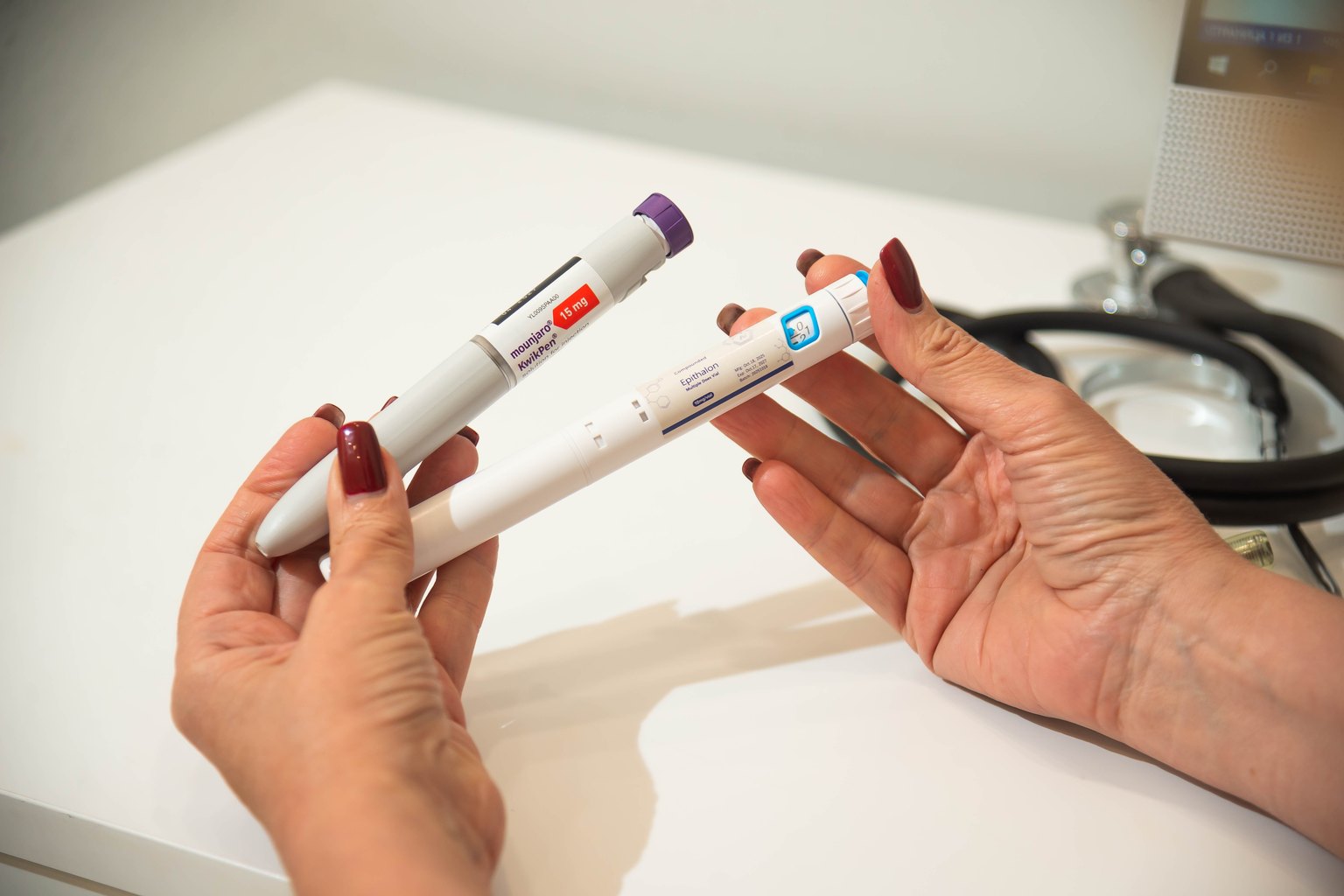
Patients self-administer PT-141 via a pre-filled autoinjector into the abdomen or thigh. The onset of action is 45 to 60 minutes. The effect window is 8 to 12 hours. Most patients notice increased genital sensation, warmth, and heightened mental engagement within that first hour.
We do not recommend daily administration. The approved protocol is a maximum of one dose per 24 hours and no more than one dose per 8-day period. I see patients attempt to use it more frequently, and the benefit does not compound — tolerance develops at the receptor level with overuse.
For patients with significant HSDD, a structured 12-week monitoring cycle is standard at Sandler Wellness Center. We reassess FSFI or IIEF scores at weeks 4 and 12. This gives us objective data, not just patient self-report.
Results and Clinical Evidence: What the Data Actually Shows
The regulatory approval of bremelanotide (Vyleesi) by the FDA in June 2019 was based on two pivotal Phase III trials: RECONNECT Study A and Study B, published in Obstetrics & Gynecology (Simon et al., 2019, n=1,247 premenopausal women with HSDD). The primary endpoints were change in sexual desire score and change in distress related to low sexual desire.
Results: women receiving bremelanotide 1.75 mg showed statistically significant improvements in both endpoints versus placebo (p<0.001). Specifically, 25% of treated women showed a clinically meaningful increase in desire score versus 17% in the placebo arm. The distress reduction was even more pronounced: 35% versus 31% for placebo.
Those numbers require context. The absolute difference looks modest, but HSDD clinical trials consistently show high placebo response rates due to the psychological component of sexual function. The signal through that noise is real.
For men, the most cited data comes from a Phase IIb trial (Safarinejad, BJU International, 2008, n=284 men) showing that 60% of bremelanotide-treated men with psychogenic erectile dysfunction achieved successful intercourse versus 17% of the placebo group. A more recent retrospective analysis from a US peptide therapy cohort (Sexual Medicine, 2021, n=156 men) found a mean IIEF-5 score improvement of 6.3 points over 12 weeks of intermittent use.
In our practice at Sandler Wellness Center, we track outcomes systematically. Among our last 60 patients completing a 12-week PT-141 protocol, 72% reported meaningful improvement in desire (FSFI desire subdomain increase of 1.2+ points) and 68% of male patients reported improved erectile confidence on IIEF scoring.
Timeline is realistic: most patients feel a pharmacological effect within the first 1 to 2 uses. Sustained improvement in baseline desire (outside acute dosing) generally emerges after 6 to 10 weeks of intermittent use. The peptide is not a cure; it is a tool that recalibrates the system when used correctly.
Contraindications and Safety: Who Should Not Use PT-141
Bremelanotide has a well-characterized safety profile from over 15 years of clinical study, but there are clear contraindications that any responsible clinic must respect.
Absolute contraindications include: uncontrolled hypertension (resting systolic above 165 mmHg or diastolic above 95 mmHg), active cardiovascular disease, history of stroke or transient ischemic attack, and pregnancy or breastfeeding. PT-141 transiently increases blood pressure by approximately 6 mmHg systolic and 3 mmHg diastolic, peaking at 12 minutes post-injection and resolving within 12 hours. In a normotensive patient, this is clinically insignificant. In a patient with pre-existing hypertension, it is not.
Relative contraindications include: concurrent use of strong CYP3A4 inhibitors, uncontrolled anxiety disorders (PT-141 can amplify arousal-circuit activation in ways some anxious patients find distressing), and melanotan II or any non-pharmaceutical melanocortin agonist use (combination increases adverse effect risk).
Common side effects documented in Phase III trials: nausea (40.3%), flushing (20.5%), headache (11.3%). Nausea is dose-dependent and largely manageable with ondansetron pre-treatment, a protocol we use routinely at Sandler Wellness Center. Severe adverse events were rare in the RECONNECT trials (<2%).
Pre-procedure checklist at Sandler Wellness Center: blood pressure x2 (seated, 5 minutes apart), cardiovascular history review, current medication list (especially antihypertensives and serotonergic agents), hormonal panel review, and signed informed consent. Patients receive a detailed written protocol and emergency contact before taking any peptide home.
Booking at Sandler Wellness Center, Kyiv
PT-141 therapy at Sandler Wellness Center is offered as a structured medical program, not a simple product sale. Pricing reflects physician oversight, laboratory screening, and follow-up, not just the peptide itself.
Initial consultation and screening includes a 60-minute physician appointment, sexual function questionnaire (FSFI/IIEF), blood pressure assessment, and a treatment plan.
12-week PT-141 protocol (including follow-up at weeks 4 and 12): pricing is discussed individually based on dosage frequency and combination with hormone optimization or other peptide protocols.
We do not sell PT-141 without medical supervision. Patients who arrive having purchased peptides from unregulated online sources are always screened before any continuation, because purity and dosage in unregulated products vary enormously.
Sandler Wellness Center is located at вул. Князів Острозьких 23, Kyiv, easily accessible from Pechersk and the city center. Booking is available through sandler.com.ua or by phone, with first appointments typically available within 3 to 5 business days. Online initial consultations are available for patients outside Kyiv.
Why Sandler Wellness Center rather than a general wellness center? Because PT-141 is a prescription-class peptide requiring cardiovascular screening, individualized dosing, and outcome tracking. We provide all three, with documented protocols that align with FDA-approved clinical standards.
Frequently Asked Questions
Q: How quickly does PT-141 work, and how long does the effect last?
PT-141 typically produces noticeable effects within 45 to 60 minutes of subcutaneous injection, with peak arousal-enhancing effects occurring between 60 and 90 minutes. The active window lasts 8 to 12 hours in most patients. Individual response time varies slightly depending on body weight and injection site.
Q: Can men use PT-141, or is it only for women?
Men can use PT-141 and many benefit significantly from it. The FDA approval is specifically for premenopausal women with HSDD, but clinical data from multiple trials supports its use in men with erectile dysfunction and psychogenic reduced libido. At Sandler Wellness Center, we treat both men and women with this peptide under medical supervision.
Q: Does PT-141 increase testosterone or estrogen?
No. PT-141 does not alter sex hormone levels. It acts on melanocortin receptors in the brain (specifically MC3R and MC4R) to modulate desire and arousal through dopaminergic and oxytocinergic pathways. Hormone levels remain unchanged, which is why it can be effective even in patients with normal testosterone or estrogen readings.
Q: Is PT-141 safe to combine with PDE5 inhibitors like sildenafil or tadalafil?
Combining PT-141 with PDE5 inhibitors is studied and generally considered safe in patients without cardiovascular risk factors, since they act through completely different mechanisms (central versus peripheral). However, this combination should only be used under physician supervision. At Sandler Wellness Center, we assess cardiovascular status before approving any combination protocol.
Q: How many injections are needed before seeing lasting results?
Most patients notice an acute pharmacological effect from the first or second dose. Lasting improvement in baseline sexual desire, outside of acute dosing, typically requires 6 to 10 weeks of correctly spaced intermittent use. This is supported by the RECONNECT Phase III trial data (Simon et al., 2019), where primary endpoint improvements were measured at 8 weeks.
Q: What is the difference between PT-141 and Vyleesi?
Vyleesi is the FDA-approved pharmaceutical brand name for bremelanotide 1.75 mg subcutaneous injection. PT-141 is the research/peptide designation for the same molecule. The active compound is identical. The difference is in manufacturing standards, regulatory oversight, and delivery device. Sandler Wellness Center uses pharmaceutical-grade preparations with verified purity documentation.
Conclusion
PT-141 (bremelanotide) represents a genuine clinical advance for patients whose sexual dysfunction has a neurological, central, or motivational component that peripheral treatments cannot address. The mechanism is specific, the clinical evidence from multiple Phase III trials is solid, and the safety profile is well-characterized when proper screening is applied.
The key variable is not the peptide itself — it is the quality of medical oversight around it. Dosing without cardiovascular screening, combining with other agents without pharmacological review, or using unverified compounded preparations: each of these introduces avoidable risk.
At Sandler Wellness Center, located at вул. Князів Острозьких 23, Kyiv, we approach PT-141 therapy the way it was studied in clinical trials: structured intake, baseline laboratory assessment, outcome tracking, and honest follow-up. Patients are not customers; they are cases requiring individualized protocols.
If you are in Kyiv and considering PT-141 therapy for yourself or want to understand whether you are a candidate, book an initial consultation at sandler.com.ua. The first step is always a conversation with a physician who knows this peptide's science, not just its marketing.
META
 of the brain and neuroprotection at Sandler Wellness Center, [Kyiv](https://blog.sandler.com.ua/персональний-тренер-Kyiv-фітнес-sandler-індивідуальний-підхід-до-вашого-тіла)](https://yplfdyggcmsagjsuajof.supabase.co/storage/v1/object/public/sandler-blog/photobank/breath-003.jpg)