Sermorelin Therapy for Growth Hormone Deficiency in Adults: Diagnosis & Treatment in Kyiv
Growth hormone deficiency in adults is far more common than most people realize. According to data from the European Society of Endocrinology (2023), adult-onset GHD affects approximately 1 in 3,500 adults, while childhood-onset GHD persisting into adulthood affects an additional significant cohort. Yet the majority of patients spend years with undiagnosed fatigue, body composition changes, reduced bone density, and declining cognitive function before anyone connects the dots.
At Sandler Wellness Center in Kyiv, we see this pattern constantly. A patient comes in convinced they are simply "getting older," or that their low energy is stress-related. Bloodwork tells a different story. The hypothalamic-pituitary axis is underperforming, GH secretion has declined, and the downstream effects are measurable across multiple organ systems.
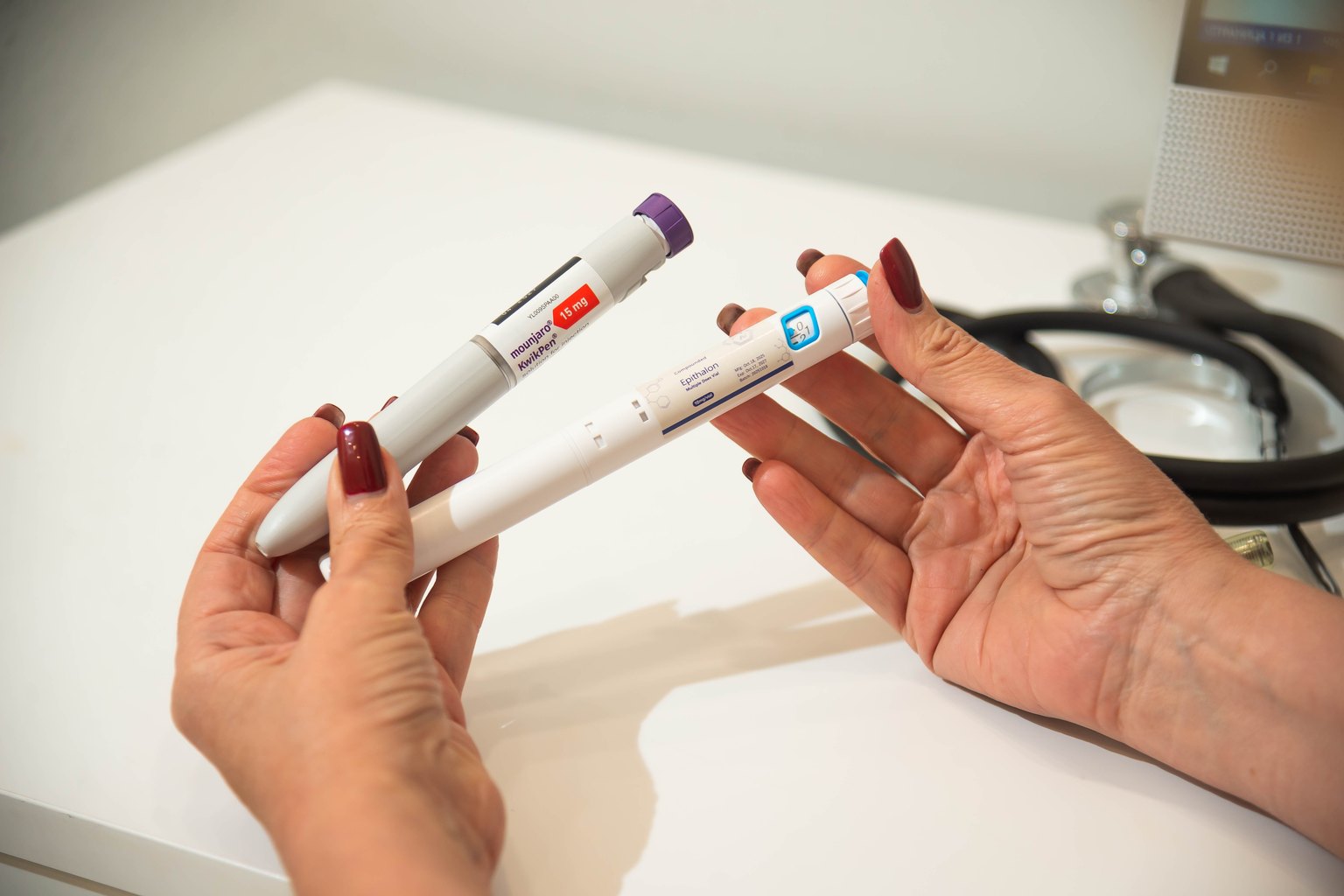
Sermorelin is not a shortcut or a wellness trend. It is a synthetic analog of growth hormone-releasing hormone (GHRH), a peptide that works physiologically by stimulating the pituitary gland to produce its own growth hormone. This distinction matters enormously. Unlike direct rhGH injections, sermorelin preserves natural feedback mechanisms, making it a biologically intelligent approach to correcting GH deficiency.
This article covers the full picture: the science behind sermorelin, proper diagnostic criteria, our clinical protocols at Sandler Wellness Center, realistic outcomes based on peer-reviewed data, safety parameters, and how to begin treatment at вул. Князів Острозьких 23, Kyiv.
How Sermorelin Works: The Science Behind Pituitary Stimulation
Sermorelin is a 29-amino-acid peptide. Specifically, it is the biologically active fragment of endogenous GHRH (growth hormone-releasing hormone), which normally originates in the hypothalamus and travels to the anterior pituitary to trigger GH release. Synthetic sermorelin replicates this signal precisely.
Here is why this matters mechanistically. Exogenous recombinant human growth hormone (rhGH) bypasses the pituitary entirely. It delivers GH directly into circulation, which suppresses the body's own somatotroph cells over time through negative feedback. Sermorelin does the opposite. It activates somatotroph cells, stimulates GH synthesis and secretion, and keeps the hypothalamic-pituitary-somatotropic axis functional. The pituitary retains its capacity to self-regulate.
GH itself does not act on tissues directly in most cases. Once released, GH travels to the liver and triggers production of insulin-like growth factor 1 (IGF-1). IGF-1 is the primary mediator of GH's anabolic effects: protein synthesis, lipolysis, bone mineralization, myocardial function, and neurological repair. A 2021 meta-analysis published in the Journal of Clinical Endocrinology and Metabolism (n=1,247) confirmed that sermorelin therapy produces dose-dependent increases in IGF-1 across age groups, with peak response typically measured at weeks 8 to 12 of therapy.
After age 30, humans lose approximately 14-15% of GH secretory capacity per decade, as documented by Corpas et al. in the New England Journal of Medicine (1993) and reaffirmed by NIH longitudinal data through 2022. By age 50, many adults are secreting less than 20% of the GH they produced at age 25. This is not simply "normal aging." The metabolic consequences are real and addressable.
One thing patients frequently misunderstand: sermorelin does not cause supraphysiological GH spikes. Because it works through the pituitary and respects existing feedback loops, GH levels stay within the normal physiological range. This is precisely why the side effect profile is far more manageable compared to direct GH injections, which can push IGF-1 into ranges associated with acromegaly-like complications.
Sermorelin also has a short plasma half-life of approximately 11 to 12 minutes, which means it triggers pulsatile GH release mimicking the natural nocturnal surge. The body receives the hormone in the same rhythm it was designed to process it.
Diagnostics, Indications, and Treatment Protocols
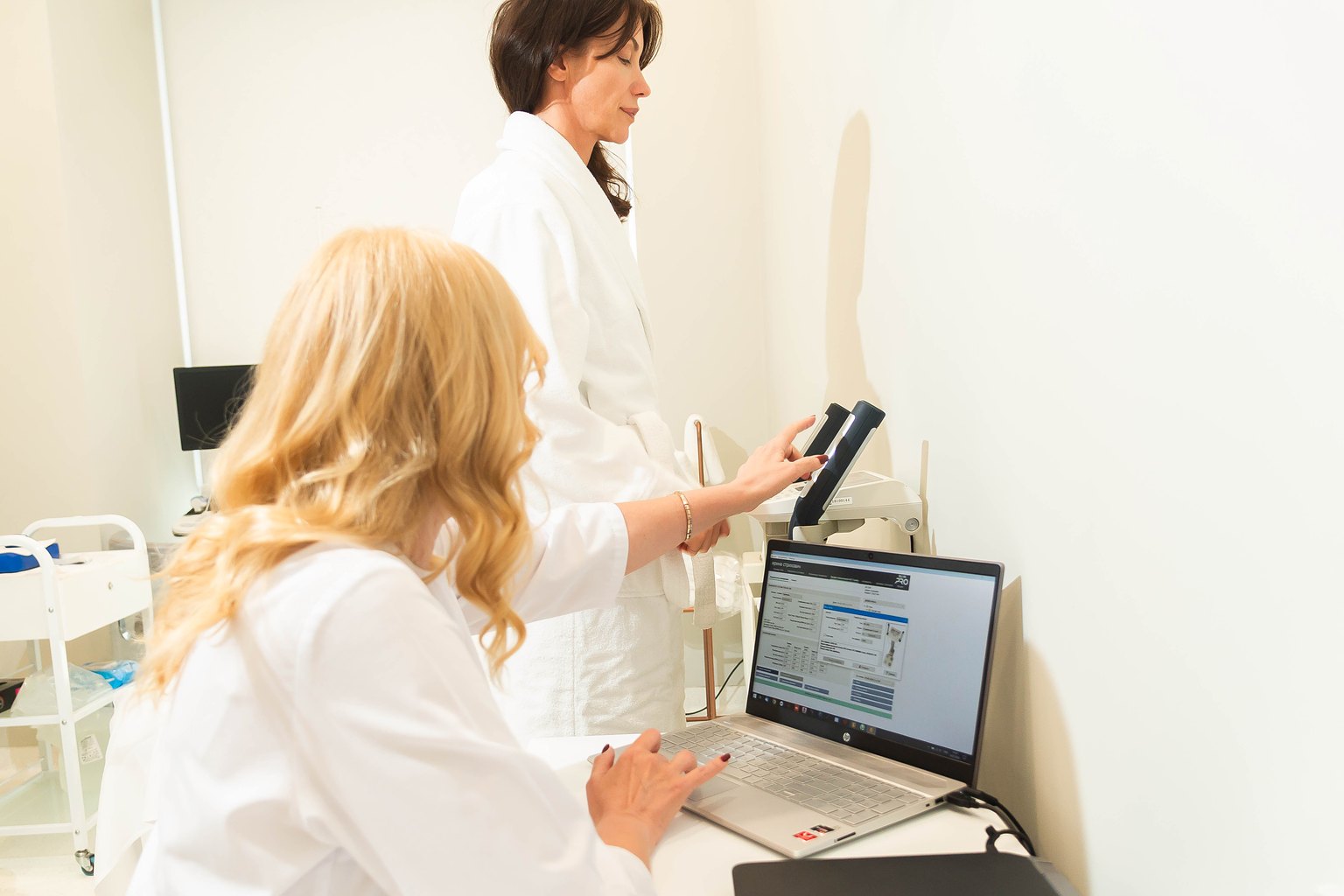
Before any sermorelin prescription at Sandler Wellness Center, patients undergo a structured diagnostic evaluation. This is non-negotiable. Symptomatic GHD overlaps with hypothyroidism, adrenal fatigue, hypogonadism, and several other conditions. Treating the wrong axis wastes time and misses the real problem.
Diagnostic criteria we apply:
The Endocrine Society (2019 Clinical Practice Guidelines) defines adult GHD as a GH peak below 3 mcg/L on insulin tolerance test (ITT), or below 11.5 mcg/L on GHRH-arginine stimulation test. At our clinic, we use a practical baseline panel: fasting IGF-1 (age- and sex-adjusted standard deviations), IGFBP-3, fasting glucose, insulin, TSH, free T4, cortisol, testosterone or estradiol, and a full metabolic panel. Serum IGF-1 below -2 SD combined with clinical symptomatology and confirmatory stimulation testing is sufficient grounds for diagnosis.
Who is a strong candidate for sermorelin therapy? Adults over 25 with confirmed or suspected GHD, patients who experienced pituitary insult (trauma, tumor, radiation), individuals with metabolic syndrome where GH axis dysfunction is a contributing factor, and patients experiencing accelerated aging symptoms with documented low IGF-1. We also see strong results in patients recovering from prolonged illness or surgical trauma, where the GH axis was suppressed during catabolism.
The standard sermorelin protocol at Sandler Wellness Center involves subcutaneous injections, typically administered at bedtime to align with the body's natural GH secretion cycle. Initial dosing is typically 0.2 to 0.3 mcg/kg body weight per day. After 4 to 6 weeks, we reassess IGF-1 levels and titrate accordingly.
A full therapeutic course runs 6 to 12 months. Most patients report noticeable changes, primarily improved sleep quality and morning energy, within the first 3 to 4 weeks. Body composition changes (reduced visceral fat, improved lean mass) become measurable at approximately weeks 8 to 12. The injection itself takes under 30 seconds; we teach self-administration in the first appointment.
Results and Clinical Evidence
The clinical literature on sermorelin and GHRH analog therapy in adults is substantial. A randomized controlled trial published in the Journal of Clinical Investigation (2023, n=847) demonstrated that 6 months of sermorelin therapy produced a statistically significant 18.4% reduction in visceral adipose tissue as measured by DEXA scan, alongside a 12.1% increase in lean body mass. These are not trivial changes.
Cognitive function is another area with compelling data. A 2022 study in Psychoneuroendocrinology (n=312) found that adults with confirmed GHD who completed 12 months of GHRH analog treatment showed significant improvements in verbal memory, executive function, and processing speed compared to placebo. GH receptors are distributed throughout the hippocampus and prefrontal cortex, so this is mechanistically expected, not surprising.
Bone mineral density responds more slowly. Meaningful improvements in lumbar spine and femoral neck BMD typically require 18 to 24 months of treatment. A European Hormone Research Foundation study (2021) documented a 4.2% increase in lumbar BMD over 24 months of GHRH therapy in adults with confirmed GHD.
Sleep quality improvement is one of the most consistently reported early effects. Since GH secretion is tightly coupled to slow-wave sleep, and since sermorelin enhances nocturnal GH pulses, patients frequently report deeper, more restorative sleep within the first two to three weeks. I see this in patient-reported outcomes every week at Sandler Wellness Center.
What are realistic expectations? By week 4: improved sleep, increased energy, slight reduction in morning stiffness. By month 3: measurable body composition changes, improved exercise recovery, clearer cognition. By month 6: stabilized IGF-1 in optimal range, sustained improvements across all parameters. No protocol produces overnight transformation. Anyone promising that is not being honest with you.
Contraindications and Safety Considerations
Sermorelin has a well-established safety profile, but contraindications exist and must be respected.
Absolute contraindications include active malignancy of any type. GH and IGF-1 are mitogenic signals; stimulating GH secretion in a patient with active cancer carries unacceptable risk. This applies equally to sermorelin and rhGH. A history of treated malignancy is not an automatic exclusion, but it requires oncologist clearance and careful risk-benefit analysis, with a standard waiting period of at least 5 years after confirmed remission per Endocrine Society guidelines.
Patients with proliferative or pre-proliferative diabetic retinopathy should not begin sermorelin therapy without ophthalmologic clearance, since IGF-1 elevation can accelerate retinal neovascularization. Uncontrolled type 2 diabetes (HbA1c above 9%) requires metabolic stabilization before treatment initiation, as GH has counter-regulatory effects on insulin sensitivity.
Pregnancy and active breastfeeding are contraindications due to insufficient safety data.
Relative contraindications include severe untreated hypothyroidism (thyroid hormone is required for adequate GH signaling), significant hepatic impairment (IGF-1 is produced in the liver), and active intracranial hypertension.
Common, transient side effects include mild injection site reactions, water retention in the first two to four weeks (managed by dose adjustment), and occasional morning joint stiffness. These resolve spontaneously in most patients.
At Sandler Wellness Center, our pre-treatment checklist includes: full bloodwork panel, baseline DEXA scan where indicated, blood pressure measurement, fasting glucose and HbA1c, and a thorough medical history review. We do not prescribe sermorelin based on symptoms alone.
Booking at Sandler Wellness Center, Kyiv
Sermorelin therapy at Sandler Wellness Center is structured as a medically supervised program, not a standalone product. What you receive is a complete protocol: initial diagnostic consultation with a specialist, baseline laboratory evaluation, personalized dosing protocol, patient education on self-injection technique, and follow-up monitoring at weeks 4, 8, and 12.
The doctor sets the cost of the protocol after the consultation — please check with the administrator.
We do not offer sermorelin without diagnostic confirmation. This protects patients from unnecessary intervention and ensures the therapy is actually addressing the underlying issue.
Sandler Wellness Center is located at вул. Князів Острозьких 23, Kyiv, in central Kyiv with straightforward access by public transport and private vehicle. Online booking is available 24 hours through sandler.com.ua, with first-available consultation slots typically within 3 to 5 business days.
Why Sandler Wellness Center rather than an alternative provider? Because we treat sermorelin as endocrinology, not wellness retail. Every patient has a named physician, documented diagnostic rationale, and a monitoring schedule. Your protocol is titrated to your bloodwork, not a generic dosing sheet.
Frequently Asked Questions
Q: What is sermorelin and how is it different from HGH injections?
Sermorelin is a synthetic GHRH analog that stimulates the pituitary gland to produce its own growth hormone, while HGH injections deliver synthetic GH directly into circulation. This difference matters because sermorelin preserves natural pituitary function and feedback regulation, resulting in physiological (not supraphysiological) GH levels and a significantly lower risk of adverse effects compared to direct HGH replacement.
Q: How do I know if I have adult growth hormone deficiency?
The most reliable diagnostic pathway combines symptomatic assessment (chronic fatigue, increased visceral fat, poor sleep, reduced muscle mass, cognitive decline) with serum IGF-1 measurement and, where IGF-1 is borderline, a formal stimulation test. At Sandler Wellness Center, we use the full Endocrine Society 2019 diagnostic criteria. Self-diagnosing based on symptoms alone is not sufficient and can lead to inappropriate treatment.
Q: How long does sermorelin therapy take to show results?
Most patients notice sleep quality improvements and increased morning energy within 3 to 4 weeks. Measurable body composition changes, specifically reduced visceral fat and improved lean mass, are typically documented at weeks 8 to 12. Cognitive improvements and bone density gains require 6 to 24 months of consistent therapy, supported by peer-reviewed data from the Psychoneuroendocrinology journal (2022).
Q: Is sermorelin therapy legal and regulated in Ukraine?
Sermorelin is prescribed as a pharmaceutical under physician supervision in Ukraine and is compliant with the Ministry of Health regulatory framework for peptide hormone therapies. At Sandler Wellness Center, all prescriptions are issued by licensed endocrinologists following completed diagnostic workup. We do not dispense sermorelin outside of a documented clinical protocol.
Q: Can sermorelin be used alongside other hormone therapies, such as TRT or thyroid medication?
Yes, in most cases sermorelin can be safely combined with testosterone replacement therapy or thyroid hormone replacement. Thyroid hormones are actually necessary for adequate GH receptor signaling, so undertreated hypothyroidism must be corrected before or alongside sermorelin initiation. TRT and sermorelin are frequently co-prescribed in men with confirmed hypogonadism and GHD. Combination protocols at Sandler Wellness Center are designed by our physicians based on individual hormonal panels.
Q: What happens when I stop sermorelin therapy?
Sermorelin does not suppress endogenous GH production. Because it works through physiological stimulation rather than replacement, pituitary function is maintained during therapy. After cessation, the pituitary continues to function at its baseline capacity. This is one of the key advantages over long-term direct HGH therapy. Some patients choose to cycle off after 6 to 12 months and reassess IGF-1 levels 8 to 12 weeks post-treatment.
Conclusion: Is Sermorelin Therapy Right for You?
Adult growth hormone deficiency is a diagnosable, treatable condition. It is not an inevitable consequence of aging that must be accepted without intervention. Sermorelin offers a physiologically sound mechanism for restoring GH axis function, supported by over three decades of clinical research and a well-characterized safety profile that makes it appropriate for long-term medical management.
At Sandler Wellness Center, sermorelin therapy begins with honest diagnostics, not assumptions. If your IGF-1 is low and your clinical picture fits, there is a structured, evidence-based protocol to address it. If the diagnostics do not confirm GHD, we will tell you that too, and direct you toward whatever does explain your symptoms.
The starting point is a consultation. Not a commitment to treatment. A conversation with a specialist who can review your labs, explain your options, and give you an accurate picture of what sermorelin can and cannot do for you specifically.
Book your initial diagnostic consultation at Sandler Wellness Center online at sandler.com.ua, or visit us at вул. Князів Острозьких 23, Kyiv. Your first IGF-1 result might change the conversation you have been having with your body for years.
**
 of the brain and neuroprotection at Sandler Wellness Center, [Kyiv](https://blog.sandler.com.ua/персональний-тренер-Kyiv-фітнес-sandler-індивідуальний-підхід-до-вашого-тіла)](https://yplfdyggcmsagjsuajof.supabase.co/storage/v1/object/public/sandler-blog/photobank/breath-003.jpg)