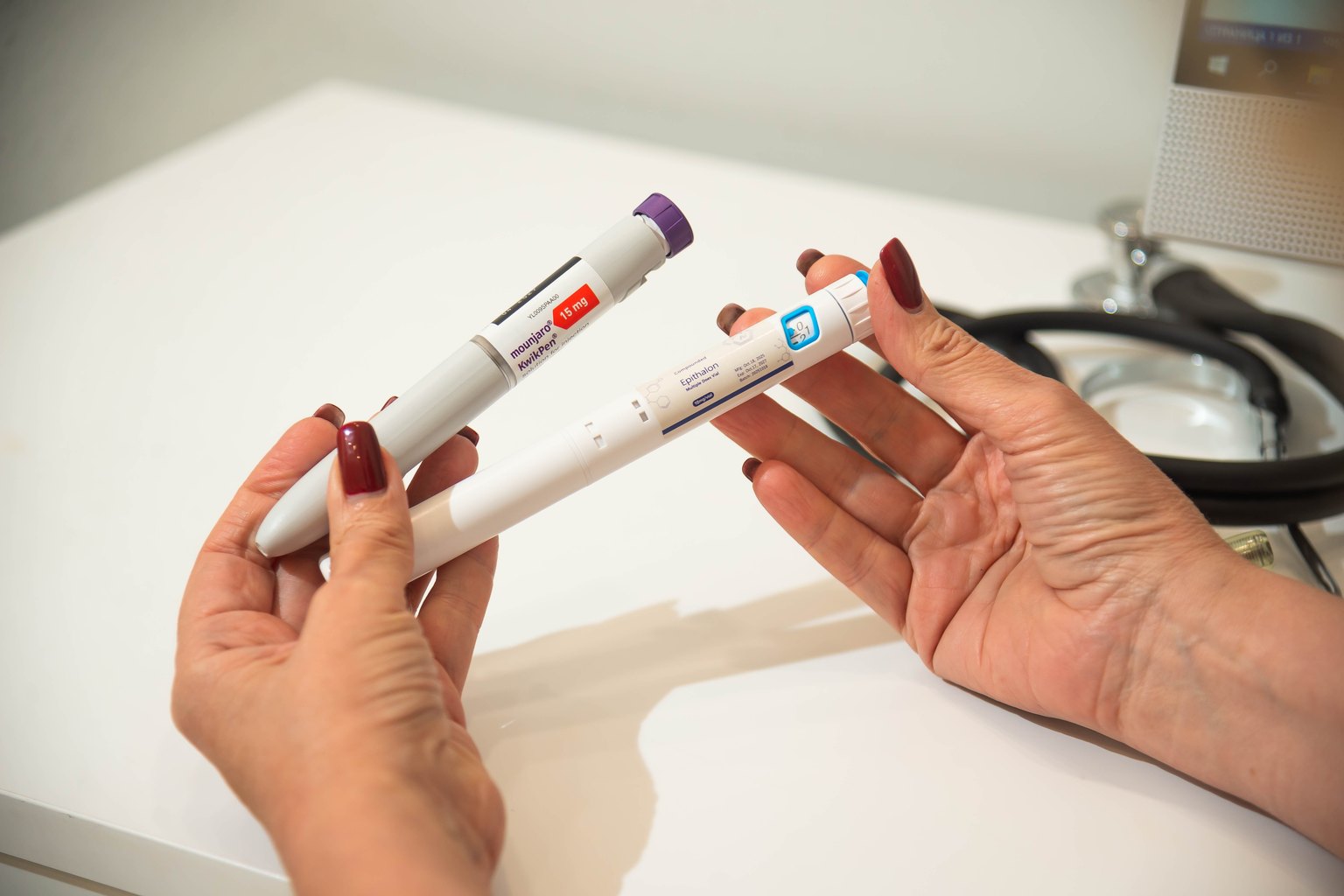
Tesamorelin for Visceral Fat Reduction: Clinical Data, Protocols & Where to Get It in Kyiv
Visceral fat is not just an aesthetic problem. It wraps around your liver, pancreas, and intestines, secreting inflammatory cytokines that quietly accelerate insulin resistance, cardiovascular disease, and metabolic syndrome. Patients come to Sandler Wellness Center having already tried caloric restriction and training protocols, yet their waist circumference and liver ultrasound findings barely budge. The reason is often hormonal: declining growth hormone (GH) secretion with age directly impairs visceral adipose tissue (VAT) mobilization, no matter how disciplined the lifestyle.
Tesamorelin is a synthetic analogue of growth hormone-releasing hormone (GHRH). It does not inject exogenous GH into your system. Instead, it stimulates the pituitary to release GH in its own natural, pulsatile rhythm. That mechanistic difference matters enormously for safety and for clinical outcomes. In the landmark Phase III trial published in the New England Journal of Medicine (Falutz et al., 2010, n=412), tesamorelin reduced visceral adipose tissue by a mean of 15–18% versus 5% in the placebo group over 26 weeks.
At Sandler Wellness Center in Kyiv, we prescribe tesamorelin as part of individualized metabolic protocols, backed by baseline lab panels, body composition analysis, and ongoing monitoring. This is not a supplement. It is a prescription-grade peptide with a defined mechanism, published efficacy data, and a clear safety profile that every patient deserves to understand before starting.
How Tesamorelin Works: The GH Axis, Visceral Fat Metabolism, and Why This Peptide Is Different
Tesamorelin is a 44-amino-acid GHRH analogue stabilized by a trans-3-hexenoic acid modification at the N-terminus. That small structural change dramatically extends its half-life compared to native GHRH (approximately 30 minutes in circulation versus under 7 minutes for endogenous GHRH, per pharmacokinetic data from EMD Serono, 2010).
When tesamorelin binds to GHRH receptors in the anterior pituitary, it triggers a downstream cascade: increased cAMP production, activation of protein kinase A, and ultimately pulsatile GH secretion. That GH pulse then stimulates hepatic and peripheral IGF-1 production. Here is where the fat-burning mechanism becomes specific to visceral depots.
Visceral adipocytes express significantly higher densities of GH receptors compared to subcutaneous fat cells (Rask-Madsen et al., Journal of Clinical Investigation, 2006). When GH rises, it activates hormone-sensitive lipase specifically in visceral tissue, triggering lipolysis of triglycerides stored in omental and mesenteric fat. Subcutaneous fat is far less sensitive to this effect. This receptor distribution explains why tesamorelin produces preferential visceral fat reduction without causing the generalized lipolysis, fluid retention, or edema associated with supraphysiologic exogenous GH doses.
A critical myth to address: many patients (and some clinicians) conflate tesamorelin with synthetic HGH therapy. They are fundamentally different. Exogenous GH bypasses pituitary feedback entirely, suppresses endogenous production over time, and carries documented risks including acromegaly features, carpal tunnel syndrome, and glucose dysregulation at pharmacologic doses. Tesamorelin preserves the normal hypothalamic-pituitary feedback loop. GH levels rise physiologically, remain subject to somatostatin suppression when appropriate, and return to baseline if the peptide is discontinued. The FDA approved tesamorelin (brand name Egrifta) specifically for HIV-associated lipodystrophy in 2010, with post-marketing data now spanning over a decade.
Beyond fat reduction, patients at our clinic consistently report secondary improvements in sleep quality, exercise recovery speed, and lean mass preservation. These are downstream IGF-1 effects. A secondary analysis from the Falutz 2010 trial showed triglyceride reduction of 50 mg/dL on average and meaningful improvements in the triglyceride/HDL ratio, a core marker of insulin resistance and cardiovascular risk.
Indications, Protocols & Dosage at Sandler Wellness Center
Tesamorelin is appropriate for a specific metabolic profile, not for everyone seeking weight loss. At Sandler Wellness Center, we consider it for patients who meet several criteria simultaneously.
The primary indication is elevated visceral adipose tissue confirmed by either abdominal CT, DEXA scan with VAT estimation, or validated circumference measurements combined with metabolic markers (fasting insulin above 10 µIU/mL, HOMA-IR above 2.5, or elevated visceral fat grade on ultrasound). The ideal candidate is typically aged 35–65, with relative GH deficiency confirmed by low IGF-1 for age on a standard serum panel.
Secondary indications include HIV-associated lipodystrophy (the FDA-approved indication), metabolic syndrome with central obesity refractory to lifestyle modification, and age-related somatopause where GH secretion has declined measurably.
Standard protocol we use:
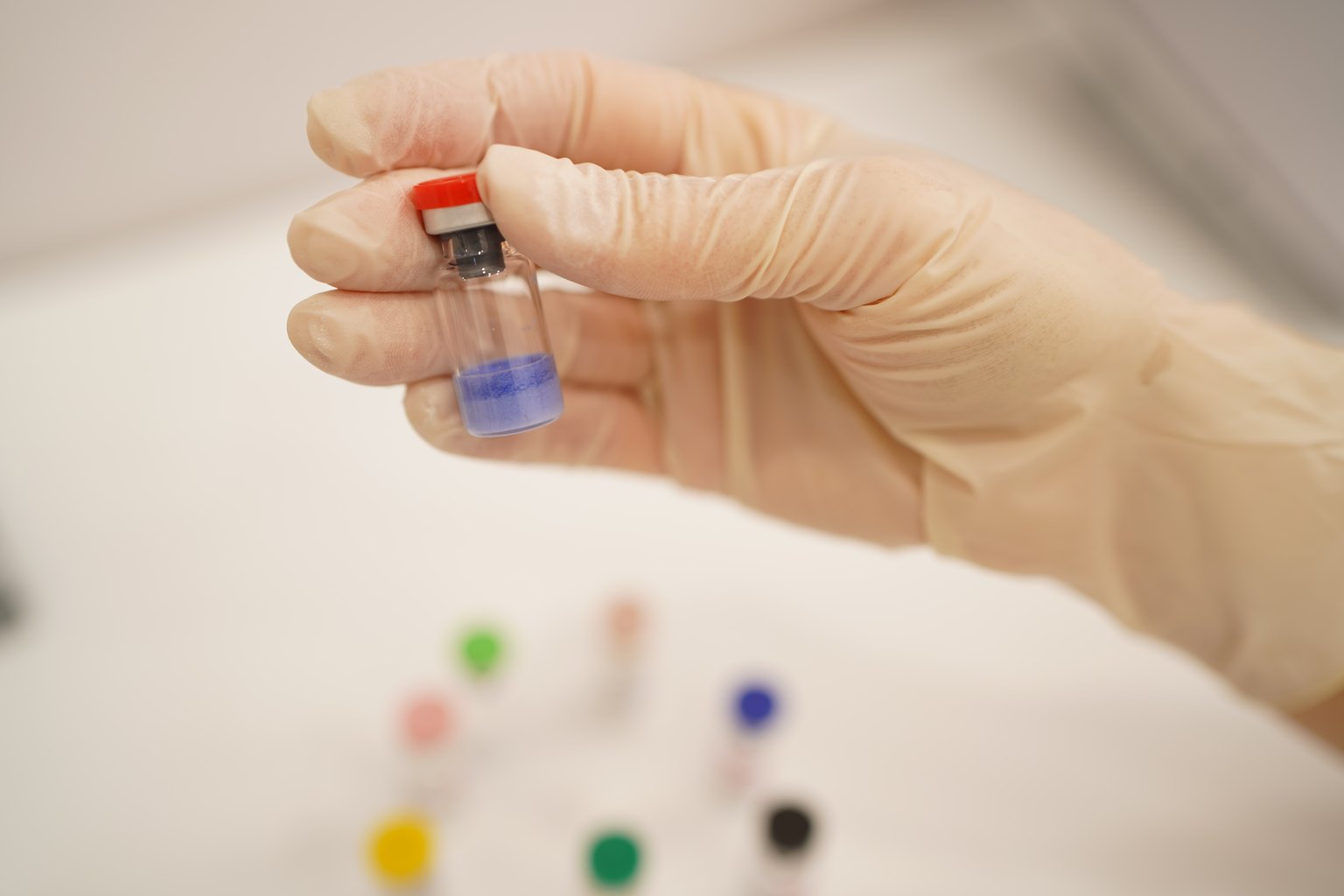
The clinically validated dose is 2 mg subcutaneous injection once daily, administered in the periumbilical region. Injection timing: evening, approximately 30–60 minutes before sleep, to align with the natural nocturnal GH pulse. Patients self-administer after a single training session in our clinic. The reconstitution process takes under two minutes once learned.
Course length follows the trial evidence. Meaningful VAT reduction requires minimum 12 weeks; the optimal response window is 26 weeks based on the Falutz 2010 data. Some metabolic patients benefit from a 26-week course followed by an 8-week washout, then reassessment. We do not recommend indefinite continuous use without periodic breaks and re-evaluation.
Before starting, every Sandler Wellness Center patient completes: fasting glucose and insulin, HbA1c, IGF-1, complete metabolic panel, thyroid panel (fT3, fT4, TSH), and a baseline body composition assessment. We repeat IGF-1 at week 6 to titrate and confirm appropriate pituitary response, then full labs at protocol completion.
The patient experience is straightforward. Mild injection site redness resolves within hours. Most patients notice improved sleep architecture within weeks 2–4. Measurable waist circumference reduction is typically visible by week 8–10. Full metabolic results are assessed at week 26.
Results & Clinical Evidence: What the Data Actually Shows
The evidence base for tesamorelin is unusually strong for a peptide protocol. Most GHRH analogues have limited Phase III data. Tesamorelin has two completed Phase III trials, both published in peer-reviewed journals, plus long-term extension data.
Falutz et al. (New England Journal of Medicine, 2010, n=412): tesamorelin 2 mg/day for 26 weeks reduced visceral adipose tissue by 17.8% from baseline versus 2.4% in placebo (p<0.001). The effect was consistent across BMI subgroups. Triglycerides fell by a mean of 50.2 mg/dL in the tesamorelin group.
The extension data from Falutz et al. (Annals of Internal Medicine, 2008, n=295): patients who continued tesamorelin for a full 52 weeks maintained VAT reduction. Patients switched to placebo at week 26 showed partial VAT rebound by week 52, confirming the peptide must be cycled thoughtfully rather than abruptly stopped without lifestyle anchoring.
Stanley et al. (Journal of Clinical Endocrinology & Metabolism, 2012): in a metabolically healthy but GH-deficient cohort (not HIV-positive), tesamorelin produced similar VAT reductions (15.4%) with improvements in lipid profiles and no significant adverse glycemic effects when baseline glucose was normal.
In our clinic, patients completing a full 26-week protocol show an average waist circumference reduction of 4–7 cm, with the strongest responders (typically lower baseline IGF-1, higher starting VAT) achieving 10 cm reductions. We track these outcomes with serial measurements and post-protocol DEXA where available. Realistic expectations matter. Tesamorelin does not replace nutrition discipline or activity. It removes a hormonal bottleneck that was preventing the results lifestyle changes alone could not deliver.
Contraindications & Safety: Who Should Not Use Tesamorelin
Honest patient selection is non-negotiable. Tesamorelin is contraindicated in specific situations, and at Sandler Wellness Center we screen for each of these before prescribing.
Absolute contraindications: active malignancy or history of malignancy (IGF-1 elevation is a theoretical tumor growth concern, though no causal relationship has been demonstrated in approved dose ranges), known hypersensitivity to tesamorelin or mannitol excipient, pituitary tumor or structural hypothalamic disease, pregnancy and breastfeeding.
Relative contraindications requiring physician judgment: type 2 diabetes with poor glycemic control (HbA1c above 8.0%): tesamorelin can cause mild, transient glucose elevation via GH-mediated insulin antagonism. In the Falutz 2010 trial, fasting glucose rose by 4–8 mg/dL on average, a clinically small change in most patients, but one requiring monitoring in diabetics. Patients with pre-existing carpal tunnel syndrome should be monitored, as fluid shifts from IGF-1 rise can transiently worsen symptoms. Severe hypothyroidism must be corrected before starting, since GH secretion is partially thyroid-dependent.
Common side effects (reported in >5% of trial participants): injection site erythema (45%), arthralgia (20%), peripheral edema (12%), usually mild and resolving without dose reduction.
Safety monitoring protocol at Sandler Wellness Center includes IGF-1 at week 6 (target: upper quartile of age-normal range, not supraphysiologic), fasting glucose at weeks 8 and 16, and a full panel at protocol end. We do not aim to push IGF-1 above age-appropriate normal limits.
Pricing & Booking at Sandler Wellness Center, Kyiv
Sandler Wellness Center is located at вул. Князів Острозьких 23, Kyiv. Our tesamorelin metabolic protocols are prescription-based and begin with a mandatory physician consultation that includes full case history review, physical assessment, and interpretation of your existing labs or a fresh panel ordered through us.
Consultation and initial protocol design: included in the program cost. We do not separate the diagnostic workup from the treatment plan. You receive a complete metabolic assessment, baseline body composition measurement, and a personalized protocol document.
Full 26-week tesamorelin protocol: pricing is discussed individually based on your specific monitoring needs, peptide source verification, and frequency of follow-up visits. Patients requiring more frequent glucose monitoring or who start with more complex metabolic profiles have slightly different oversight requirements.
What separates Sandler Wellness Center from generic peptide providers: every protocol is physician-supervised with board-certified oversight, every vial sourced from verified pharmaceutical-grade suppliers (purity certificates available on request), and every patient receives structured check-in appointments at weeks 6, 12, and 26. We do not hand you peptides and send you home.
To book your initial consultation, visit sandler.com.ua or call the clinic directly. The intake process takes approximately 72 hours from first contact to first appointment. Patients coming from outside Kyiv are accommodated with a telemedicine intake option, with in-person visits required for physical assessment and injection training.
Sandler Wellness Center at вул. Князів Острозьких 23, Kyiv operates Monday through Saturday.
Frequently Asked Questions
Q: How quickly does tesamorelin reduce visceral fat?
Tesamorelin begins reducing visceral adipose tissue within 8–12 weeks of daily 2 mg subcutaneous injection, with statistically significant VAT reduction of 15–18% measured at the 26-week mark in Phase III trials. Most patients notice measurable waist circumference change around week 8–10. The full metabolic benefit, including lipid improvements, is captured at 26 weeks.
Q: Is tesamorelin the same as HGH injections?
No. Tesamorelin is a growth hormone-releasing hormone analogue that stimulates your own pituitary to secrete GH naturally. Exogenous HGH bypasses this regulation entirely, suppresses endogenous production, and carries significantly higher risks at therapeutic doses. Tesamorelin preserves normal pituitary feedback and is subject to somatostatin regulation, making the safety profile fundamentally different.
Q: Can tesamorelin cause diabetes or worsen blood sugar?
In the Falutz 2010 Phase III trial (n=412), tesamorelin caused a mean fasting glucose increase of 4–8 mg/dL, which is small and clinically relevant mainly for patients with pre-existing diabetes or impaired fasting glucose. At Sandler Wellness Center, all patients receive baseline and monitoring glucose/HbA1c panels. Patients with HbA1c above 8.0% are not started on this protocol until glycemic control improves.
Q: Who is the ideal candidate for tesamorelin therapy?
The ideal candidate is 35–65 years old, has confirmed visceral fat excess (elevated waist circumference, HOMA-IR above 2.5, or imaging-confirmed VAT), has low-normal or below-normal IGF-1 for their age, and has not achieved adequate visceral fat reduction through lifestyle intervention alone. Patients with active malignancy, pituitary tumors, or pregnancy are excluded.
Q: How long do tesamorelin results last after stopping?
Clinical trial data shows that VAT reduction is maintained during treatment but partially reverses after discontinuation. The Falutz 2008 extension trial showed that patients switched to placebo at week 26 regained approximately 40–50% of their VAT reduction by week 52. This is why our protocols at Sandler Wellness Center include structured lifestyle anchoring during treatment and reassessment for potential repeat cycles after an 8-week washout.
Q: Is tesamorelin available in Ukraine and is it legal?
Tesamorelin is a prescription peptide. At Sandler Wellness Center, it is prescribed and administered within a physician-supervised protocol following established clinical guidelines. Patients receive treatment under direct medical oversight, not as an over-the-counter supplement. Sourcing and compliance details are reviewed at your initial consultation.
Conclusion
Visceral fat reduction through tesamorelin is one of the few peptide interventions with genuine Phase III evidence behind it. A 15–18% VAT reduction in 26 weeks, consistent lipid improvements, and a safety profile that preserves normal pituitary function: these are not marketing claims, they are published outcomes from controlled trials with hundreds of participants.
The key is proper patient selection and physician-supervised execution. Tesamorelin for visceral fat reduction works best when combined with metabolic baseline assessment, ongoing monitoring, and realistic expectations about what a hormonal protocol can and cannot do alone.
At Sandler Wellness Center in Kyiv, our approach to tesamorelin protocols is built on this evidence base. Every patient starts with diagnostics, proceeds through a structured 26-week course with defined monitoring checkpoints, and finishes with a post-protocol reassessment that guides next steps.
If you have been working on visceral fat through diet and exercise without the results your effort deserves, a hormonal bottleneck may be what is holding you back. Book your initial consultation at sandler.com.ua or visit us at вул. Князів Острозьких 23, Kyiv, and find out whether tesamorelin is the right tool for your metabolic profile.
META
 of the brain and neuroprotection at Sandler Wellness Center, [Kyiv](https://blog.sandler.com.ua/персональний-тренер-Kyiv-фітнес-sandler-індивідуальний-підхід-до-вашого-тіла)](https://yplfdyggcmsagjsuajof.supabase.co/storage/v1/object/public/sandler-blog/photobank/breath-003.jpg)