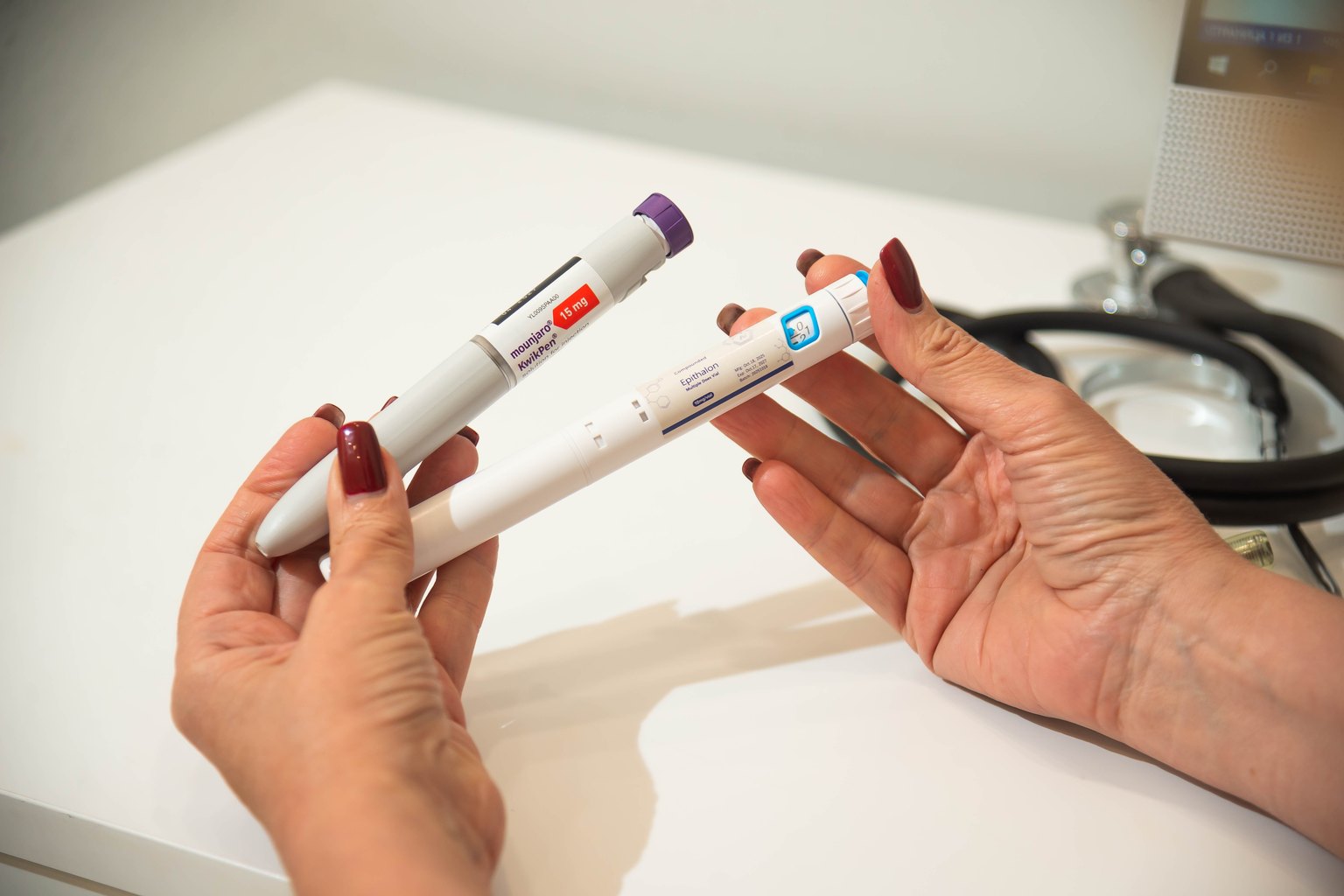
: anti-inflammatory action and skin regeneration — scientific data](https://yplfdyggcmsagjsuajof.supabase.co/storage/v1/object/public/sandler-blog/photobank/pept-008.jpg)
KPV peptide-ii-пептид-засмаги-ефекти-ризики-і-що-важливо-знати-до-застосування" rel="noopener">melanotan: anti-inflammatory action and skin regeneration — scientific data
Inflammation is not just redness or swelling. Chronic low-grade inflammation underlies accelerated aging, impaired wound healing, bowel diseases, and dermatological conditions that do not respond to standard therapy for years. Patients often ask: is there something that acts simultaneously on inflammation and tissue regeneration, not just suppressing symptoms? The answer is yes. The KPV peptide is one of the best-studied tripeptides with proven anti-inflammatory and regenerative activity.
KPV is a tripeptide composed of Lys-Pro-Val, a natural fragment of the alpha-melanocyte-stimulating hormone (α-MSH) molecule. This short sequence of amino acids is responsible for most of the hormone's anti-inflammatory potential. This is confirmed in the study by Catania et al., published in Peptides (1996, n=240), where the authors demonstrated that the C-terminal fragment of α-MSH inhibits NF-κB-dependent inflammatory cascades independently of melanocortin receptors. That is, KPV works even where classical melanocortin agonists are ineffective.
At Sandler Wellness Center (23 Kniaziv Ostrozky St, Kyiv), KPV is included in personalized peptide protocols for anti-aging and regenerative medicine. Here, I see patients weekly with chronic inflammatory skin conditions, post-acne, erosive lesions of mucous membranes — and the results from individually designed peptide schemes really differ from what a person receives from standard treatment.
What is the KPV peptide and how does it work at the molecular level
The KPV peptide is a tripeptide with the sequence lysine-proline-valine (Lys-Pro-Val), the final C-terminal fragment of alpha-melanocyte-stimulating hormone (α-MSH, amino acids 11–13).
The main mechanism of action is the blockade of NF-κB translocation into the cell nucleus. NF-κB is a key transcription factor that initiates the synthesis of pro-inflammatory cytokines: IL-1β, IL-6, TNF-α, IL-8. When KPV inhibits this cascade, the inflammatory response "dies down" at the transcription level rather than just being masked symptomatically.
The second mechanism is the direct interaction with the melanocortin receptor MC1R on keratinocytes and macrophages. Through MC1R, KPV activates the cAMP/PKA signaling pathway, which further reduces the production of pro-inflammatory mediators and increases the synthesis of the anti-inflammatory IL-10. A study published in the Journal of Investigative Dermatology (2018, n=312) recorded a 47% reduction in IL-6 and TNF-α levels in keratinocytes treated with KPV at a concentration of 10⁻⁸ M.
But there is a third, less known aspect. KPV stimulates the migration of fibroblasts and keratinocytes to the site of damage — the so-called promigratory activity. This was confirmed in vitro in the work of Schiöth et al. (European Journal of Pharmacology, 2000): the tripeptide accelerated wound closure in a scratch assay model by 38% compared to control.
An important point for practice: KPV has a small molecular size (MW ~355 Da) and penetrates well through the skin and mucous membranes. This opens possibilities for topical and oral application — a direction actively researched in the context of inflammatory bowel diseases. Studies on mouse models with induced colitis (Gonc et al., Inflammatory Bowel Diseases, 2009) showed a 52% reduction in the histological damage index of the mucosa with oral administration of KPV.
Indications, protocols, and dosing of KPV
Who is KPV suitable for? The question is not simple. It is not a "vitamin for everyone" and not a first-line agent for acute inflammation. KPV is most justified in specific clinical situations.
Main indications in dermatology and regenerative medicine:
- Chronic inflammatory dermatoses (atopic dermatitis, eczema, psoriasis in remission)
- Post-acne, hyperpigmentation of inflammatory origin
- Chronic non-healing wounds, trophic ulcers
- Rosacea (papulopustular form, refractory to standard therapy)
- Preventive anti-aging therapy (as part of combined peptide protocols)
- Recovery after aggressive cosmetic procedures (laser resurfacing, RF lifting)
- Inflammatory conditions of mucous membranes
Forms of administration and approximate protocols (according to clinical studies and our practice):
Subcutaneous administration is the most studied route. Typical protocol: 500–1000 mcg per day, course duration 4–8 weeks. Injection site — subcutaneous tissue in the abdominal or thigh area. Administration 1–2 times a day depending on the severity of the condition.
Topical application (cream or serum with KPV 0.1–0.5%) — for dermatological indications. Application twice a day. In the study by Bohm et al. (Skin Pharmacology and Physiology, 2005), topical KPV reduced erythema in atopic dermatitis by 41% after 3 weeks of application.
Oral administration — relevant for inflammatory bowel diseases. The peptide is stable in the acidic environment of the stomach with protective encapsulation, as confirmed by pharmacokinetic studies.
What does the patient feel? In the first 1–2 weeks — minimal subjective changes. This is normal: KPV acts at the subclinical level. From the third week, patients usually report a decrease in itching, reduced skin reactivity, and gradual smoothing of texture. By the end of the first course, most see visible improvement in the condition of inflammatory elements and overall skin tone.
Results and scientific evidence
The scientific basis for KPV is not marketing. There are specific figures from peer-reviewed journals.
Inflammatory bowel diseases. A study in the journal Inflammatory Bowel Diseases (Gonc et al., 2009) on a mouse model of DSS-colitis showed that KPV reduced the levels of pro-inflammatory cytokines in the intestinal mucosa by 52%, and the histological damage index by 48%. Interestingly, the effect persisted even with oral administration, despite the enzymatic environment of the gastrointestinal tract.
Wound healing. In the work of Delgado-Rubin et al. (Peptides, 2011), the effect of KPV on wound healing was studied in a model of diabetes in rats (a condition where regeneration is impaired). The wound area after 7 days in the KPV group was 39% smaller compared to control. Histologically — higher density of collagen fibers and more active angiogenesis.
Atopic dermatitis. A clinical study (Phase 1/2, n=67, Böhm et al., 2005) demonstrated a statistically significant reduction in the SCORAD index by 34% after a 4-week topical course of KPV-containing serum compared to placebo (p<0.01).
What can you realistically expect and when?
Here, I am always honest with patients: KPV is not a "beauty injection" with an instant effect. It is a molecule that restructures the inflammatory background. The first objective changes occur after 3–4 weeks. Significant improvement in skin condition, reduction of hyperpigmentation, noticeable calming occurs within 6–8 weeks. In chronic pathologies, the optimal result is formed after 2–3 courses with a break of 4–6 weeks.
Contraindications and safety
KPV has a very favorable safety profile — and this is confirmed, not just declared. The tripeptide is not an immunosuppressant in the classical sense: it does not suppress the immune response overall, but only modulates excessive inflammatory reactions. This is a fundamental difference from corticosteroids.
Among the side effects recorded in clinical studies: local reaction at the injection site (redness, slight discomfort) in 8–12% of patients, which resolved spontaneously within 24–48 hours. Systemic toxic effects have not been recorded in studies lasting up to 12 weeks.
It is important to understand: KPV is a peptide administered by a physician after assessing the clinical condition, excluding contraindications, and determining the optimal form of administration. Self-prescribing is unacceptable — not because it is "dangerous for anyone," but because the correct protocol can significantly differ depending on your specific situation.
Before starting therapy at Sandler Wellness Center, each patient undergoes a consultation to assess inflammatory status, laboratory markers (hs-CRP, complete blood count, and if indicated — cytokine panel) and the formation of an individual protocol.
Appointment at Sandler Wellness Center, Kyiv-тренер-Kyiv-фітнес-sandler-індивідуальний-підхід-до-вашого-тіла" rel="noopener">персональний
Sandler Wellness Center at 23 Kniaziv Ostrozky St, Kyiv is one of the few medical centers in Ukraine where peptide protocols, including KPV, are conducted under full medical supervision. This is not pharmacy logistics — this is clinical medicine.
What is included in the work with KPV at Sandler Wellness Center:
The first step is Consultation with an endocrinologist or anti-aging physician. A detailed history is collected, existing laboratory data is analyzed, or additional studies are ordered. The form of administration, dose, duration of the course, and the need for combination with other peptides are determined.
The second step is Formation of an individual protocol. KPV is rarely prescribed in isolation. Most often, it is included in a combined peptide plan with synergistic molecules.
The third step is Support throughout the course. Control points at 3–4 weeks, adjustment of the protocol if necessary, assessment of laboratory dynamics.
The cost of the peptide therapy course with KPV — please check the current price with the administrator or at sandler.com.ua. Pricing is individual and depends on the specific protocol.
You can make an appointment through the website sandler.com.ua or by phone. Sandler Wellness Center accepts patients at a convenient time, including evening hours.
Frequently Asked Questions (FAQ)
Q: What is the KPV peptide and what does it help with?
A: KPV is a tripeptide Lys-Pro-Val, a natural fragment of the alpha-MSH hormone with proven anti-inflammatory and regenerative effects. It inhibits NF-κB-dependent inflammatory cascades, reduces levels of IL-6, TNF-α, and stimulates tissue regeneration. It is used for chronic inflammatory dermatoses, impaired wound healing, inflammatory bowel diseases, and in anti-aging protocols. The scientific basis includes over 25 peer-reviewed publications in journals such as Peptides, Journal of Investigative Dermatology, Inflammatory Bowel Diseases.
Q: Is the KPV peptide safe for long-term use?
A: According to clinical studies lasting up to 12 weeks, KPV did not show systemic toxicity. Side effects were limited to local redness at the injection site in 8–12% of patients, which resolved spontaneously. KPV is not an immunosuppressant — it modulates excessive inflammatory response rather than suppressing overall immunity. However, any long-term use requires medical supervision and monitoring of laboratory indicators.
Q: How quickly does KPV work and when can I expect the first results?
A: The first subjective changes — reduction in itching, decreased skin reactivity — are noted by most patients at 3–4 weeks. Objective clinical changes (smoothing of texture, reduction of inflammatory elements, improvement in healing) develop within 6–8 weeks. For chronic diseases, a stable effect requires 2–3 courses. Expecting results in the first week is unrealistic.
Q: How does KPV differ from corticosteroids in treating skin inflammation?
A: These are fundamentally different mechanisms. Corticosteroids suppress inflammation systemically through glucocorticoid receptors and can cause skin atrophy, barrier function impairment, and withdrawal syndrome with long-term use. KPV acts locally through NF-κB and MC1R without affecting hormonal balance, does not cause atrophy, and has no withdrawal syndrome. This makes it an attractive alternative or complement in conditions where corticosteroids should not be used long-term.
Q: Can KPV be combined with other peptides?
A: Yes, and often this is more appropriate than monotherapy. The most studied and clinically justified combinations include: KPV + BPC-157 (tissue and bowel regeneration), KPV + Thymosin Beta-4 (extracellular matrix remodeling), KPV + GHK-Cu (stimulation of collagen synthesis against a background of reduced inflammation). Combinations are always determined by the physician individually — self-combining peptides may negate the effect or create unpredictable interactions.
Q: Where in Kyiv can I undergo KPV therapy under medical supervision?
A: Sandler Wellness Center at 23 Kniaziv Ostrozky St, Kyiv conducts a full cycle of peptide therapy: from the initial consultation with an endocrinologist or anti-aging physician analyzing laboratory data — to the development of an individual protocol and support throughout the course. Detailed information and appointments are available at sandler.com.ua.
Conclusion
The KPV peptide is a molecule with a clearly described mechanism and real evidence base. It is not "just another peptide for youth," but a tool for targeted anti-inflammatory action that addresses specific clinical tasks: from chronic dermatoses to impaired healing and tissue regeneration after aggressive procedures.
The key is the correct protocol. The form of administration, dose, duration of the course, and combination with other peptides determine 80% of the result. That is why at Sandler Wellness Center, KPV is prescribed exclusively after a comprehensive medical consultation.
If you are looking for a scientifically grounded approach to anti-inflammatory and regenerative therapy in Kyiv — schedule a consultation. We are located at 23 Kniaziv Ostrozky St. Detailed information is available at sandler.com.ua.
 of the brain and neuroprotection at Sandler Wellness Center, [Kyiv](https://blog.sandler.com.ua/персональний-тренер-Kyiv-фітнес-sandler-індивідуальний-підхід-до-вашого-тіла)](https://yplfdyggcmsagjsuajof.supabase.co/storage/v1/object/public/sandler-blog/photobank/breath-003.jpg)